
Clear records
history record

News
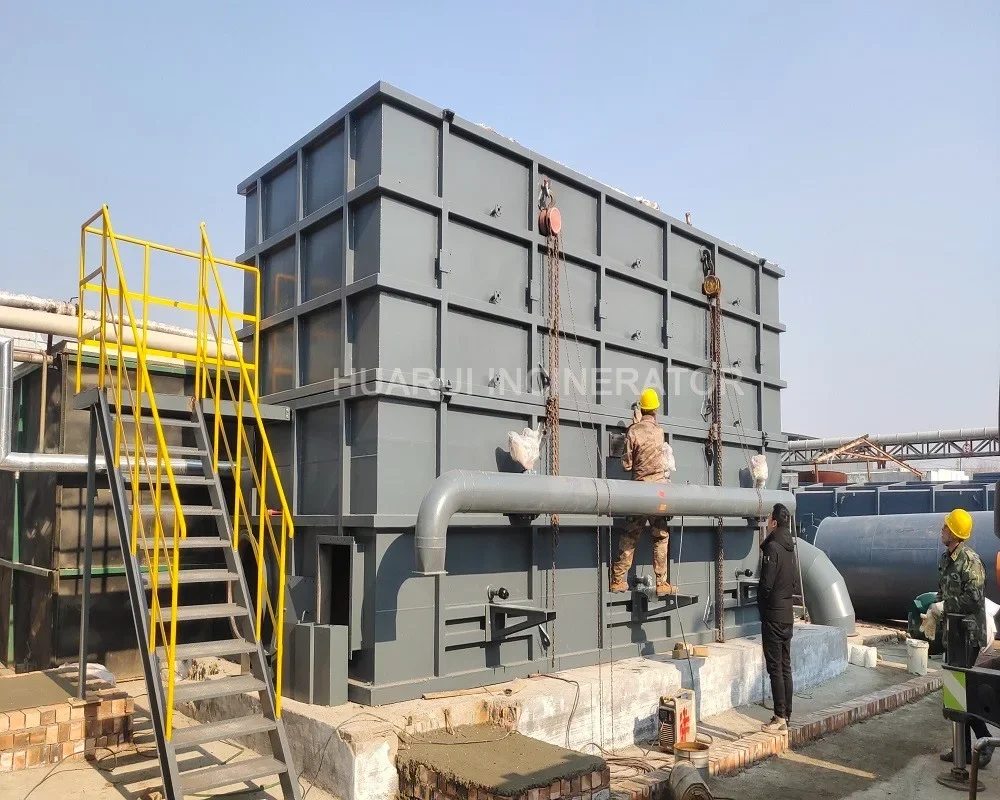
Revolutionizing Waste Management: The Benefits of RTO Regenerative Incinerators


When it comes to waste management, we are facing an urgent challenge. Our landfills are overflowing, our oceans are choked with plastic, and harmful emissions from traditional incineration methods continue to pollute the air we breathe. But fear not! There is a solution on the horizon that promises to transform how we handle waste and create a cleaner, greener future.
Enter RTO Regenerative Incinerators - the superheroes of waste disposal! These innovative machines offer a sustainable alternative to conventional incineration techniques while minimizing environmental impact. In this blog post, we will explore what makes RTOs so revolutionary and why they hold the key to revolutionizing waste management as we know it.
So sit tight and get ready for a thrilling journey into the world of RTO Regenerative Incinerators - where science meets sustainability in an epic battle against waste!
The current state of waste management and its impact on the environment
The current state of waste management is a pressing issue that demands our immediate attention. We live in a world where consumption and production are at an all-time high, resulting in mountains of waste being generated every day. Sadly, much of this waste ends up in landfills or improperly disposed of, causing significant harm to the environment.
Landfills, once thought to be a convenient solution for waste disposal, have now become ticking time bombs. As organic matter decomposes within these sites, it releases harmful greenhouse gases like methane - a potent contributor to climate change. Additionally, leachate from landfills can contaminate groundwater sources and pose serious health risks.
Even traditional incineration methods come with their own set of problems. These facilities emit toxic pollutants into the atmosphere such as dioxins and furans which can have detrimental effects on human health and ecosystems.
Moreover, vast quantities of non-recyclable plastics find their way into our oceans each year, contributing to the formation of massive garbage patches and endangering marine life. The impact on biodiversity cannot be overstated.
It is clear that our current practices are unsustainable and damaging to both the planet and its inhabitants. But fear not! There is hope on the horizon in the form of RTO Regenerative Incinerators - an innovative solution poised to revolutionize waste management forever. Stay tuned as we dive deeper into how RTOs work their magic!
Introduction to RTO Regenerative Incinerators
Let's dive into the fascinating world of waste management and explore a game-changing technology known as RTO (Regenerative Thermal Oxidizer) regenerative incinerators. These innovative machines are transforming the way we handle and dispose of waste, offering numerous benefits for both the environment and businesses alike.
RTOs are advanced incineration systems that utilize high temperatures to break down harmful pollutants emitted by industrial processes. Unlike traditional incinerators, which simply burn waste without any regard for emissions control, RTOs are designed to minimize environmental impact while maximizing energy efficiency.
How do these remarkable machines work? Well, it all starts with a combustion chamber where waste is introduced. The waste undergoes a controlled burning process that generates heat energy. This heat is then transferred through ceramic media beds within the system, which act as thermal storage units.
As exhaust gases pass through these beds, they release their heat energy and become purified in the process. The purified gas can then be safely released into the atmosphere or further treated if necessary. Meanwhile, the captured heat from this thermal exchange is redirected back into the combustion chamber, allowing for self-sustaining operation with minimal additional fuel requirements.
The benefits of using RTO regenerative incinerators in waste management are truly remarkable! They significantly reduce air pollution by efficiently destroying harmful pollutants such as volatile organic compounds (VOCs), nitrogen oxides (NOx), and hazardous air pollutants (HAPs). This ensures compliance with strict environmental regulations while protecting human health and ecosystems.
RTOs offer impressive energy savings compared to traditional incineration methods since they harness and reuse excess heat generated during operation. By recycling this valuable resource instead of wasting it like conventional systems do, businesses can cut down on fuel consumption and lower operating costs – a win-win situation!
How RTOs work and their benefits in waste management
RTO Regenerative Incinerators have revolutionized waste management by offering a more sustainable and efficient solution. But how exactly do these incinerators work, and what benefits do they bring to the table?
At its core, an RTO (Regenerative Thermal Oxidizer) works by using high temperatures to break down harmful pollutants in industrial waste gases. The process begins with the collection of exhaust gases from various sources, such as manufacturing processes or chemical reactions.
These collected gases are then directed into the RTO system, where they pass through a series of ceramic beds known as heat exchangers. These beds act as thermal storage units, absorbing heat from outgoing gas streams and transferring it to incoming ones.
As the hot exhaust gas passes through one heat exchanger bed, it undergoes combustion at extremely high temperatures. This intense heat oxidizes any hazardous compounds present in the gas stream, converting them into harmless substances like carbon dioxide and water vapor.
Once cleaned through this combustion process, the purified gas is released back into the atmosphere without posing any harm to air quality or surrounding ecosystems. Meanwhile, the stored thermal energy is efficiently transferred between different heat exchanger beds within the system for continuous operation.
The benefits of RTO Regenerative Incinerators in waste management are manifold. They significantly reduce air pollution by eliminating harmful emissions that would otherwise be released directly into our environment.
RTOs offer impressive fuel efficiency due to their regenerative design - up to 95% thermal efficiency can be achieved! This translates into cost savings for industries as they require less fuel consumption compared to traditional incineration methods.
Moreover, since RTOs operate at high temperatures (typically above 1400°F), they effectively destroy volatile organic compounds (VOCs), greenhouse gases (GHGs), and other hazardous pollutants found in industrial emissions. By doing so, these incinerators contribute towards environmental sustainability goals while ensuring compliance with stringent air quality regulations.
Comparison with traditional incineration methods
When it comes to waste management, traditional incineration methods have been widely used for decades. These methods involve burning waste at high temperatures to reduce its volume and eliminate harmful substances. While they may have served their purpose in the past, there are several drawbacks associated with traditional incineration that make them less ideal in today's environmentally-conscious world.
One of the main issues with traditional incineration is the release of toxic emissions into the atmosphere. This includes pollutants like sulfur dioxide, nitrogen oxides, and particulate matter, which can contribute to air pollution and pose health risks to nearby communities. Additionally, the ash residue left behind after incineration often contains heavy metals and other hazardous materials that require careful disposal.
RTO Regenerative Incinerators offer a more sustainable alternative to traditional methods. Unlike conventional incinerators, RTOs use a regenerative process that recycles heat energy within the system. This not only reduces fuel consumption but also minimizes emissions by effectively capturing and treating pollutants before they are released.
Furthermore, RTOs have a higher thermal efficiency compared to traditional incinerators. They can achieve destruction efficiencies of over 99% while minimizing energy loss through heat recovery systems. This means that more waste can be processed using fewer resources – a win-win situation for both the environment and cost savings.
In terms of operational flexibility, RTOs also come out on top. They can handle a wide range of wastes including solids, liquids, sludges as well as volatile organic compounds (VOCs). Traditional incinerators often struggle with certain types of waste or require additional pre-treatment processes which add complexity and cost.
Implementing RTO Regenerative Incinerators does come with its challenges though. The initial investment cost is typically higher than traditional methods due to advanced technology requirements. However, this expense is offset by long-term savings in fuel costs and reduced environmental impact.
Potential challenges and solutions for implementing RTOs
Implementing RTO Regenerative Incinerators in waste management systems does come with its fair share of challenges. One of the main hurdles is the initial cost associated with installing these advanced technologies. The high capital investment required may deter some organizations from adopting RTOs, especially smaller businesses or municipalities operating on tight budgets. However, it's important to consider the long-term benefits and cost savings that can be achieved through improved energy efficiency and reduced emissions.
Another challenge lies in ensuring proper maintenance and operation of the RTO system. Regular inspections, cleaning, and servicing are crucial to keep the equipment running smoothly and efficiently. This requires trained personnel who are knowledgeable about the intricacies of RTO technology. Adequate training programs should be implemented to educate operators on best practices for maintaining optimal performance.
Additionally, integrating RTO Regenerative Incinerators into existing waste management infrastructure may require modifications or upgrades to accommodate this new technology. Adapting facilities to meet regulatory standards can pose logistical challenges but investing in necessary changes will ultimately yield positive environmental outcomes.
To address these challenges, collaboration between government bodies, industry stakeholders, and technology providers is essential. Financial incentives such as grants or tax credits can help offset installation costs for businesses willing to adopt RTOs. Moreover, partnerships between larger corporations and smaller entities can facilitate knowledge sharing and provide support throughout implementation processes.
Conclusion: The future of waste management with RTO Regenerative Incinerators
As we look towards the future, it is clear that waste management needs a revolutionary solution to mitigate its impact on the environment. RTO Regenerative Incinerators offer a promising path forward in this regard.
These innovative incinerators not only effectively reduce the volume of waste but also provide significant environmental benefits. With their ability to destroy harmful pollutants and convert them into clean energy, they are truly revolutionizing waste management practices.
Compared to traditional incineration methods, RTOs stand out for their superior efficiency and minimal emissions. By harnessing heat recovery technology, they not only minimize energy consumption but also contribute towards sustainable development by generating usable heat or electricity from the process.
Although there may be initial challenges in implementing these systems due to cost considerations and infrastructure requirements, it is important to acknowledge that investing in advanced waste management technologies like RTO Regenerative Incinerators will yield long-term benefits for our planet.
By embracing these solutions and encouraging their adoption on a larger scale, we can pave the way for a cleaner and more sustainable future. It is up to us as individuals, communities, businesses, and governments to take responsibility for our waste management practices and embrace innovative technologies that prioritize both environmental preservation and resource recovery.
The time has come for us to redefine how we think about waste – from something disposable to valuable resources waiting to be utilized. With RTO Regenerative Incinerators leading the charge towards efficient and environmentally friendly waste disposal methods, together we can create a better world where sustainability is at the forefront of every decision we make.
So let's join hands in revolutionizing waste management with RTOs – because when it comes to protecting our planet’s future, there’s no time left for wasted opportunities!
Related news

Contact us