
Clear records
history record

News
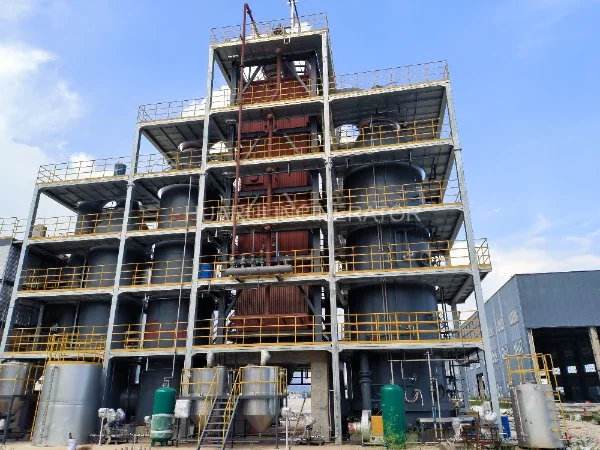
Introduction to Waste Gas Incinerators: An Essential Technology for Environmental Protection


In the modern world, industries generate waste gases that can be harmful to the environment and human health. To mitigate this, waste gas incinerators have become an indispensable piece of equipment. These systems are designed to burn off waste gases at high temperatures, effectively reducing the volume of waste and neutralizing harmful substances. This article delves into the intricacies of waste gas incinerators, their importance, and how they contribute to environmental sustainability.
What is a Waste Gas Incinerator?
A waste gas incinerator is a type of thermal treatment system used to dispose of waste gases by burning them at high temperatures. The primary purpose of this process is to reduce the volume of waste, destroy hazardous compounds, and convert the waste into a less harmful substance. The incineration process involves combustion, which is a high-temperature oxidation reaction that breaks down the waste gas into simpler compounds.
Benefits of Waste Gas Incineration
The benefits of using waste gas incinerators are manifold. They not only help in reducing the volume of waste but also play a crucial role in eliminating hazardous substances. Here are some of the key benefits:
Volume Reduction: Waste gas incinerators reduce the volume of waste gases significantly, making it easier to manage and dispose of the remaining ash.
Destruction of Hazardous Compounds: High temperatures ensure that harmful compounds in the waste gases are broken down, reducing the risk of environmental contamination.
Energy Recovery: Some waste gas incinerators are designed to capture the heat generated during the incineration process, which can be used to produce steam or electricity, contributing to energy sustainability.
Types of Waste Gas Incinerators
There are various types of waste gas incinerators, each designed to handle specific types of waste gases. Understanding the different types is crucial for selecting the right system for a particular application.
1. Direct Flame Incinerators
Direct flame incinerators are the most common type, where waste gases are directly exposed to a flame. This method is effective for waste gases with high calorific values that can sustain combustion without additional fuel.
2. Secondary Chamber Incinerators
Secondary chamber incinerators are designed to ensure complete combustion by maintaining a longer residence time and higher temperatures in a secondary chamber. This type is suitable for waste gases with lower calorific values.
3. Regenerative Incinerators
Regenerative incinerators use heat exchangers to recover and reuse heat, making the process more energy-efficient. They are ideal for applications where energy recovery is a priority.
4. Catalytic Incinerators
Catalytic incinerators use catalysts to lower the ignition temperature of waste gases, allowing for more efficient combustion at lower temperatures. This type is beneficial for waste gases that are difficult to ignite.
Design Considerations for Waste Gas Incinerators
Designing a waste gas incinerator involves several critical factors that must be considered to ensure the system's efficiency and compliance with environmental regulations.
1. Waste Gas Composition
Understanding the composition of the waste gas is essential for selecting the appropriate incineration technology. Different waste gases require different temperatures and conditions for effective incineration.
2. Temperature Control
Maintaining the right temperature is crucial for the efficient operation of waste gas incinerators. High temperatures ensure complete combustion, while excessive temperatures can lead to equipment damage.
3. Emission Standards
Waste gas incinerators must meet strict emission standards to prevent the release of harmful byproducts into the atmosphere. Designing the system to comply with these standards is a critical consideration.
4. Energy Efficiency
Energy efficiency is a key factor in the design of waste gas incinerators. Systems that can recover and reuse heat are more sustainable and cost-effective in the long run.
Operational Aspects of Waste Gas Incinerators
Proper operation and maintenance of waste gas incinerators are essential to ensure their effectiveness and longevity.
1. Combustion Efficiency
Monitoring and maintaining combustion efficiency is crucial. This involves ensuring that the waste gas is evenly distributed and that the incinerator operates at the optimal temperature.
2. Emission Monitoring
Regular monitoring of emissions is necessary to ensure compliance with environmental regulations. This includes monitoring for particulates, toxic gases, and other pollutants.
3. Maintenance and Repair
Routine maintenance and timely repair are essential to prevent equipment failure and ensure the continuous operation of waste gas incinerators.
4. Safety Measures
Safety is paramount in the operation of waste gas incinerators. This includes measures to prevent explosions, control emissions, and protect workers from hazardous conditions.
Environmental Impact of Waste Gas Incineration
The environmental impact of waste gas incineration is a critical area of concern. While incineration reduces waste volume and destroys hazardous compounds, it also has potential drawbacks.
1. Air Pollution
If not properly controlled, waste gas incineration can contribute to air pollution. Emissions must be carefully monitored and managed to minimize this impact.
2. Waste Residue
The ash and other residues produced by incineration can be hazardous and require proper disposal. This is an important consideration in the overall waste management strategy.
3. Greenhouse Gas Emissions
Incineration can produce greenhouse gases, contributing to climate change. However, modern waste gas incinerators are designed to minimize these emissions.
4. Resource Recovery
One positive environmental impact of waste gas incineration is the potential for resource recovery. By capturing and utilizing the heat generated during the process, waste gas incinerators can contribute to energy sustainability.
Regulatory Compliance for Waste Gas Incinerators
Regulatory compliance is a critical aspect of waste gas incineration. Industries must adhere to strict guidelines to ensure the safe and effective operation of these systems.
1. Local, National, and International Regulations
Different regions have varying regulations governing waste gas incineration. It is essential to understand and comply with local, national, and international standards.
2. Permitting and Reporting
Obtaining the necessary permits and regularly reporting emissions data are essential for regulatory compliance. This ensures that the operation of waste gas incinerators is transparent and accountable.
3. Environmental Impact Assessments
Conducting environmental impact assessments is a crucial step in the planning and operation of waste gas incinerators. These assessments help identify potential environmental risks and mitigation measures.
4. Continuous Improvement
Regulations are continually evolving, and industries must stay up-to-date with the latest requirements. This includes investing in technology and processes that improve the efficiency and environmental performance of waste gas incinerators.
Future of Waste Gas Incineration
As environmental concerns grow, the future of waste gas incineration is focused on innovation and sustainability.
1. Technological Advancements
Technological advancements are driving improvements in waste gas incineration, making the process more efficient and environmentally friendly.
2. Energy Recovery and Sustainability
The focus on energy recovery from waste gas incineration is increasing, with systems being designed to capture and utilize the heat generated during the process.
3. Integration with Other Waste Management Strategies
Waste gas incineration is increasingly being integrated with other waste management strategies, such as recycling and waste-to-energy initiatives, to create a more comprehensive approach to waste management.
4. Public Awareness and Education
Public awareness and education about the benefits and importance of waste gas incineration are crucial for gaining support and acceptance of this technology.
Conclusion
Waste gas incinerators play a vital role in managing waste gases and protecting the environment. By understanding the technology, its benefits, and the importance of regulatory compliance, industries can effectively manage waste gases and contribute to a more sustainable future. As we look to the future, the focus on innovation, energy recovery, and integration with other waste management strategies will be key to the continued success and evolution of waste gas incineration.
Related news

Contact us