
Clear records
history record

News
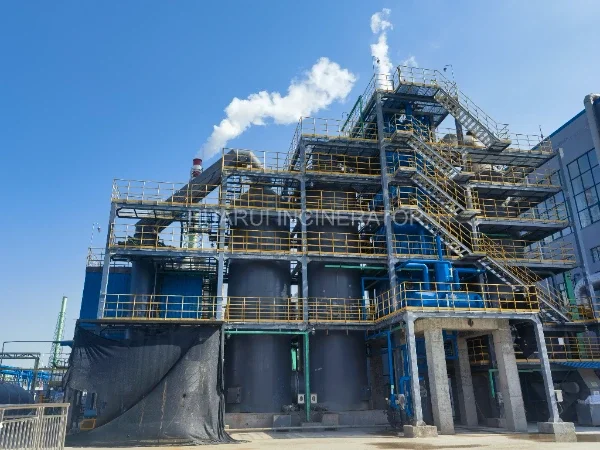
Principles and Processes of Liquid and Gas Waste Incineration


Managing liquid and gas waste is a big deal. A liquid and gas waste incinerator offers an effective solution for disposal. It reduces harmful substances, minimizes landfill use, and cuts down on pollution. By burning waste at high temperatures, these incinerators convert it into ash, gas, and heat. This process not only cleans up the environment but also generates energy that can be reused. With strict regulations in place, modern incinerators are designed to ensure safety and efficiency. They play a crucial role in waste management strategies worldwide. Understanding how they work can help communities make informed decisions about waste disposal methods. Dive into the details of liquid and gas waste incinerators and discover their benefits for our planet.
Key Takeaways
Understanding the principles of waste incineration can help you appreciate its role in waste management and environmental protection.
Familiarize yourself with the liquid waste disposal process to ensure safe and effective waste treatment in your operations.
Explore gas waste incineration techniques to choose the best method for your specific industry needs.
Implement emissions control measures discussed in the article to minimize environmental impact and comply with regulations.
Recognize the environmental benefits of incineration, such as reducing landfill use and generating energy from waste.
Consider submerged combustion systems for enhanced operational efficiency and effective waste processing in various applications.
Principles of Waste Incineration
Thermal Treatment
Waste incineration is a thermal treatment process. It involves burning waste materials at high temperatures. This process reduces the volume of waste significantly. It also converts solid waste into ash, gas, and heat.
High temperatures are crucial in this method. They help break down complex organic materials. The typical operating temperature for waste incinerators ranges from 850°C to 1,200°C. At these temperatures, toxic substances are destroyed. This includes harmful compounds like dioxins and furans.
Role of High Temperatures
High temperatures play a vital role in waste incineration. They ensure complete combustion of waste materials. Complete combustion minimizes the formation of harmful emissions. It also enhances the efficiency of energy recovery systems.
Waste incinerators use advanced designs to maintain high temperatures. Some designs include rotary kilns or moving grate systems. These systems promote thorough mixing and exposure of waste to heat. Such methods ensure that all materials reach the required temperature for effective breakdown.
Managing Difficult Waste
Incineration is essential for managing waste that cannot be treated through conventional methods. Some materials, like certain plastics and medical waste, pose significant disposal challenges. Traditional recycling or landfilling may not be viable options for these wastes.
Waste incineration facilities provide a solution for these problematic materials. They can safely dispose of hazardous wastes while recovering energy in the process. This dual benefit makes incineration an attractive option for many municipalities.
Waste Incinerator Residues
After incineration, residues remain. These include bottom ash and fly ash. Bottom ash consists of heavy materials that do not burn completely. Fly ash contains lighter particles carried away with flue gases.
Proper management of these residues is crucial. They can still contain harmful substances. Therefore, they must be handled according to environmental regulations.
Environmental Impact
Waste incineration can have both positive and negative impacts on the environment. On one hand, it helps reduce landfill use and generates energy. On the other hand, it can produce emissions if not managed correctly.
Modern waste incinerators come equipped with advanced filtration systems. These systems capture harmful emissions before they enter the atmosphere. Regular monitoring ensures compliance with environmental standards.
Process of Liquid Waste Disposal
Collection Steps
Liquid waste collection starts with identifying the source. Facilities like factories and hospitals generate significant amounts of waste liquid. Workers gather these liquids in designated containers. This step ensures safe handling and minimizes risks.
Next, the collected waste undergoes initial inspection. This process checks for hazardous materials. It also determines the appropriate disposal method. Proper identification is crucial for effective waste management purposes.
Pre-treatment Importance
Pre-treatment processes play a vital role in preparing liquid waste for incineration. Filtration is one common method used to remove solid particles. This step helps prevent equipment damage during the incineration process.
Chemical adjustment is another essential pre-treatment step. It modifies the pH level of the waste liquid. This adjustment enhances combustion efficiency. Properly treated waste leads to better results during incineration.
Combustion Chambers
Combustion chambers are critical for efficient waste disposal. These chambers vaporize and oxidize liquid waste at high temperatures. The typical operating temperature ranges from 850°C to 1,200°C.
During this phase, liquid waste transforms into gas. The gases produced then undergo further treatment to reduce harmful emissions. This step ensures compliance with environmental regulations.
The design of combustion chambers influences efficiency. They must provide adequate mixing of air and vaporized waste. This mixing supports complete oxidation, reducing toxic byproducts.
Final Disposal
After combustion, the remaining ash requires careful handling. This residue contains heavy metals and other pollutants. Facilities must manage this ash according to local regulations.
Final disposal methods may include landfilling or recycling based on ash composition. Proper management prevents environmental contamination and promotes sustainable practices.
Monitoring and Compliance
Continuous monitoring is essential throughout the liquid waste disposal process. Facilities must track emissions to ensure safety standards are met. Regular inspections help identify any potential issues early on.
Compliance with regulations protects public health and the environment. It also demonstrates a commitment to responsible waste management practices.
Gas Waste Incineration Techniques
Direct Flame Methods
Direct flame methods are common in waste gas incineration systems. These techniques use a high-temperature flame to burn off gaseous waste. The combustion process occurs in a controlled environment. This ensures that harmful emissions are minimized.
Temperature plays a crucial role in direct flame incineration. Higher temperatures lead to more efficient burning of waste gas. The flames can reach up to 1,200 degrees Celsius. This high heat helps break down complex compounds found in gaseous waste.
Catalytic Methods
Catalytic methods also serve as effective gas waste treatment options. These methods utilize catalysts to enhance the combustion process. Catalysts lower the temperature needed for burning waste gas. They make the process more energy-efficient.
In catalytic incineration, the reaction occurs at lower temperatures, usually between 300 and 600 degrees Celsius. This reduces energy costs and emissions. For example, using a catalyst can lead to a significant decrease in nitrogen oxides (NOx) production.
Temperature and Residence Time
Temperature and residence time are vital factors in gas waste incineration. Residence time refers to how long the gas stays in the combustion chamber before exiting. Longer residence times allow for complete combustion of gaseous waste.
Combining high temperature with adequate residence time improves efficiency. It ensures that harmful substances break down completely, reducing toxic emissions. A well-designed waste furnace can optimize both elements for better performance.
Advanced Combustion Technologies
Advanced combustion technologies enhance gas waste treatment significantly. These technologies include integrated systems that combine multiple processes. For instance, an integral waste heat recovery system captures excess heat generated during incineration.
This recovered heat can be used to generate steam or electricity. It increases overall energy efficiency and reduces operational costs. Furthermore, advanced designs often feature improved waste combustor maintenance protocols. Regular maintenance keeps systems running efficiently and safely.
Benefits of Improved Techniques
The advantages of using advanced techniques are numerous. Enhanced combustion technologies lead to reduced emissions of harmful pollutants. They also increase the overall efficiency of gas plant incineration applications.
Another benefit includes compliance with strict environmental regulations. Many industries face pressure to minimize their carbon footprint. Using modern incineration processes helps meet these demands while treating waste responsibly.
Emissions Control and Prevention
Technologies Used
Incinerators utilize various technologies to control emissions. Scrubbers are one of the primary systems. They remove harmful gases by passing them through a liquid solution. This process neutralizes acidic components, reducing their impact on air quality.
Filters also play a critical role. These devices capture particulate matter before it escapes into the atmosphere. High-efficiency particulate air (HEPA) filters are common in modern incinerators. They can trap particles as small as 0.3 microns with an efficiency of 99.97%. This ensures that only clean air is released.
Advanced oxidation processes (AOPs) are used to break down hazardous compounds. AOPs use strong oxidants to decompose pollutants into less harmful substances. This technology enhances the overall effectiveness of emissions control systems.
Importance of Standards
Adhering to local and international air quality standards is crucial for incinerators. Regulations set limits on the amount of pollutants allowed in the air. These standards protect public health and the environment.
For instance, the U.S. Environmental Protection Agency (EPA) has strict guidelines for waste incineration facilities. Facilities must meet these regulations to operate legally. Failure to comply can result in severe penalties or shutdowns.
Internationally, agreements like the Paris Agreement emphasize reducing greenhouse gas emissions. Countries commit to lowering pollution levels to combat climate change. Incinerators must align with these goals to contribute positively to global efforts.
Monitoring Systems
Monitoring systems ensure compliance with emissions regulations. Continuous emission monitoring systems (CEMS) track pollutants in real-time. These systems provide data on various gases, including carbon monoxide and nitrogen oxides.
Operators use this information to adjust processes as needed. If emissions exceed acceptable levels, adjustments can be made immediately. This proactive approach helps maintain compliance and protect air quality.
Regular maintenance of monitoring equipment is essential for accurate readings. Technicians perform routine checks and calibrations to ensure reliability. This diligence supports effective emissions control strategies.
In summary, effective emissions control in liquid and gas waste incinerators relies on several key factors. Technologies such as scrubbers and filters play vital roles in reducing harmful outputs. Compliance with local and international air quality standards is necessary for public health and environmental protection. Monitoring systems provide real-time data that helps operators maintain adherence to regulations.
Environmental Benefits of Incineration
Waste Reduction
Effective waste incineration practices significantly reduce landfill use. Traditional landfills occupy large areas and can contaminate soil and water. By converting waste into ash, gases, and heat, incinerators minimize the volume of waste sent to landfills.
This process can decrease landfill space by up to 90%. Communities can reclaim land previously used for waste disposal. This reclaimed land can be repurposed for parks or housing.
Greenhouse Gas Emissions
Incineration applications also help minimize greenhouse gas emissions. Compared to traditional waste disposal methods, high-temperature incineration produces fewer emissions. Landfills release methane, a potent greenhouse gas that contributes to climate change.
In contrast, modern incinerators are equipped with advanced emission control technologies. These technologies capture harmful gases before they enter the atmosphere. Studies show that incineration can cut greenhouse gas emissions by 50% compared to landfilling.
Energy Recovery
Energy recovery from incinerated waste is another significant benefit. Incinerators can convert waste into energy through combustion. This energy can be harnessed to produce electricity or heat.
In several countries, waste-to-energy plants operate successfully. They generate power while reducing waste volume. For example, in Sweden, over 50% of municipal waste is incinerated for energy recovery. This practice supports sustainability goals by providing a renewable energy source.
Economic Advantages
Waste incineration applications can also offer economic benefits. The reduction in landfill use lowers municipal costs associated with waste management. Cities spend less on transportation and maintenance of landfills.
Moreover, energy recovery creates job opportunities in the recycling and energy sectors. Local economies benefit from new jobs in these fields as demand for clean energy rises.
Public Health Improvement
High-temperature incineration reduces public health risks linked to waste disposal. Landfills attract pests and can produce foul odors. These issues may lead to health problems in nearby communities.
Incineration minimizes these risks by controlling waste in a contained environment. Properly managed facilities ensure that harmful substances are destroyed during the process. This results in cleaner air and a healthier community overall.
Submerged Combustion Systems
Design Features
Submerged combustion systems play a vital role in treating alkaline waste. These incinerators feature a combustion chamber designed to handle high temperatures and harsh conditions. The burner operates below the liquid surface, ensuring efficient mixing of waste and air. This design promotes complete combustion and minimizes harmful emissions.
The clean combustion chamber is essential for maintaining optimal performance. It prevents the buildup of residues that could hinder operation. By ensuring that the combustion process occurs efficiently, these systems reduce environmental impact.
Challenges Faced
Incinerating alkaline waste presents unique challenges. One major issue is corrosion. High alkaline content can lead to rapid deterioration of equipment. This requires regular maintenance and specialized materials resistant to such harsh environments.
Salt formation also poses a significant challenge during incineration. The reaction between alkaline materials and other components can produce salt deposits. These deposits can accumulate within the combustion chamber, leading to operational inefficiencies. Regular monitoring and cleaning are necessary to address this issue.
Cooling Mechanisms
Cooling mechanisms are crucial in submerged combustion systems. Quencher systems help manage flue gas temperature effectively. They rapidly cool gases before they exit the combustion chamber, reducing thermal stress on equipment.
These cooling systems protect critical components from damage. By lowering gas temperatures, they also minimize the risk of corrosion. This ensures longevity and reliability in incinerator operations.
Effective cooling contributes to better overall performance. It allows for safer handling of flue gases and reduces emissions further. These benefits align with the environmental goals discussed previously.
Operational Efficiency of Incinerators
Fuel Types
Fuel type plays a crucial role in incinerator operation. Different fuels burn at varying efficiencies. For instance, natural gas burns cleaner than coal. This affects the overall emissions produced during the incineration process.
The choice of fuel impacts combustion temperatures. Higher temperatures lead to better waste breakdown. Modern incinerators utilize advanced fuel sources that enhance efficiency. These include alternative fuels like biomass. Such fuels can reduce reliance on fossil fuels.
Combustion Control
Combustion control is vital for effective incineration systems. Proper control ensures complete combustion of waste materials. Incomplete combustion results in harmful emissions. Monitoring oxygen levels and temperature are key factors in this process.
Advanced technologies improve control mechanisms. Automated systems adjust air supply and temperature in real-time. This optimizes combustion conditions, leading to lower emissions. Improved control also enhances energy recovery from waste.
Advanced Technologies
Modern incinerators incorporate advanced technologies. These innovations boost performance and reduce energy consumption. For example, some systems use flue gas cleaning technology. This reduces harmful pollutants before they enter the atmosphere.
Energy recovery systems capture heat generated during incineration. This heat can be used for electricity or district heating. The result is a more efficient overall operation of the incinerator plant.
Regular Maintenance
Regular maintenance is essential for optimal incinerator operation. Scheduled checks ensure all components function correctly. Issues can arise from wear and tear over time. Neglecting maintenance can lead to inefficiencies and increased emissions.
Monitoring systems track performance metrics continuously. This helps identify problems early on, preventing costly downtime. Consistent maintenance improves the lifespan of incineration equipment.
Emission Reduction Strategies
Reducing incineration emissions remains a top priority. Several strategies exist to achieve this goal. Installing scrubbers can significantly lower sulfur dioxide emissions. Utilizing catalytic converters also helps reduce nitrogen oxides.
Many modern incinerators also implement carbon capture technologies. These systems capture CO2 before it enters the atmosphere. By adopting these measures, facilities can meet stricter environmental regulations.
Applications in Various Industries
Pharmaceuticals
Pharmaceutical companies generate a variety of liquid and gas waste. This includes solvents, active pharmaceutical ingredients (APIs), and contaminated packaging materials. Incinerators effectively manage these hazardous wastes. They ensure that toxic substances are destroyed at high temperatures, which reduces environmental risks.
For example, a major pharmaceutical plant in Switzerland implemented a liquid waste incinerator in 2018. This plant reduced its waste volume by over 80%. The incineration process converted harmful chemicals into harmless gases. As a result, the facility met strict environmental regulations.
Petrochemicals
The petrochemical industry also relies on waste incineration. This sector produces significant amounts of waste, such as oil sludge and chemical residues. These materials can be dangerous if not treated properly. Incineration helps mitigate these risks by safely breaking down hazardous components.
A notable case is an oil refinery in Texas that adopted gas waste incineration in 2020. The facility faced challenges with excess flaring and emissions. By using incinerators, it improved its recovery rates and reduced emissions by nearly 30%.
Manufacturing
Manufacturing plants generate various types of waste, including paints, adhesives, and solvents. These products often contain volatile organic compounds (VOCs) that can harm the environment. Incinerators provide a solution to this problem by converting these materials into energy.
One manufacturing company in Germany switched to incineration for its liquid waste in 2019. This change led to a significant reduction in landfill usage. The plant also began recovering energy from the incineration process, which contributed to its sustainability goals.
Waste Management Facilities
Waste management facilities play a critical role in handling industrial waste. They often use incinerators to treat mixed waste streams that include hazardous materials. These facilities ensure that dangerous substances are safely disposed of while recovering energy.
In 2021, a waste management facility in Japan upgraded its incineration technology. This modernization allowed for better control over emissions and increased efficiency in energy recovery. The facility now processes over 200 tons of waste daily while minimizing environmental impact.
Environmental Benefits
Incinerators provide several environmental benefits across industries. They significantly reduce the volume of waste sent to landfills. They help recover energy that can be used for other processes or sold back to the grid.
Final Remarks
Understanding liquid and gas waste incineration is crucial for effective waste management. This process not only reduces the volume of waste but also minimizes environmental impact. With advancements in emissions control and operational efficiency, incinerators are becoming more reliable and eco-friendly. You can see how various industries benefit from these systems, ensuring a cleaner future.
Now is the time to take action. Consider how you can implement or support waste incineration practices in your community or organization. Your efforts can lead to significant environmental benefits and contribute to sustainable waste management solutions. Stay informed, stay engaged, and be part of the change!
Frequently Asked Questions
What is waste incineration?
Waste incineration is a thermal treatment process that reduces waste volume by burning it at high temperatures. This method converts solid waste into ash, flue gas, and heat, minimizing landfill use and generating energy.
How does liquid waste disposal work?
Liquid waste disposal involves treating and incinerating liquid wastes to eliminate harmful components. The process ensures safe disposal while recovering energy, reducing environmental impact, and complying with regulatory standards.
What techniques are used for gas waste incineration?
Gas waste incineration employs methods like direct flame combustion, catalytic oxidation, and thermal oxidizers. These techniques ensure complete combustion of volatile organic compounds (VOCs) and minimize harmful emissions.
How is emissions controlled during incineration?
Emissions control in incinerators includes using scrubbers, filters, and electrostatic precipitators. These systems capture pollutants, ensuring compliance with environmental regulations and protecting air quality.
What are the environmental benefits of incineration?
Incineration reduces landfill use, minimizes greenhouse gas emissions, and recycles energy from waste. It also prevents soil and water contamination by safely disposing of hazardous materials.
What are submerged combustion systems?
Submerged combustion systems involve burning fuel beneath a liquid surface. This technique enhances heat transfer efficiency and minimizes emissions, making it ideal for treating liquid wastes effectively.
How efficient are modern incinerators?
Modern incinerators boast high operational efficiency, achieving up to 90% waste volume reduction. Advanced technologies improve energy recovery and emissions control, making them environmentally friendly solutions for waste management.
Related news

Contact us