


网站标题
Clear records
history record

Products

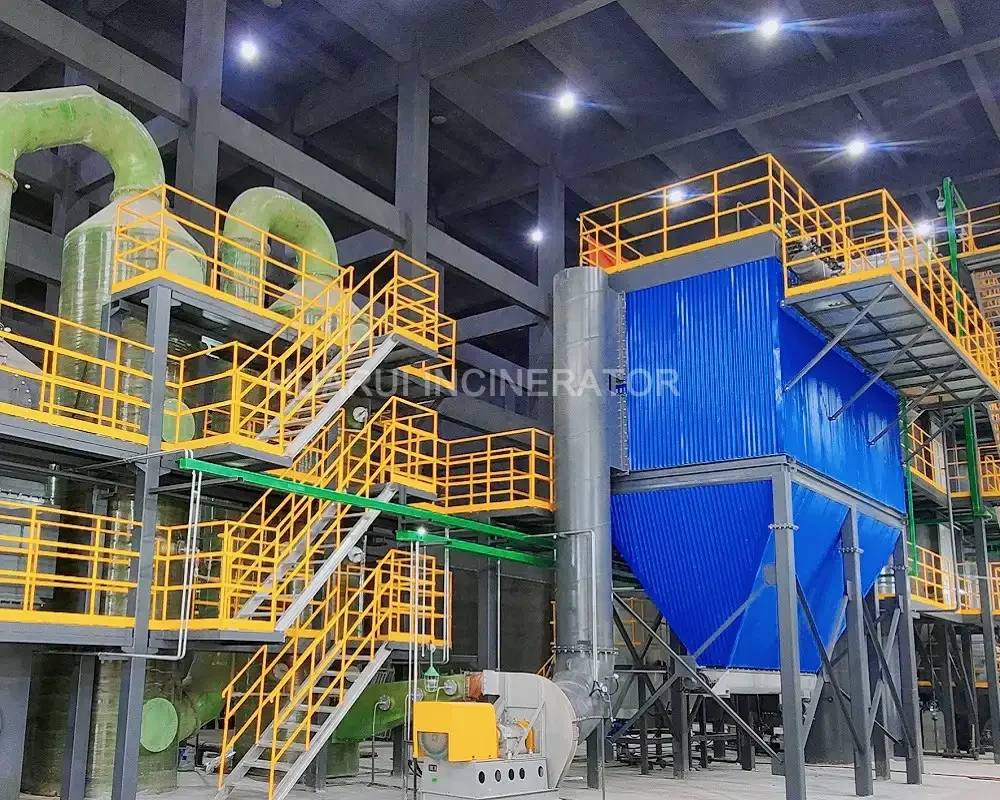
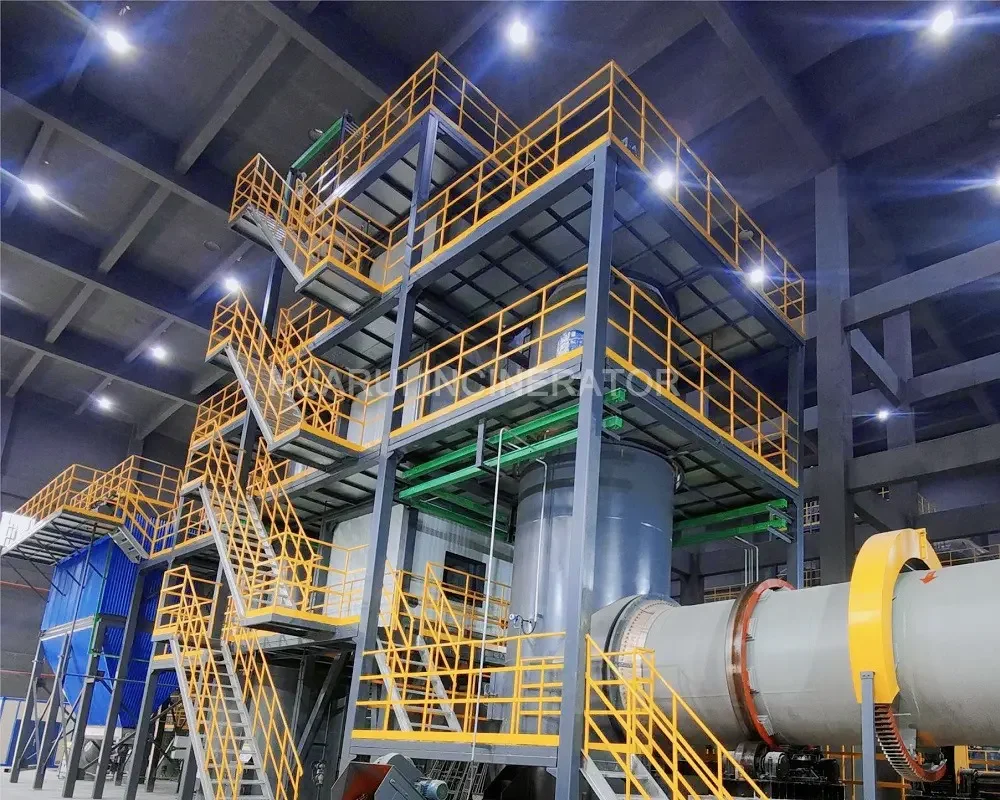
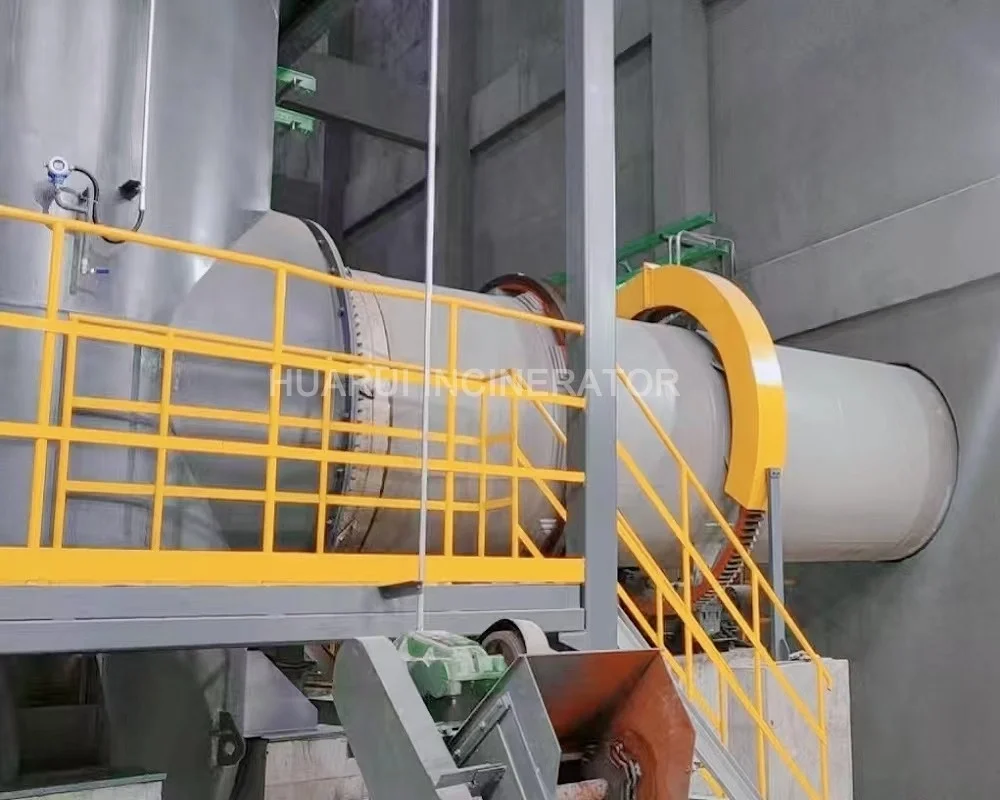
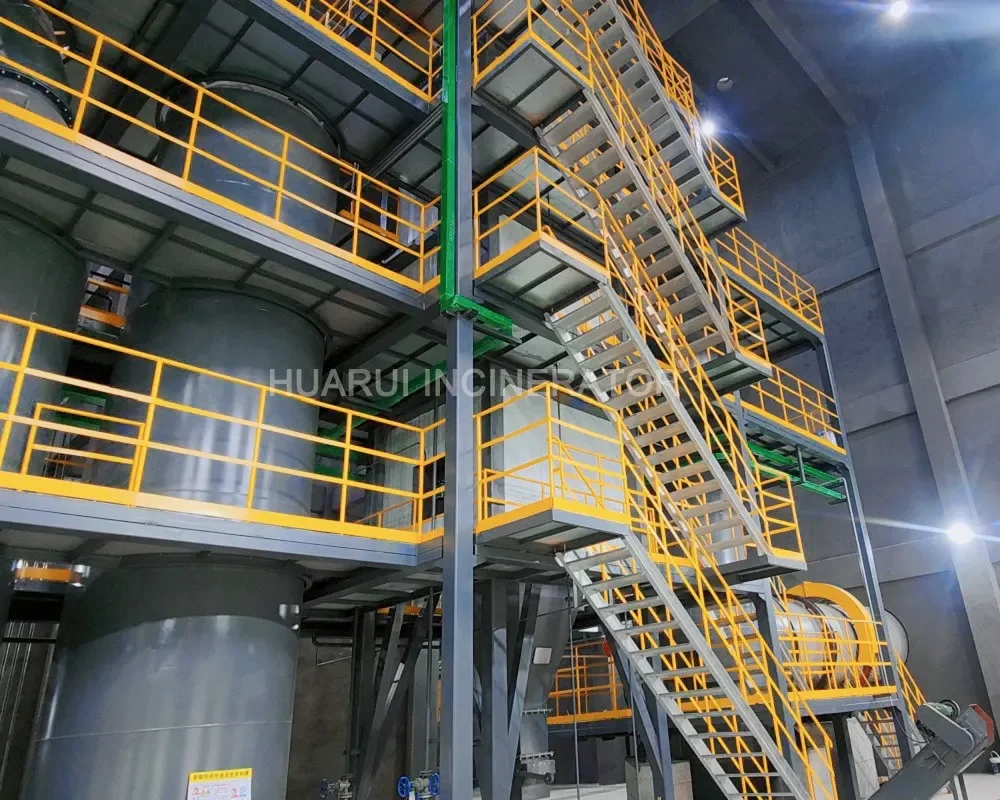
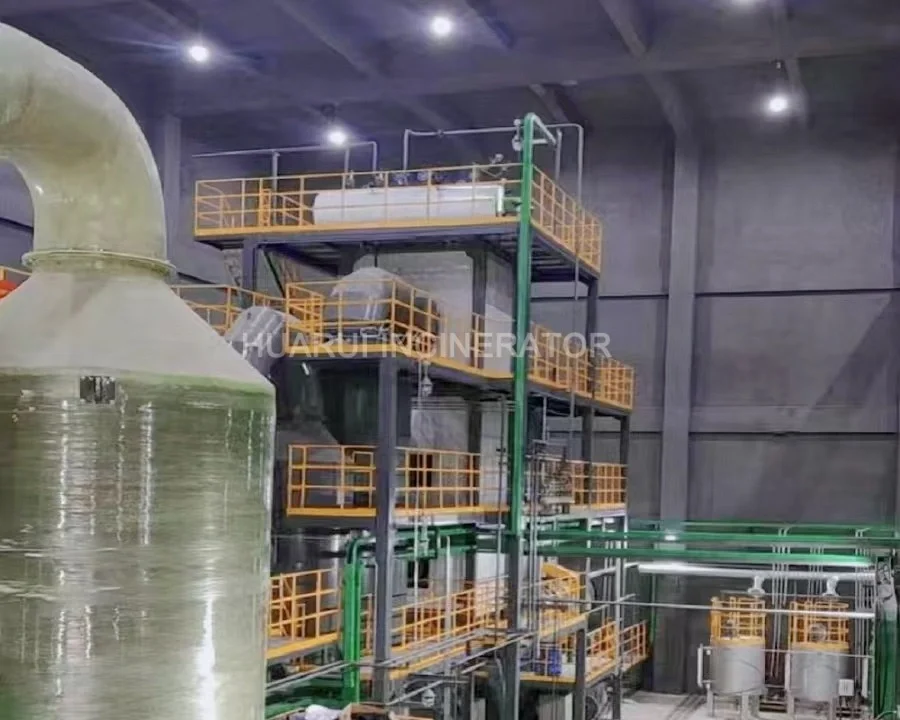
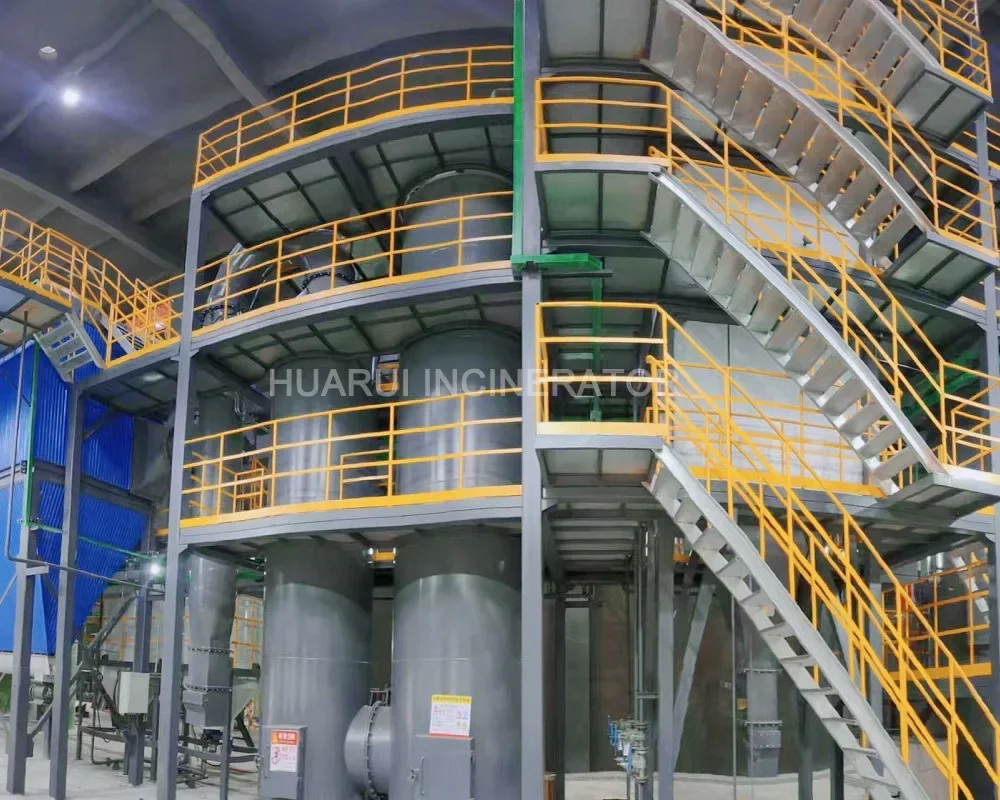
Rotary kiln incinerator medical waste centralized disposal project


Medical waste refers to directly or indirectly infectious, toxic and other hazardous waste produced by medical and health institutions in medical prevention, health care and other related activities. It is mainly divided into five categories: infectious waste, pathological waste, traumatic waste, chemical waste, and pharmaceutical waste.
Product Details
Rotary kiln incinerator medical waste centralized disposal project
Medical waste refers to directly or indirectly infectious, toxic and other hazardous waste produced by medical and health institutions in medical prevention, health care and other related activities. It is mainly divided into five categories: infectious waste, pathological waste, traumatic waste, chemical waste, and pharmaceutical waste.
This project plans to build a 7.5*2T/D medical waste disposal project, which will be disposed of in two units for incineration of medical waste. This set of incinerator engineering technology plan includes the procurement, installation and commissioning of two sets of hazardous waste incinerator purchase projects. The whole system includes the incinerator and its supporting waste feeding facilities, flue gas treatment system, ash removal system, and automatic control system. , chain alarm system, emergency discharge, online monitoring system, etc.
Main design indicators
Incinerator type: rotary kiln + secondarycombustion chamber
Incinerator (secondary combustion chamber) temperature: ≥1100°C
Flue gas residence time: ≥2s
Incineration efficiency: ≥99.9%
Incineration removal rate: ≥99.99%
Thermal loss rate of incineration residue: <5%
Incineration capacity: 312.5kg/h
Overload capacity: 20%
The refractory material of this rotary kiln adopts chrome corundum castable + corundum brick, the thickness is not less than 300mm; the chromium content in chrome corundum is not less than 3%, and the corundum content is not less than 85%;
Brief description of the main process of the process
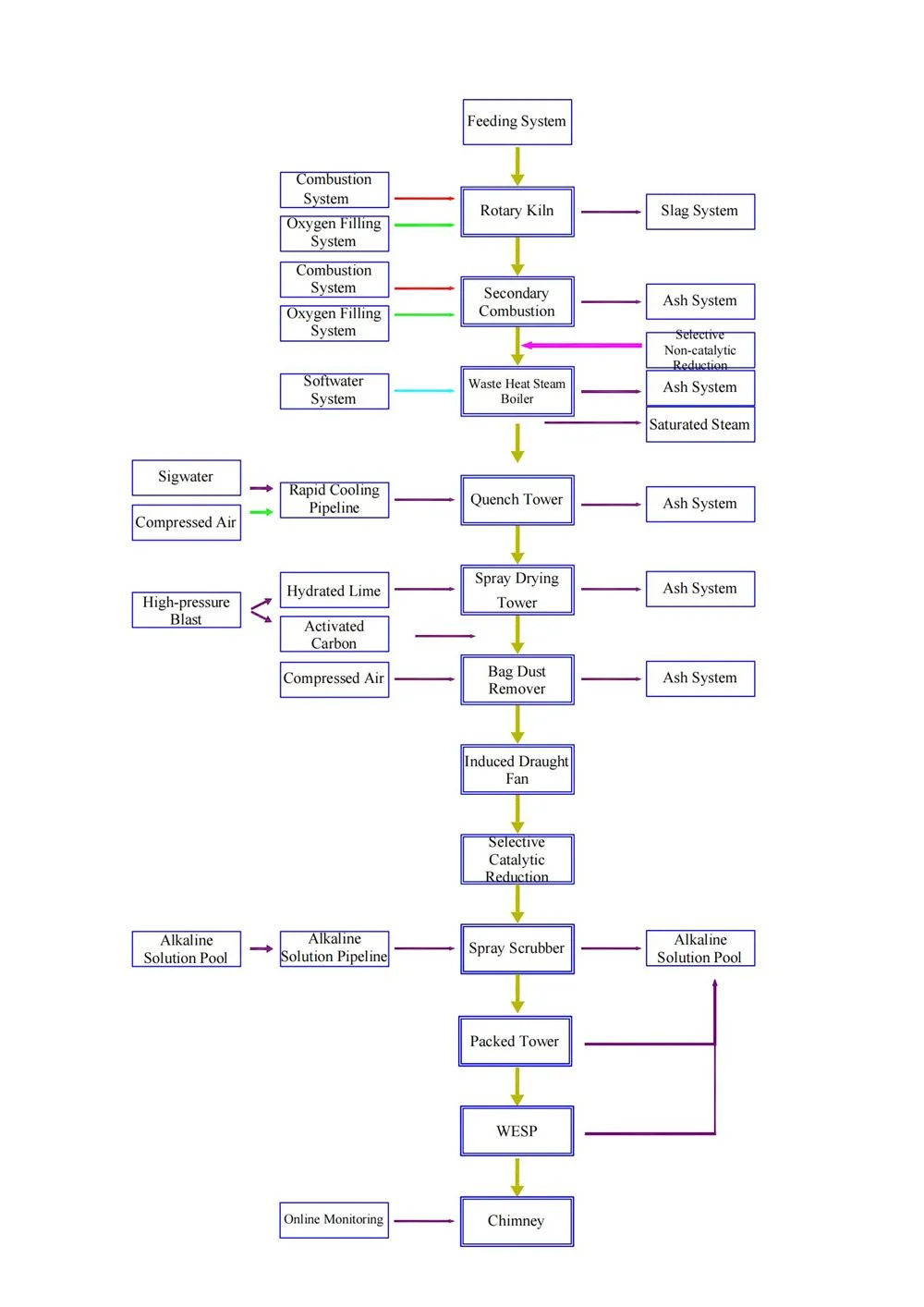
1) First, turn on the blower to purge the residual gas and other flammable and explosive gases in the furnace to prevent explosion after ignition.
2) Before the ignition burner is ignited, turn on the induced draft fan and purge the furnace for five minutes. The combustion-supporting fuel natural gas is transported through the pipeline and ignited by the ignition burner. The heat released by the burner makes the temperature of the rotary kiln and the secondary room rise slowly.
3) The solid waste is sent into the rotary kiln by the feeding system, and the combustion temperature is controlled at 850°C by controlling the amount of oxygen supplemented. The waste liquid enters the rotary kiln or the secondary combustion chamber through the waste liquid pipeline.
4) The flue gas produced by the rotary kiln enters the secondary chamber, and the ash produced by incineration is automatically discharged through the wet scraper machine.
5) The flue gas produced by incineration is further incinerated at a high temperature by the organic waste liquid in the secondary combustion chamber. The residence time of the secondary chamber is 2.0 seconds, so that the trace organic matter and dioxin in the flue gas can be fully decomposed, and the decomposition efficiency exceeds 99.99%, ensuring that the undecomposed organic components and carbon particles in the flue gas are kept at a temperature of about 1100°C Completely break down. Multi-stage combustion is adopted in the second combustion chamber, which effectively suppresses the formation of nitrogen oxides.
6) The flue gas from the second combustion chamber enters the waste heat steam boiler, and 10% urea is sprayed into the boiler cavity to perform high-temperature SNCR reduction and denitrification to remove NOx in the flue gas, and then the high-temperature flue gas exchanges heat with the boiler evaporation tube bundle. The output saturated steam enters the factory pipe network. At the same time, the ash in the flue gas is further settled in the boiler cavity, which improves the cleanliness of the flue gas.
7) The flue gas from the boiler enters the semi-dry quenching tower. It is transported by a pressurized pump, sent into the reaction tower through the dual-fluid nozzle at the top of the reaction tower, and atomized into fine mist droplets through the dual-fluid nozzle. In the high-density area where the droplets are suspended, the temperature can be controlled to drop rapidly to about 200°C within 1 second by adjusting the injection volume, thereby effectively inhibiting the regeneration of dioxins. At the same time, some sparks in the flue gas are extinguished by the sprayed water mist to protect the subsequent bag from being burned.
8) Then the flue gas enters the dry acid removal and dioxin absorption device, which is equipped with a storage tank for charcoal lime and activated carbon. The charcoal lime and activated carbon are transported by the star-shaped ash discharge valve, blown by high-pressure wind, and then enter the connecting flue React with incineration tail gas to further purify the tail gas. The function of injecting carbon lime is to remove acid components such as HCl and NOx in the absorbed flue gas, and the function of activated carbon is to adsorb and remove a small amount of dioxins remaining in the flue gas.
9) The exhaust gas enters the air box bag filter to remove the fine dust retained in the flue gas. The charcoal lime and activated carbon mixture injected in the dry spray tower enters the bag filter and is adsorbed on the bag, and the charcoal lime and activated carbon that have not fully reacted and adsorbed continue to absorb and react. The dust collector is equipped with a bypass flue. When the inlet temperature of the bag filter is not within the limit range, the bag bypass solenoid valve is opened, and the flue gas enters the chimney through the bypass to ensure that the bag will not be fatally damaged when the flue temperature is abnormal.
10) The flue gas from the bag enters the spray scrubber and wet packing scrubber through the induced draft fan, the main function is to wash away the acid gas in the flue gas.
11) The purified flue gas continues to enter the flue gas reheater to use high-temperature steam to heat the flue gas that has been cooled. When it is heated to above 130°C, it can directly enter the chimney for discharge.
Flow chat

Online message
Related products

Yixing Huarui Incinerator Technology Development Co., Ltd. specializes in the production of liquid, gas, solid and other kinds of waste incinerator, industrial waste water treatment equipment, such as: industrial hazardous waste incinerator, chemical, pharmaceutical industry incinerator.
Contact us


No.3 Huahui Road, Industrial Park, Gaocheng Town, Yixing City
©2025 Yixing Huarui Incinerator Technology Development Co., Ltd. -- All rights reserved




choose an area code
We value your privacy
We and our partners are using technologies like Cookies or Targeting and process personal data like IP-address or browser information in order to personalize the advertisement you see. These technologies may access your device and help us to show you more relevant ads and improve your internet experience.We also use it in order to measure results or align our website content. Because we value your privacy, we are herewith asking your permission to use the following technologies.
Share to WeChat
×