
Clear records
history record

News
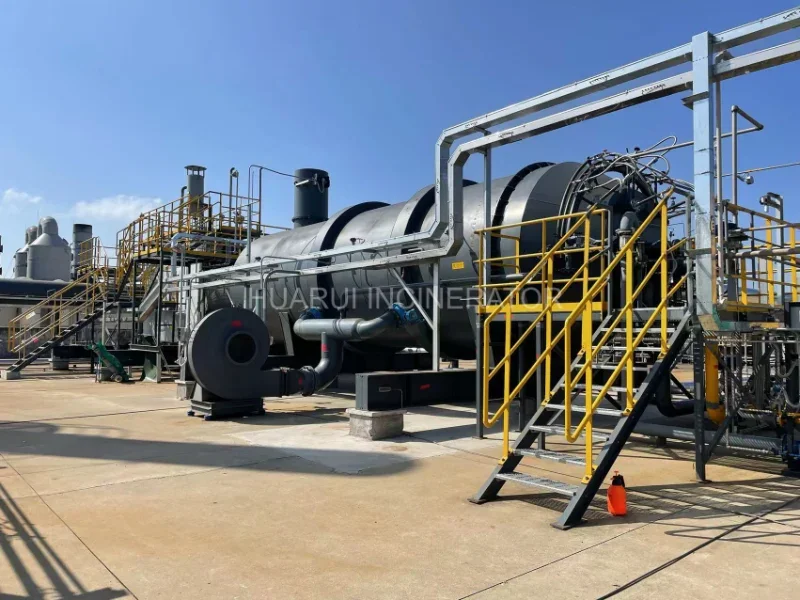
Understanding Direct Combustion Furnaces | ScienceDirect Topics


Are you tired of high energy bills and inefficient heating systems? Imagine a solution that not only saves you money but also reduces your carbon footprint. With a direct combustion furnace, you can achieve both goals effortlessly. Say goodbye to chilly winters and hello to cozy warmth without breaking the bank. Upgrade to a direct combustion furnace today and experience the comfort and cost savings you deserve.
Key Takeaways
Implement Proper Maintenance: Regular maintenance of direct combustion furnaces can ensure optimal performance and longevity, reducing the risk of breakdowns and costly repairs.
Consider Environmental Impact: Understanding the environmental implications of direct combustion furnaces can help industries make informed decisions to minimize emissions and promote sustainability.
Explore Diverse Applications: Direct combustion furnaces find applications across various industries, showcasing their versatility and efficiency in meeting heating needs.
Evaluate Efficiency Factors: Assessing the efficiency of direct combustion furnaces compared to other heating methods can aid in making cost-effective choices for heating solutions.
Address Limitations Mindfully: Recognizing the limitations of direct combustion furnaces, such as potential emissions and energy consumption, can guide users in mitigating drawbacks effectively.
Choose Wisely: When comparing heating methods, consider factors like cost, efficiency, environmental impact, and application suitability to make informed decisions tailored to specific needs.
Understanding Direct Combustion
Definition
Direct combustion is a thermochemical process that involves the burning of biomass materials such as wood, agricultural residues, or organic waste in a controlled environment. This process harnesses the energy stored in biomass to produce heat and other forms of energy.
Conversion Process
During direct combustion, biomass materials are fed into a furnace where they undergo combustion at high temperatures. As the biomass burns, it releases gases such as carbon dioxide, water vapor, and other byproducts. These gases can then be utilized for heat generation or converted into electricity in power plants.
Temperature Range
Direct combustion processes typically operate within a temperature range of 700°C to 1200°C. This high temperature is essential for efficiently breaking down the complex organic molecules present in biomass into simpler compounds through combustion. The intense heat generated during direct combustion ensures complete oxidation of the biomass material, resulting in maximum energy extraction.
How Direct Combustion Works
Biomass Conversion
Biomass energy undergoes a combustion process in furnaces or boilers, converting it into gases through direct combustion. This process involves burning organic materials like wood chips, agricultural residues, or pellets to produce heat.
Importance of Low Moisture Content
Low moisture content in biomass is crucial for efficient direct combustion. High moisture levels can hinder the combustion process by requiring more energy to evaporate the water before actual burning occurs. This delays heat production and reduces overall efficiency.
Pretreatment of Biomass
Pretreating biomass before combustion is essential to optimize the combustion process. This treatment involves reducing the moisture content, increasing the energy density, and enhancing the fuel's physical properties. Common pretreatment methods include drying, grinding, and pelletizing.
Benefits of Direct Combustion Furnaces
Versatility
Direct combustion furnaces offer versatility in handling various types of biomass, from wood chips to agricultural residues. This flexibility makes them suitable for a wide range of applications.
Direct combustion furnaces can efficiently burn different biomass types, such as wood pellets, straw, and corn stover. The ability to utilize diverse feedstocks enhances their adaptability in different settings.
Emission Reduction
One significant advantage of direct combustion furnaces is their potential to reduce CO2 emissions. When used in coal–algae cofiring, these furnaces play a crucial role in lowering greenhouse gas emissions.
Direct combustion technology helps mitigate environmental impact by reducing the release of harmful gases into the atmosphere. This contributes to sustainable energy production practices.
Cost Implications
In terms of cost, direct combustion offers an economically viable solution for energy production. Compared to other methods, such as gasification or pyrolysis, direct combustion is often more cost-effective.
The simplicity of direct combustion systems translates to lower installation and maintenance costs. This makes them a budget-friendly option for businesses and industries seeking efficient energy solutions.
Efficiency and Environmental Impact
Simplified Electricity Production
Direct combustion furnaces offer high efficiency in electricity production due to their simple mechanism. By burning fuel directly, they efficiently generate heat, which is then converted into electricity.
The process involves burning fuel within the furnace, producing high temperatures that heat water into steam. This steam rotates turbines connected to generators, creating electricity. The simplicity of this process contributes to the efficiencies of direct combustion systems.
Environmental Advantages
One significant advantage of direct combustion in electricity generation is its relatively lower environmental impact compared to other methods. By efficiently converting fuel into electricity, these systems help reduce overall energy consumption and greenhouse gas emissions.
Moreover, direct combustion technologies can be designed to meet strict environmental standards, ensuring safety and compliance with regulations. They also contribute to cost savings by optimizing energy use and reducing waste.
Emission Concerns
While direct combustion offers many benefits, it also raises concerns about emissions, particularly nitrogen oxides (NOx). These pollutants are produced during the combustion process and can have detrimental effects on air quality and public health.
To address NOx emissions, modern direct combustion furnaces incorporate advanced technologies like Exhaust Gas Recirculation (EGR) systems. These systems control air pressure and regulate egr mass flow rates, helping reduce nitrogen oxide emissions while maintaining efficiency.
Direct Combustion in Various Industries
Industrial Applications
Direct combustion plays a crucial role in various industries, including manufacturing, energy production, and agriculture. In manufacturing, it is commonly used for heat treatment processes to create products like steel and glass. The energy sector relies on direct combustion for power generation through boilers and turbines. In agriculture, direct combustion fuels equipment such as drying systems for crops.
Boiler Efficiency Enhancement
Direct combustion significantly contributes to improving boiler operation efficiency. By efficiently burning fuel gases like natural gas, boilers can generate more heat with less waste. Properly designed combustion chambers ensure complete combustion, maximizing energy output while minimizing the formation of harmful byproducts like carbon monoxide.
Greenhouse Gas Emissions Reduction
One of the key benefits of direct combustion is its role in reducing greenhouse gas emissions. When combusting fuel gases according to standards set by organizations like the National Fire Protection Association (NFPA) and the International Mechanical Code, the process produces fewer harmful emissions. Adhering to regulations ensures that contractors follow guidelines to minimize environmental impact.
Pros:
Efficient heat generation
Diverse industrial applications
Cons:
Need for proper maintenance and monitoring
Environmental impact if not regulated properly
Applications and Advantages
Feasibility of Coal-Algae Cofiring
Direct combustion furnaces find applications in coal-algae cofiring due to their versatility in handling various fuel types. The process involves burning a mixture of coal and algae, offering a sustainable energy solution. However, studies on its commercial viability remain limited, requiring further exploration.
Lack of Extensive Studies
The integration of coal-algae cofiring in direct combustion systems presents additional requirements for equipment and processes. Despite its potential benefits, the lack of comprehensive research poses challenges in fully understanding its advantages. This highlights the importance of conducting thorough investigations to assess its feasibility effectively.
Need for Heat Integration Options
Direct combustion furnaces play a crucial role in biomass drying by providing the necessary heat for the process. However, optimizing this integration requires detailed analysis of processes to minimize energy losses and enhance overall efficiency. Research focusing on heat integration options is essential to improve the performance of biomass drying systems.
Limitations of Direct Combustion Furnaces
Technical Challenges
Direct combustion furnaces face technical challenges in stratified DISI engines due to complex combustion processes and varying fuel-air mixtures. These challenges impact efficiency and emissions control.
Addressing these challenges requires precise control of fuel injection, air-fuel mixing, and ignition timing to ensure optimal combustion performance. The design complexity of direct vent furnaces adds to the challenge.
High Particulate Matter Emissions
One critical issue with combustion systems like direct vent appliances is the high particulate matter emissions they generate. These emissions pose health risks and contribute to environmental pollution.
Reducing particulate matter emissions from combustion appliances is crucial for meeting regulatory standards and improving air quality. Proper maintenance and regular cleaning of combustion appliances can help mitigate this issue.
Importance of Optimization
Optimizing the design of direct combustion systems is essential for enhancing efficiency gas furnaces and reducing environmental impact. Efficient combustion not only improves heating performance but also lowers operating costs.
Comparing Heating Methods
Cost-Effectiveness
Direct combustion furnaces are known for their cost-effectiveness compared to pyrolysis and gasification methods. The initial investment in a direct combustion system is generally lower, making it a more budget-friendly option for many consumers.
When considering long-term costs, direct combustion also tends to be more economical due to simpler maintenance requirements and lower operational costs. This affordability makes it an attractive choice for those looking to heat their spaces efficiently without breaking the bank.
Efficiency Improvements
Dry fuel utilization in combustion systems has significantly improved efficiency levels. By ensuring that the fuel used is dry, combustion processes can achieve higher heat output with less energy wastage. This improvement not only enhances the overall performance of the heating system but also contributes to reduced energy consumption.
The enhanced efficiency resulting from utilizing dry fuel translates into better heat transfer rates within the furnace, maximizing the heating capacity of the system while minimizing heat losses. This advancement is crucial in optimizing energy usage and promoting sustainable heating practices.
Environmental Impacts
In terms of environmental impacts, direct combustion furnaces have distinct differences from other heating methods. While direct combustion releases emissions directly into the atmosphere, pyrolysis and gasification processes involve converting organic materials into useful products like biochar or syngas, reducing overall environmental harm.
Despite being efficient in producing heat, direct combustion systems can contribute to air pollution through the release of pollutants like carbon monoxide and nitrogen oxides. On the other hand, pyrolysis and gasification technologies offer cleaner alternatives by capturing and utilizing by-products that would otherwise be released into the environment.
Final Remarks
In conclusion, direct combustion furnaces offer a cost-effective and efficient solution for various industries, providing reliable heat generation while considering environmental impacts. Understanding the benefits, applications, and limitations of these furnaces can help you make informed decisions when it comes to selecting heating methods for your operations. By comparing different options available and considering factors like efficiency and environmental sustainability, you can optimize your heating processes to achieve better results.
Take the time to evaluate your heating needs and explore how direct combustion furnaces can enhance your operations. Make sure to consider the specific requirements of your industry and the long-term benefits of investing in efficient heating solutions. Your choice today can lead to improved performance, reduced costs, and a more sustainable approach to heating.
Frequently Asked Questions
What is direct combustion and how does it work?
Direct combustion is a heating process where fuel is burned in the presence of oxygen to produce heat. This heat is then used for various applications such as space heating or industrial processes. The process involves igniting the fuel-air mixture to generate thermal energy efficiently.
What are the benefits of using direct combustion furnaces?
Direct combustion furnaces offer high efficiency in converting fuel to heat, resulting in cost savings. They provide reliable and consistent heating for different industries and applications. These furnaces can be easily integrated into existing systems for improved performance.
In what industries is direct combustion commonly used?
Direct combustion finds applications in industries such as metal processing, food production, chemical manufacturing, and agriculture. These furnaces are versatile and can meet the specific heating requirements of various sectors, making them a popular choice for many businesses.
Are there any environmental impacts associated with direct combustion furnaces?
While direct combustion produces emissions like carbon dioxide and nitrogen oxides, modern furnace designs incorporate advanced technologies to minimize environmental impact. By optimizing combustion processes and utilizing clean fuels, the environmental footprint of direct combustion can be significantly reduced.
How do direct combustion furnaces compare to other heating methods?
Compared to indirect heating methods, direct combustion offers higher efficiency due to minimal heat loss. It provides faster response times and precise temperature control, making it ideal for applications requiring immediate and accurate heating solutions. Direct combustion also simplifies the overall heating process for enhanced productivity.
Related news

Contact us