
Clear records
history record

News
Portable Incinerators | Understanding Waste Management Solutions


A portable waste incinerator offers a powerful solution to waste management challenges. Unlike traditional methods that pile up trash, these compact units efficiently reduce waste on-site. They are perfect for remote areas, construction sites, and emergency situations where waste disposal is critical.
With a portable incinerator, you can minimize environmental impact while saving time and money. These devices are designed for easy transport and quick setup, making them ideal for various applications. Say goodbye to the hassle of landfills and hello to a cleaner, greener alternative. Discover how this innovative technology can transform your waste disposal practices today.
Key Takeaways
Portable incinerators offer a flexible solution for waste management, making them ideal for remote locations or emergency situations.
Utilizing portable incinerators can significantly reduce waste volume, which is beneficial for both environmental protection and cost savings.
Different models serve various applications, so it's essential to choose one that fits your specific waste disposal needs and complies with local regulations.
Familiarize yourself with compliance and regulatory guidelines to ensure safe operation and avoid legal issues when using an incinerator.
Understanding key standards and exemptions can help you make informed decisions about the type of incinerator that best suits your requirements.
Consider the features of mobile and trailer-mounted models for ease of transport, as well as the advantages of containerized solutions for efficient waste management.
Understanding Portable Incinerators
Definition
Portable incinerators are devices designed for waste disposal. They burn waste materials to reduce their volume and eliminate harmful substances. These units are compact and easy to transport. They serve various industries, including medical, agricultural, and disaster management.
Technology
Batch load incineration is a common method used in portable incinerators. This process involves loading waste into the chamber in batches. Once loaded, the waste is ignited. The temperature inside the chamber can reach up to 1,800 degrees Fahrenheit. This high temperature ensures complete combustion of materials.
The efficiency of this method is notable. It minimizes smoke and odor emissions. Advanced systems often include air pollution control devices. These devices help meet environmental regulations. For example, the Elastec SmartAsh incinerator uses innovative technology to improve performance. It features a secondary combustion chamber that enhances burning efficiency.
Versatility
Portable incinerators can handle various types of waste. They are effective for medical waste, food waste, and hazardous materials. Each type of waste requires specific handling procedures. For instance, medical waste must be treated carefully to prevent infection risks.
The containerized mobile incinerator offers flexibility in deployment. It can be set up quickly at remote locations or disaster sites. This feature is crucial during emergencies when traditional waste disposal options are unavailable.
Different models cater to specific needs. The SmartAsh mobile incinerator is designed for smaller operations but remains highly efficient. It can process up to 50 pounds of waste per hour. This capacity makes it suitable for hospitals or clinics with limited space.
Other models may handle larger loads, making them ideal for industrial applications. They can manage construction debris or agricultural waste effectively.
Benefits
Portable incinerators provide several benefits:
Reduced Waste Volume: Burning waste reduces its size significantly.
Lower Transportation Costs: Less waste means fewer trips to landfills.
Environmental Protection: Properly operated incinerators minimize pollution.
Quick Setup: Easy transportation allows rapid deployment in emergencies.
These advantages make portable incinerators valuable tools for effective waste management.
Benefits of Using Portable Incinerators
Environmental Impact
Mobile incineration offers significant environmental advantages. It reduces waste volume effectively. By burning waste, the total mass can decrease by up to 90%. This reduction helps minimize landfill use, which is vital for protecting land and water resources. Less waste in landfills means fewer harmful emissions and leachate that can pollute the environment.
Moreover, portable incinerators can help manage hazardous materials safely. Items like medical waste or certain chemicals pose risks if not disposed of properly. Incineration destroys these harmful substances, preventing them from entering ecosystems. This process also cuts down on greenhouse gas emissions compared to traditional disposal methods.
Cost-Effectiveness
On-site waste disposal through mobile incineration is often more cost-effective than traditional methods. Transporting waste to distant facilities incurs high costs. Fuel, labor, and time add up quickly. With portable incinerators, organizations can eliminate these expenses. They can dispose of waste right where it’s generated.
Less reliance on landfills saves money in the long run. Landfill fees continue to rise due to space limitations and environmental regulations. By using a portable incinerator, businesses can avoid these costs while still meeting legal requirements for waste management.
Convenience and Mobility
The mobility of portable incinerators makes them incredibly useful in various situations. Remote locations often lack access to proper waste disposal services. Mobile incineration meets the needs of industries operating in these areas, such as construction or mining.
In emergency situations, quick waste disposal is crucial. Natural disasters create large amounts of debris and waste. Portable incinerators can be deployed rapidly to handle this waste efficiently. Their ability to operate in diverse environments allows for immediate action when needed.
Portable incinerators also support disaster relief efforts. They enable organizations to manage medical waste during crises effectively. This capability ensures that communities remain safe from potential health hazards associated with improper waste disposal.
Summary of Advantages
Environmental Benefits
Reduces waste volume by up to 90%.
Destroys hazardous materials safely.
Minimizes landfill use and pollution.
Cost-Effectiveness
Eliminates transportation costs.
Reduces landfill fees.
Meets legal requirements efficiently.
Convenience
Ideal for remote locations.
Supports emergency response efforts.
Quick deployment in disaster scenarios.
Applications in Modern Waste Management
Medical Waste
Portable incinerators play a crucial role in managing medical waste. During health crises, such as pandemics, hospitals generate large amounts of waste. This includes hospital waste like used syringes, contaminated materials, and other hazardous items.
The ability to incinerate these materials on-site is vital. It ensures that they are disposed of quickly and safely. Traditional waste disposal methods may not handle this type of waste effectively. Portable incinerators provide a solution by allowing for efficient waste destruction in real-time. They reduce the risk of infection and contamination.
Many hospitals have adopted portable incinerators to comply with regulations. These regulations require safe disposal methods for medical waste. By using these units, facilities can minimize their environmental impact while ensuring public safety.
Drug Disposal
Law enforcement agencies also utilize mobile incinerators for drug disposal programs. These programs aim to eliminate unused or expired medications safely. Improper disposal can lead to environmental harm and illegal drug use.
Portable incinerators allow police departments to conduct community drug take-back events efficiently. Officers collect unwanted medications from the public and incinerate them on-site. This method prevents drugs from entering landfills or water systems, which can cause toxic emissions.
These programs help raise awareness about the dangers of improper drug disposal. They also provide a safe way for citizens to dispose of their medications without fear of legal repercussions.
Disaster Relief
Portable incinerators are essential in disaster relief efforts as well. In situations like natural disasters, waste management becomes a significant challenge. The accumulation of refuse can create health hazards in affected areas.
Mobile incinerators offer a turnkey waste solution during emergencies. Relief organizations can deploy them quickly to manage small waste items generated by disasters. This includes debris from destroyed buildings or medical waste from field hospitals.
Using portable incinerators helps maintain hygiene in disaster zones. They reduce unpleasant smells and prevent disease outbreaks caused by decomposing waste. By providing immediate waste disposal, these units support recovery efforts in affected communities.
Compliance and Regulatory Guidelines
EPA Regulations
Adhering to EPA regulations is crucial for waste incineration. These guidelines ensure that incinerators operate safely and efficiently. They help minimize harmful emissions. Portable waste incinerators must meet strict standards to protect public health and the environment.
The EPA outlines specific recommendations for emissions control. This includes limits on particulate matter, dioxins, and other toxic substances. Manufacturers like Elastec provide products that comply with these regulations. Their devices are designed to reduce harmful outputs during incineration.
Permits and Documentation
Operating portable incinerators requires necessary permits and documentation. Each state has its own laws governing waste disposal. An operator must apply for permits before starting operations. This process often involves submitting detailed plans about how the incinerator will be used.
Documentation may include safety protocols, operational procedures, and maintenance records. Clinics and hospitals must also keep track of the types of waste they incinerate. For example, collected drugs from drug drop programs need careful handling. Proper records ensure compliance with local regulations.
Legal Consequences
Non-compliance with regulations can lead to serious legal consequences. Law enforcement agencies monitor waste management practices closely. Violations can result in hefty fines or even criminal charges. Facilities found operating without proper permits face severe penalties.
For instance, military installations using portable incinerators must adhere to strict guidelines. Failure to do so can damage reputations and lead to costly lawsuits. Hospitals disposing of illegal drugs improperly may also face legal action. Such cases emphasize the importance of following established laws.
Importance of Compliance
Compliance not only avoids legal issues but also promotes responsible waste management. By following regulations, facilities contribute to a cleaner environment. This is vital for community health, especially in areas near clinics and hospitals.
Organizations can also improve their public image by demonstrating commitment to environmental standards. Using manufacturers like Elastec ensures that their products meet regulatory requirements. This builds trust with stakeholders and the community.
Key Standards and Exemptions
Safety Standards
Portable waste incinerators must meet specific safety standards to operate effectively. The Environmental Protection Agency (EPA) sets guidelines for emissions and operational safety. These standards include limits on particulate matter, dioxins, and other hazardous emissions.
Incinerators should also comply with local regulations. Many states have additional requirements that address air quality and public health. Operators must ensure their equipment meets these standards before use.
Types of Waste
Certain types of waste may qualify for exemptions under specific conditions. For instance, some small-scale operations can burn non-hazardous waste without a permit. This includes yard waste or certain agricultural residues.
Medical waste often has stricter rules. However, in emergencies, portable incinerators can be exempt from certain regulations. This is especially true during natural disasters or public health crises when immediate disposal is necessary.
Third-Party Certifications
Third-party certifications play a crucial role in ensuring compliance with industry standards. Organizations like Underwriters Laboratories (UL) test and certify incinerators for safety and efficiency. These certifications provide assurance to operators and the public about the equipment's reliability.
Having third-party certification can simplify the regulatory process. It shows that the incinerator meets established standards. This can help operators avoid fines or legal issues.
Operational Guidelines
Portable incinerators must follow operational guidelines to ensure safe use. Operators should conduct regular maintenance checks to keep equipment running efficiently. They should also train staff on proper operation techniques.
Documentation is vital. Keeping records of waste types and amounts burned can help demonstrate compliance with regulations. This information is essential during inspections or audits.
Environmental Considerations
Environmental impact assessments are increasingly important. Portable incinerators must minimize their carbon footprint while operating. This includes using advanced technologies that reduce emissions.
Operators should consider alternative methods of waste disposal if incineration poses significant environmental risks. Recycling or composting may be more suitable for certain materials.
Exploring Different Types of Incinerators
Batch Load Incinerators
Batch load incinerators operate in cycles. They process waste in specific batches. This method allows for careful monitoring and control. Operators can ensure optimal burning conditions. These units are often used in smaller settings. They are suitable for medical waste or hazardous materials.
Continuous Feed Incinerators
Continuous feed incinerators work differently. They accept waste continuously without stopping. This design increases efficiency and throughput. They are ideal for larger operations, such as municipal waste management. Continuous systems handle higher volumes of waste effectively. This leads to reduced operational costs over time.
Specialized Incinerators
e incinerators have specialized features. The MediBurn is one example. It is designed for medical waste disposal. This unit ensures safe destruction of sharps and biohazardous materials. Another example is the Drug Terminator. It targets pharmaceutical waste specifically. Both models meet strict regulations for safety and emissions.
Advancements in Technology
Modern incinerators benefit from technological advancements. Enhanced combustion processes improve efficiency. Newer designs use less fuel while burning more completely. Emission control technologies also play a crucial role. These systems reduce harmful pollutants released into the air. For instance, many new incinerators incorporate scrubbers and filters.
Elastec Incinerators
Elastec offers a range of innovative incinerator equipment. Their models include both mobile and stationary options. These machines provide flexibility in waste management solutions. Mobile incineration systems can be deployed where needed most. This adaptability is valuable during emergencies or remote operations.
Heavy Duty vs Small Incinerators
Heavy duty incinerators handle large volumes of waste. They are often used in industrial settings or large municipalities. In contrast, small incinerators serve local businesses or clinics. They offer a compact solution for limited space situations.
Commercial and Municipal Incinerators
Commercial incinerators cater to businesses needing waste disposal solutions. They focus on efficiency and compliance with regulations. Municipal incinerators manage community waste streams effectively. These units often feature advanced technology to minimize environmental impact.
Mini and Compact Incinerators
Mini incinerators are perfect for small-scale applications. They fit easily into tight spaces while still providing effective waste disposal options. Compact incinerators balance size and performance well, making them popular choices for various settings.
Features of Mobile and Trailer-Mounted Models
Design Elements
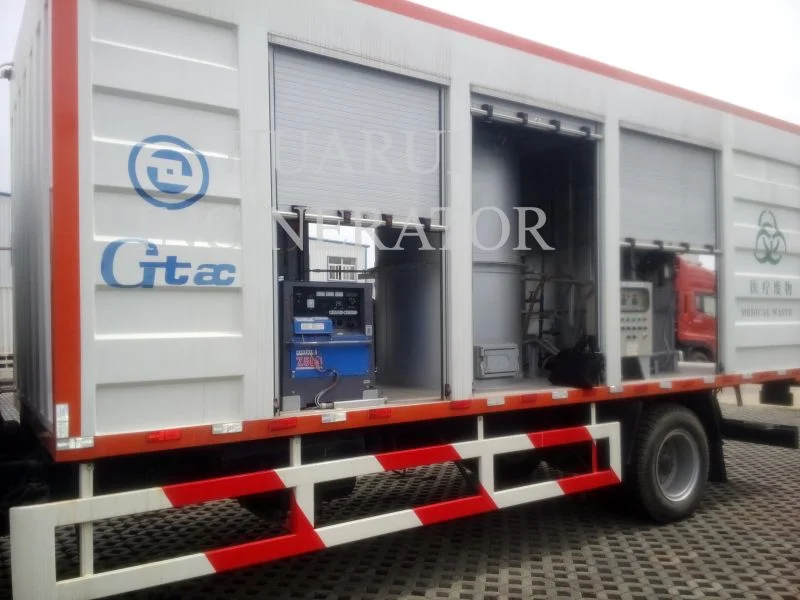
Mobile and trailer-mounted incinerators feature design elements that enhance portability. These units are often lightweight, making them easy to transport. Many models include a built-in towing mechanism. This allows for quick movement between sites.
The compact size of these incinerators enables them to fit in tight spaces. They can be loaded onto trucks or trailers with ease. Some designs include collapsible components, which further reduce their footprint during transport.
Many units have protective covers. These covers shield the equipment from environmental elements. This durability ensures that the incinerator remains functional even in remote locations.
Operational Features
Safety is paramount in mobile incinerator models. These units often come equipped with advanced safety features. For example, they may include automatic shut-off systems. This prevents overheating and potential hazards.
Efficiency is another key aspect of operation. Many mobile incinerators utilize high-temperature combustion technology. This allows for complete waste destruction while minimizing emissions.
Elastec manufactures batch load incinerators that ensure effective waste disposal. These units can handle various types of waste, including medical and industrial refuse. The drop door design simplifies loading processes, making it user-friendly.
Adaptability
Trailer-mounted incinerators provide adaptability for diverse waste management needs. They can be used in various sectors, such as healthcare and construction. Their ability to process different waste types makes them invaluable.
These units can operate in remote locations where traditional waste disposal methods fail. For instance, disaster relief efforts often require portable solutions. Trailer-mounted models allow responders to manage waste efficiently on-site.
Units designed for specific applications offer flexibility in operation. Some can be configured to handle larger loads or specific waste materials like barrels or boxes. This versatility meets the demands of different industries.
In summary, portable waste incinerators combine design efficiency with operational safety and adaptability. Their lightweight nature facilitates transport to remote locations. Advanced features ensure safe and efficient operation across various sectors.
Advantages of Containerized Solutions
Health Benefits
Containerized waste incinerators offer significant health benefits. They minimize the risk of contamination from waste materials. These units effectively reduce harmful emissions through advanced filtration systems. As a result, they protect both public health and the environment.
Properly managed incineration limits the spread of diseases associated with waste. This is especially crucial in areas with limited waste management infrastructure. By ensuring safe disposal, containerized solutions help maintain community well-being.
Easy Deployment
Deployment of containerized incinerators is straightforward. Operators can quickly set them up in various locations, including remote areas. The design allows for easy transportation by truck or ship. This flexibility enables rapid response to waste disposal needs.
Setup usually requires minimal tools and time. Many units come pre-assembled, making them ready for immediate use. This efficiency is vital during emergencies, such as natural disasters or disease outbreaks.
Reduced Footprint
Containerized incinerators have a smaller footprint than traditional models. Their compact size makes them suitable for urban settings where space is limited. They can fit into tight areas without disrupting surrounding activities.
Logistical advantages also arise from their design. Transporting these units is easier due to their standardized sizes. Fewer transport vehicles are needed, reducing costs and environmental impact.
Operational Efficiency
Operational efficiency stands out as another key benefit. Containerized solutions can handle various types of waste, including medical and industrial refuse. Their versatility makes them valuable in different sectors.
These incinerators operate continuously, maximizing throughput. High temperatures ensure complete combustion, minimizing ash residue. This efficiency translates into lower operational costs over time.
Compliance and Regulation
Containerized incinerators often meet strict environmental regulations. They comply with local and international standards for waste management. This compliance helps organizations avoid legal issues related to improper disposal.
Monitoring systems are integrated into many units. These systems track emissions and performance in real-time. Operators can adjust settings to ensure optimal functioning while adhering to regulations.
Summary
Portable waste incinerators are game-changers in waste management. They offer flexibility, efficiency, and compliance with regulations. These devices tackle waste effectively, helping you reduce environmental impact while adhering to key standards. With various models available, you can find the right solution that meets your specific needs.
Investing in a portable incinerator means embracing a sustainable future. It’s not just about disposal; it’s about transforming waste into energy and reducing landfill use. Explore your options today and make a difference in your community. Take action now to enhance your waste management strategy and contribute to a cleaner environment.
Frequently Asked Questions
What is a portable waste incinerator?
A portable waste incinerator is a mobile unit designed to burn waste materials efficiently. It reduces waste volume and minimizes environmental impact, making it ideal for remote locations or emergency situations.
How do portable incinerators benefit waste management?
Portable incinerators offer quick waste disposal, reduce landfill reliance, and lower transportation costs. They also minimize odor and pest issues associated with traditional waste storage methods.
What types of waste can be incinerated?
Most portable incinerators can handle organic waste, medical waste, and certain industrial byproducts. Always check manufacturer guidelines to ensure compliance with local regulations.
Are portable incinerators environmentally friendly?
When used correctly, portable incinerators can be environmentally friendly. They significantly reduce landfill usage and emissions if equipped with proper filtration systems to capture harmful pollutants.
What regulations govern the use of portable incinerators?
Regulations vary by location but generally include emissions standards and operational permits. Always consult local authorities to ensure compliance before using a portable incinerator.
Can I use a portable incinerator in any location?
Not always. Check local laws and zoning regulations before using a portable incinerator. Some areas may have restrictions on burning due to air quality concerns or fire hazards.
What features should I look for in a portable incinerator?
Look for models with efficient combustion technology, portability options (like wheels or trailers), safety features, and compliance with environmental standards. These will enhance usability and ensure regulatory adherence.
Related news

Contact us