
Clear records
history record

News
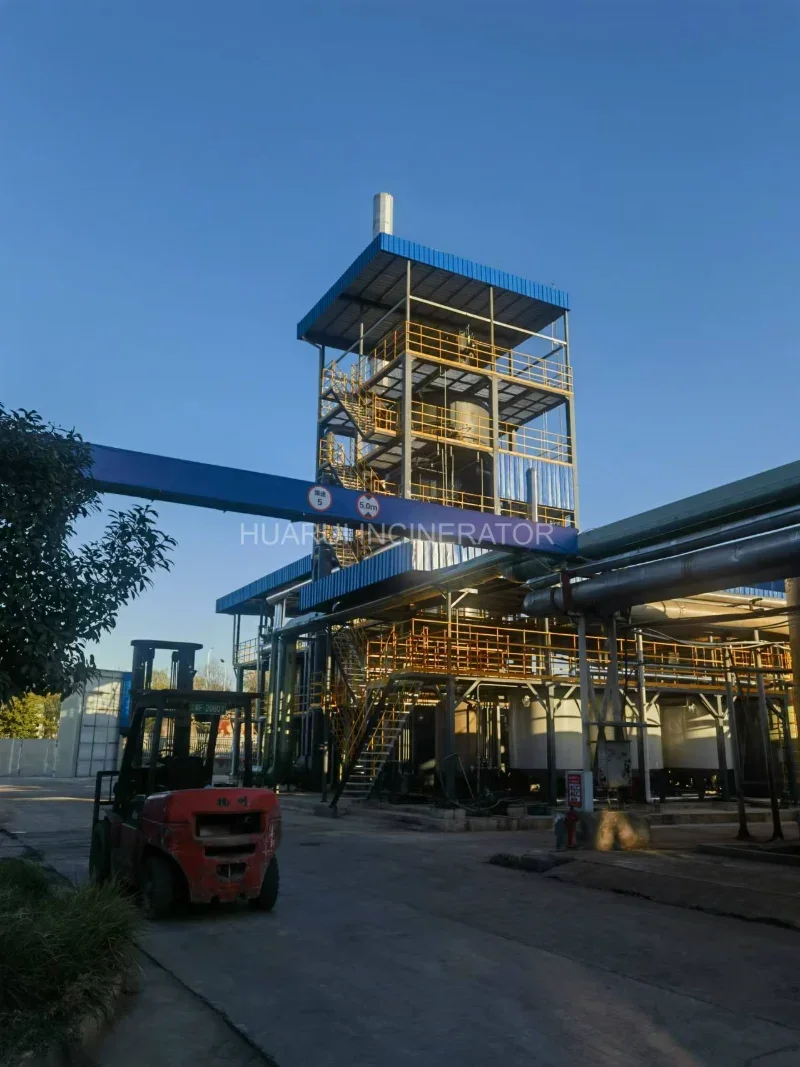
Key Components of a Modern Incinerator System


Modern incinerator systems play a critical role in waste management for industries, municipalities, and healthcare facilities. As environmental regulations become stricter and waste streams more complex, incinerator design has evolved from simple combustion units into integrated thermal treatment systems focused on efficiency, safety, and emissions control. Understanding the key components of a modern incinerator system helps operators, engineers, and decision-makers evaluate performance, reliability, and long-term operating value.
This article explains the major functional elements of a contemporary incinerator, how they work together, and why each component matters in real-world operation.
1. Waste Feeding and Charging System
The incineration process begins with the waste feeding system. A modern incinerator must handle waste safely, consistently, and with minimal operator exposure. Feeding methods vary depending on waste type, capacity, and operating mode.
Common feeding systems include:
Hydraulic ram feeders for solid or containerized waste
Screw feeders for sludge or semi-solid waste
Automatic charging doors for batch operation
The primary goal is to introduce waste into the combustion chamber without excessive air leakage, heat loss, or backfire risk. Poor feeding design often leads to unstable combustion, increased fuel consumption, and safety hazards.
2. Primary Combustion Chamber
The primary combustion chamber is the core of the incinerator. This is where waste is ignited and the majority of thermal destruction occurs. Chamber design directly affects destruction efficiency, ash quality, and system longevity.
Key design considerations include:
Refractory lining to withstand high temperatures and chemical attack
Adequate chamber volume to ensure complete burnout
Controlled air distribution to support stable combustion
Inside the primary chamber, waste is exposed to high temperatures, typically between 800°C and 1,200°C, depending on the waste characteristics and regulatory requirements. A well-designed chamber ensures that waste is fully combusted, leaving minimal unburned residue.
3. Incinerator Burner System
The incinerator burner is essential for system startup, temperature control, and combustion stability. Burners are typically fueled by diesel, natural gas, or LPG, and are designed for reliable ignition and precise flame control.
In practical operation, the incinerator burner serves several functions:
Preheating the combustion chamber before waste introduction
Supporting combustion when waste has low calorific value
Maintaining minimum operating temperature during fluctuating loads
Modern burner systems are integrated with temperature sensors and programmable logic controllers (PLCs), allowing automatic modulation based on real-time conditions. This reduces fuel waste while maintaining regulatory compliance.
4. Secondary Chamber (Afterburner Chamber)
The secondary chamber is one of the most critical components in a modern incinerator system, particularly for meeting emissions standards. Gases leaving the primary chamber may still contain unburned hydrocarbons, odors, or hazardous compounds.
The secondary chamber addresses this by:
Reheating flue gases to high temperatures (often ≥850°C)
Providing sufficient residence time, typically 2 seconds or more
Ensuring thorough mixing of gases and combustion air
By maintaining controlled conditions, the secondary chamber ensures complete oxidation of remaining pollutants. This significantly reduces visible smoke, odors, and harmful emissions before gases enter downstream treatment equipment.
5. Combustion Air and Draft Control System
Efficient incineration depends on precise air management. Modern systems use both primary and secondary air supplies, carefully regulated to support combustion without excessive excess air.
Key elements include:
Forced draft fans to supply combustion air
Induced draft fans to maintain negative pressure
Dampers and valves for fine airflow adjustment
Maintaining negative pressure inside the incinerator prevents gas leakage and improves operator safety. Automated draft control stabilizes combustion, improves thermal efficiency, and protects refractory materials from thermal shock.
6. Flue Gas Cooling and Heat Recovery (Optional)
In many modern installations, flue gas cooling or heat recovery is incorporated to improve energy efficiency and protect downstream equipment. This can take the form of:
Waste heat boilers
Air or water quench systems
Heat exchangers for process or space heating
While not required in all applications, heat recovery can significantly reduce overall operating costs and improve system sustainability when properly engineered.
7. Air Pollution Control System
Air pollution control is a defining feature of modern incinerator systems. Regulations typically require multiple stages of gas cleaning before release to the atmosphere.
Common pollution control components include:
Cyclone separators for particulate removal
Wet or dry scrubbers for acid gas neutralization
Bag filters or electrostatic precipitators for fine particulates
Each component addresses a specific class of pollutants. The configuration depends on waste composition, emission limits, and local regulatory standards. Proper integration ensures compliance while maintaining stable incinerator operation.
8. Chimney and Stack Design
The chimney or exhaust stack provides the final release point for treated flue gases. Its height, diameter, and internal lining are carefully engineered to ensure safe dispersion and prevent corrosion.
A well-designed stack:
Maintains stable draft conditions
Prevents condensation of acidic gases
Supports continuous emissions monitoring when required
Although often overlooked, chimney performance directly affects system stability and regulatory acceptance.
9. Ash Handling and Disposal System
Combustion residues are managed through ash removal systems designed for safety and efficiency. Depending on capacity and waste type, ash may be removed manually or automatically.
Modern ash handling systems focus on:
Minimizing dust and operator exposure
Allowing controlled cooling before disposal
Facilitating compliance with disposal regulations
Proper ash management reduces downtime and extends refractory life.
10. Control and Monitoring System
Automation is central to modern incinerator operation. PLC-based control systems monitor temperatures, pressures, oxygen levels, and burner status in real time.
Key benefits include:
Consistent operating conditions
Reduced operator workload
Improved safety through interlocks and alarms
Advanced systems also enable remote monitoring, data logging, and compliance reporting, which are increasingly important for industrial and municipal operators.
Integrated System Design Matters
While each component has a specific function, the performance of a modern incinerator depends on how well these components work together as a system. Poor integration can lead to unstable combustion, high fuel consumption, and excessive maintenance.
Manufacturers with strong engineering experience focus on system balance rather than isolated components. For example, burner capacity must align with chamber volume, and secondary chamber performance must match pollution control requirements.
For organizations evaluating engineered incineration solutions, reviewing complete system configurations—rather than individual parts—is essential. A practical reference point for integrated designs can be found through specialized manufacturers offering complete systems, such as those featured at
industrial incinerator systems.
Conclusion
A modern incinerator system is far more than a combustion chamber. It is a coordinated assembly of mechanical, thermal, and control components designed to safely and efficiently destroy waste while meeting strict environmental standards. From the incinerator burner and primary chamber to the secondary chamber and emissions controls, each element plays a measurable role in performance and compliance.
Understanding these components allows operators and decision-makers to select systems that are reliable, maintainable, and suited to real operational demands. In today’s regulatory and environmental landscape, thoughtful incinerator design is not optional—it is essential.
Related news

Contact us