cancel
Clear records
history record


News



Please use the browser share function
Share to WeChat
The textile and dyeing industry is one of the largest industrial sectors worldwide, but it also produces significant volumes of waste. From fabric scraps and sludge to chemical residues and contaminated packaging materials, textile factories face constant pressure to manage waste safely and efficiently. Traditional disposal methods such as landfilling are becoming less practical due to stricter environmental regulations and rising disposal costs. As a result, incineration has become an increasingly important solution for textile waste treatment.
For manufacturers seeking reliable waste management systems, a specialized textile waste incinerator can help reduce waste volume, improve environmental compliance, and support cleaner production operations.
Textile production involves several stages, including spinning, weaving, dyeing, printing, washing, and finishing. Each process creates different types of industrial waste, many of which cannot be disposed of through ordinary methods.
Common textile and dyeing waste includes:
Fabric offcuts and rejected materials
Polyester and synthetic fiber residues
Dye sludge from wastewater treatment
Contaminated chemical containers
Printing waste and ink residues
Oily rags and filter materials
Packaging waste contaminated with chemicals
Hazardous wastewater sludge
Unlike general municipal waste, textile industry waste often contains dyes, heavy metals, oils, solvents, and synthetic polymers. These materials can release harmful substances into soil and groundwater if improperly handled.
In addition, many textile wastes have high calorific value due to synthetic fibers such as polyester and nylon, making them suitable for thermal treatment through incineration.
Environmental compliance has become a major operational issue for textile and dyeing companies. Governments worldwide are tightening regulations on industrial emissions, wastewater treatment, and hazardous waste disposal.
Factories that fail to manage waste properly may face:
Environmental fines
Production shutdowns
Export restrictions
Reputation damage
Increased waste transportation costs
Landfilling textile waste is becoming increasingly restricted because synthetic fibers degrade slowly and may release toxic compounds over time. Meanwhile, storing combustible textile waste on-site increases fire risks.
Incineration offers a controlled and regulated method for handling difficult industrial waste while significantly reducing waste volume.
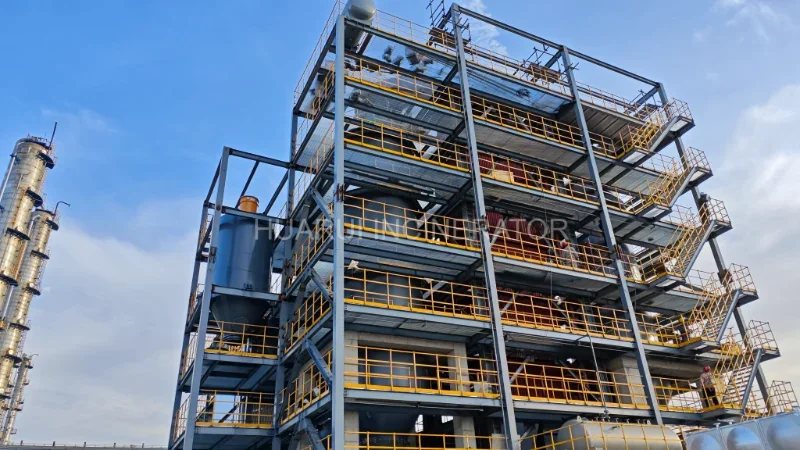
A textile waste incinerator is designed to thermally destroy combustible waste materials at high temperatures. The system converts waste into ash, flue gas, and heat energy through controlled combustion.
The process generally includes several stages:
Textile waste is loaded into the primary combustion chamber. Depending on the waste type, feeding may be manual, semi-automatic, or fully automatic.
Inside the main chamber, waste burns under controlled temperatures. Organic materials break down, reducing waste volume dramatically.
The secondary chamber burns remaining gases and volatile compounds at higher temperatures. This stage helps reduce smoke, odor, and harmful emissions.
Modern incinerators include air pollution control systems that treat exhaust gases before release. Components may include:
Cyclone dust collectors
Wet scrubbers
Bag filters
Activated carbon systems
After combustion, only a small amount of ash remains, making disposal much easier compared to untreated waste.
Incineration can reduce textile waste volume by up to 90%. This helps factories minimize landfill dependency and reduce transportation frequency.
For large-scale textile manufacturers, this reduction can substantially lower waste handling costs over time.
Modern incineration systems are engineered to comply with industrial emission standards. Proper combustion and gas treatment reduce the environmental impact of hazardous textile waste.
This is particularly important for exporters serving international brands with strict sustainability requirements.
Accumulated textile waste can create fire hazards, especially in facilities processing synthetic fibers. Regular waste incineration reduces storage risks and improves plant safety management.
Textile factories often generate mixed combustible waste streams. Incinerators can process a variety of materials, including:
Cotton waste
Polyester scraps
Dye sludge
Packaging waste
Industrial rags
Paper and cardboard
This flexibility simplifies waste management operations.
Some industrial incineration systems can recover thermal energy from combustion. Recovered heat may be used for:
Steam generation
Water heating
Industrial drying processes
Although energy recovery depends on system design and local regulations, it can improve overall operational efficiency.
Not all waste materials are suitable for the same incineration system. Proper waste characterization is essential when selecting equipment.
Common combustible textile industry waste includes:
Offcuts, defective garments, trimming waste, and non-recyclable textiles are commonly incinerated.
Polyester, acrylic, and nylon materials generally have high heating value, making them efficient fuel sources during combustion.
Wastewater treatment plants in textile factories often generate sludge containing dyes and organic compounds. Specialized incinerators can handle dewatered sludge safely.
Certain contaminated absorbents, filters, and packaging materials may require high-temperature destruction.
Factories producing industrial or medical textiles may need to destroy contaminated products securely.
Choosing the right incineration system is critical for operational reliability and regulatory compliance.
Important factors include:
Efficient combustion minimizes unburned residues and reduces emissions.
Textile waste combustion can generate high temperatures. Quality refractory lining protects the combustion chamber and extends equipment lifespan.
A properly designed secondary chamber helps destroy harmful gases and improves environmental performance.
Stable temperature management improves fuel efficiency and combustion consistency.
Effective flue gas treatment is essential for meeting environmental standards.
Factories should select incinerators sized according to daily waste generation volume.
Landfills remain common in some regions, but they create long-term environmental concerns and require large disposal areas.
Synthetic textiles may persist for decades without decomposing completely.
Textile recycling is valuable but not always feasible. Mixed fibers, contaminated fabrics, and chemically treated materials are often difficult to recycle economically.
Open burning is highly polluting and prohibited in many countries. It produces uncontrolled emissions and significant environmental damage.
Modern incineration provides controlled thermal destruction with pollution control systems, making it more suitable for industrial waste management.
Incineration systems are widely used across different textile-related sectors, including:
Garment manufacturing
Textile dyeing plants
Carpet manufacturing
Nonwoven fabric production
Industrial textile processing
Medical textile manufacturing
Leather and synthetic fabric production
Each industry may require customized system configurations depending on waste characteristics.
Before installing an incineration system, factories should evaluate several operational factors.
Understanding waste composition helps determine combustion requirements and equipment specifications.
Emission standards vary by country and region. Factories must ensure the selected system complies with local laws.
Industrial incinerators require adequate installation space for combustion chambers, fuel systems, ash handling, and flue gas treatment equipment.
Some wastes can sustain combustion independently, while others may require auxiliary fuel support during startup or low-calorific operation.
Routine maintenance is essential for maintaining combustion efficiency and extending equipment life.
As sustainability becomes increasingly important, textile manufacturers are exploring more advanced waste treatment technologies.
Future trends include:
Higher-efficiency combustion systems
Improved emission control technologies
Waste-to-energy integration
Automated feeding systems
Smart monitoring and remote diagnostics
Hybrid recycling and incineration strategies
Many global apparel brands now evaluate suppliers based on environmental performance, making effective waste treatment an important competitive advantage.
The textile and dyeing industry faces growing pressure to manage industrial waste responsibly while maintaining efficient production operations. Textile waste often contains complex materials that are difficult to recycle or dispose of safely through conventional methods.
Modern incineration systems provide an effective solution for reducing waste volume, improving environmental compliance, and supporting safer factory operations. With proper combustion technology and emission control systems, textile manufacturers can handle combustible industrial waste more efficiently and sustainably.
For companies seeking dependable waste treatment equipment, Huarui Incinerator offers industrial incineration solutions designed for demanding applications in textile and dyeing operations.
Please use the browser share function
Share to WeChat
Related news

Contact us