
Clear records
history record

News
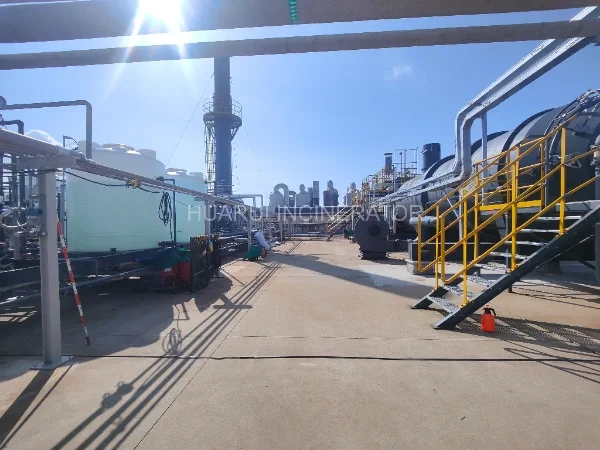
Why Incinerators Fail: Top 10 Causes


Industrial incinerators are designed to operate for many years under demanding conditions. Whether they are used for medical waste, hazardous waste, municipal solid waste, or industrial by-products, reliability is essential. Unexpected failures not only interrupt waste disposal operations but also increase maintenance costs, reduce thermal efficiency, and may lead to environmental compliance issues.
Most incinerator failures are not caused by a single catastrophic event. Instead, they develop gradually because of poor operation, inadequate maintenance, incorrect equipment selection, or neglected wear components. Understanding these common problems allows plant managers and engineers to reduce downtime and extend equipment life.
If you are planning a new project or upgrading an existing facility, selecting proven equipment from an experienced supplier is equally important. Explore Huarui Incinerator's complete range of industrial incinerator products for solutions designed for demanding industrial applications.
1. Incorrect Waste Loading
One of the most common causes of incinerator failure is improper waste loading.
Every incinerator is designed with a specific waste composition, moisture level, calorific value, and loading capacity in mind. Operators sometimes overload the combustion chamber in an attempt to increase throughput, while others feed materials with much higher moisture content than the system was designed to process.
Common loading mistakes include:
Overfilling the primary chamber
Feeding oversized waste without pretreatment
Mixing incompatible waste streams
Excessive moisture content
Rapid continuous feeding without allowing complete combustion
These practices reduce combustion efficiency, create temperature fluctuations, and accelerate wear on refractory materials.
2. Poor Combustion Temperature Control
Stable combustion temperatures are essential for complete waste destruction.
When operating temperatures fall below the design specification, incomplete combustion occurs. This increases soot formation, smoke generation, and carbon deposits inside the furnace.
Conversely, excessive temperatures may damage refractory linings, deform metal components, and shorten burner life.
Operators should continuously monitor:
Primary chamber temperature
Secondary chamber temperature
Flue gas temperature
Burner operating cycles
Oxygen concentration
Modern automatic control systems help maintain stable combustion and reduce unnecessary thermal stress.
3. Refractory Lining Damage
The refractory lining protects the steel shell from extreme heat. It is one of the most critical components inside any incinerator.
Over time, refractory materials naturally deteriorate due to:
Thermal cycling
Mechanical impact
Chemical corrosion
Moisture penetration
Rapid heating and cooling
Small cracks can quickly expand if they are ignored.
Routine inspections should identify:
Surface cracks
Missing bricks
Spalling
Hot spots on the external shell
Loose refractory sections
Replacing damaged refractory before major failure prevents significantly higher repair costs later.
4. Burner Malfunctions
Burners provide the heat necessary to start combustion and maintain operating temperatures.
A burner failure often causes unstable furnace temperatures and incomplete combustion.
Typical burner problems include:
Blocked fuel nozzles
Ignition failures
Worn electrodes
Improper air-fuel ratio
Fuel pressure fluctuations
Preventive maintenance schedules should include burner cleaning, calibration, and performance testing.
Ignoring small burner issues often leads to larger operational failures.
5. Insufficient Air Supply
Combustion requires the correct amount of oxygen.
Many incinerator performance issues result from poor airflow management rather than burner failure.
Problems may include:
Blocked air inlets
Damaged blowers
Malfunctioning dampers
Dirty air filters
Incorrect fan speed settings
Too little air produces incomplete combustion.
Too much air reduces furnace temperature and wastes fuel.
Maintaining the correct combustion air balance improves both efficiency and emissions performance.
6. Inadequate Preventive Maintenance
Many facilities operate incinerators continuously until a breakdown occurs.
Reactive maintenance often costs far more than preventive maintenance.
An effective maintenance program should include:
Daily visual inspections
Weekly burner checks
Monthly lubrication
Refractory inspection
Fan cleaning
Temperature sensor calibration
Door seal inspection
Ash removal
Maintenance records also help identify recurring problems before they become major failures.
7. Ash Accumulation
Ash buildup reduces combustion efficiency and restricts airflow.
If ash is not removed regularly, several issues may develop:
Reduced combustion chamber volume
Poor airflow distribution
Increased refractory wear
Blocked grates
Higher operating temperatures
Some waste streams generate significantly more ash than others, making cleaning frequency especially important.
Operators should follow manufacturer recommendations instead of waiting until visible accumulation becomes excessive.
8. Corrosion of Metal Components
Although combustion chambers operate at high temperatures, many external components remain vulnerable to corrosion.
Corrosion commonly affects:
Flue ducts
Chimneys
Heat exchangers
Structural supports
Access doors
Moisture, acidic gases, and poor shutdown procedures accelerate corrosion.
Protective coatings, appropriate material selection, and regular inspections help extend equipment life.
9. Faulty Instrumentation and Sensors
Modern incinerators rely on accurate instrumentation for safe operation.
If temperature sensors, pressure transmitters, oxygen analyzers, or control systems provide inaccurate readings, operators may unknowingly operate outside safe parameters.
Common instrumentation failures include:
Thermocouple degradation
Wiring damage
Calibration drift
Controller faults
Signal interference
Routine calibration ensures reliable operating data and supports consistent combustion performance.
10. Selecting the Wrong Incinerator for the Application
Some failures begin long before installation.
An incinerator designed for one waste stream may perform poorly when used for another.
Examples include:
Medical waste systems processing industrial sludge
Municipal waste units handling hazardous chemicals
Small-capacity equipment used beyond design throughput
Systems not designed for high-moisture waste
Proper equipment selection should consider:
Waste composition
Daily processing volume
Moisture content
Heating value
Emission requirements
Local regulations
Future expansion plans
Working with an experienced supplier during project planning helps avoid costly design mismatches.
How to Reduce the Risk of Incinerator Failure
Although no industrial equipment is maintenance-free, most failures can be prevented through disciplined operation and maintenance.
Recommended best practices include:
Train operators thoroughly.
Monitor combustion temperatures continuously.
Inspect refractory materials regularly.
Maintain burners according to schedule.
Remove ash before excessive accumulation.
Calibrate sensors periodically.
Record operating data for trend analysis.
Replace worn components before failure.
Use waste within the equipment's design specifications.
Schedule comprehensive annual inspections.
Facilities that follow these practices often experience lower maintenance costs, longer equipment life, and more stable operating performance.
Why Equipment Quality Matters
Even the best maintenance program cannot compensate for poor equipment design.
Industrial incinerators operate under extreme thermal, mechanical, and chemical stress every day. Robust engineering, durable refractory systems, reliable combustion controls, and quality manufacturing all contribute to long-term performance.
Huarui Incinerator provides industrial waste incineration solutions for a wide range of applications, emphasizing combustion efficiency, operational stability, and long service life. Selecting equipment that matches your waste characteristics and operational requirements is one of the most effective ways to minimize unexpected downtime.
Conclusion
Incinerator failure rarely happens without warning. Most issues begin with small operational or maintenance problems that gradually develop into expensive repairs or extended shutdowns.
By understanding the top causes—including incorrect waste loading, refractory damage, burner problems, airflow imbalance, poor maintenance, ash buildup, corrosion, sensor failures, and improper equipment selection—plant operators can significantly improve reliability and reduce lifecycle costs.
A proactive maintenance strategy, combined with properly engineered equipment, helps ensure safe operation, regulatory compliance, and dependable waste treatment performance for years to come.
Related news

Contact us