

News
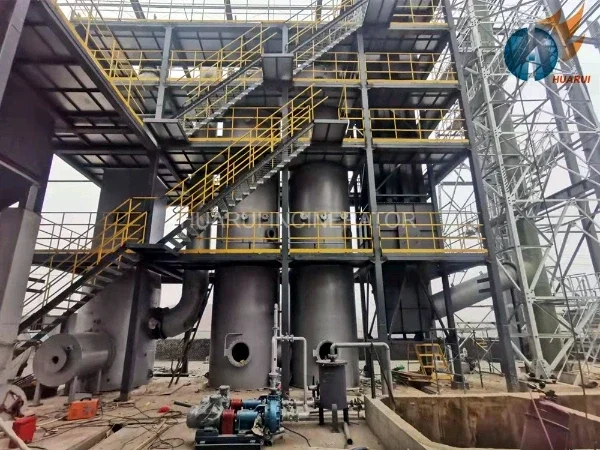
Installation Process of Industrial Incinerators: A Step-by-Step Guide for Industrial Projects


Industrial incinerators are widely used in chemical plants, pharmaceutical factories, hazardous waste treatment facilities, medical waste disposal centers, and other industrial operations that generate combustible waste. However, purchasing an industrial incinerator is only one part of establishing an effective waste treatment system. Proper installation is equally important because it directly affects combustion performance, operational safety, equipment reliability, environmental compliance, and long-term maintenance requirements.
The incinerator installation process involves several interconnected stages, including project assessment, equipment selection, site preparation, foundation construction, equipment positioning, mechanical assembly, pipeline connections, electrical installation, system commissioning, and operator training. Each stage requires coordination between equipment manufacturers, engineering contractors, construction teams, and the facility owner.
Different incinerator configurations also have different installation requirements. A rotary kiln incinerator designed for hazardous solid waste, for example, involves a different installation arrangement from a liquid waste incinerator, waste gas direct combustion furnace, or regenerative thermal oxidizer (RTO). Therefore, installation planning should always be based on the actual waste characteristics, treatment capacity, plant layout, and applicable environmental regulations.
This guide explains how industrial incinerators are installed, what preparation is required, which technical details should be checked, and how industrial operators can reduce installation risks before starting commercial operation.
1. Conduct a Project Assessment Before Incinerator Installation
The first step in an industrial incinerator installation project is to understand the waste treatment requirements and operating conditions of the facility. Installing equipment without sufficient project assessment may result in an unsuitable layout, inadequate supporting facilities, or difficulties during commissioning.
Before finalizing the installation plan, the project team should collect the following information.
1.1 Identify the Waste Characteristics
Waste characteristics determine the incinerator configuration, combustion system, feeding equipment, and exhaust gas treatment requirements.
Important parameters include:
Waste type: solid waste, liquid waste, waste gas, sludge, or mixed industrial waste.
Waste composition: organic compounds, inorganic substances, moisture, ash, and other components.
Heating value: the amount of energy released during combustion.
Moisture content: the proportion of water contained in the waste.
Ash content: the amount of solid residue remaining after combustion.
Chemical properties: corrosiveness, volatility, toxicity, and potential reactivity.
Waste generation rate: the average and maximum amount of waste produced per hour or per day.
Variations in composition: whether the waste characteristics change between production batches.
For example, pharmaceutical factories may generate waste solvents, contaminated packaging, reaction residues, and other combustible materials. Chemical plants may produce waste liquids, process gases, and solid residues with different combustion characteristics.
These materials cannot always be handled by the same feeding arrangement or combustion process. Understanding the waste composition helps engineers determine whether a rotary kiln, liquid waste incinerator, solid waste incinerator, or another configuration is appropriate.
1.2 Determine the Required Treatment Capacity
The required treatment capacity should be calculated based on actual waste generation rather than relying only on average production figures.
Engineers should consider:
Normal hourly waste generation.
Maximum waste generation during peak production.
Daily and annual operating schedules.
Expected future production expansion.
Required maintenance and downtime periods.
Waste storage capacity before treatment.
For continuous industrial operations, the incinerator should be capable of handling the planned waste volume without creating an excessive accumulation of untreated materials.
The feeding system, combustion chamber, ash discharge equipment, and exhaust gas treatment system must also be designed to match the required processing capacity.
1.3 Evaluate the Factory Layout
The installation location should provide sufficient space for the complete incineration system, not just the main furnace.
A typical industrial incineration project may include:
Primary combustion chamber.
Secondary combustion chamber.
Waste feeding equipment.
Fuel supply system.
Combustion air fans.
Flue gas cooling equipment.
Exhaust gas purification equipment.
Induced draft fan.
Chimney or exhaust stack.
Ash collection and discharge equipment.
Electrical control cabinet.
Operator access platforms and maintenance areas.
The project team should review equipment dimensions, transportation routes, lifting access, maintenance clearances, and connections to existing factory utilities.
It is also important to evaluate nearby buildings, combustible materials, drainage arrangements, ventilation, and emergency access.
The final layout should follow the approved engineering drawings and local safety and environmental requirements.
2. Select the Appropriate Industrial Incinerator
Equipment selection should be completed before detailed installation engineering begins. Different industrial incinerators have different structural configurations, operating requirements, and supporting systems.
Selecting the correct equipment helps prevent unnecessary modifications during installation.
2.1 Rotary Kiln Incinerator
A rotary kiln incinerator is commonly used for industrial hazardous waste, pharmaceutical waste, chemical residues, sludge, and mixed solid waste.
Its main combustion chamber is a rotating cylindrical structure lined with refractory materials. Waste moves through the kiln as the cylinder rotates, allowing it to be heated and mixed during combustion.
A complete rotary kiln installation may involve:
Rotary kiln body and supporting rollers.
Driving motor and transmission system.
Primary and secondary combustion chambers.
Waste feeding equipment.
Burner assemblies.
Ash discharge equipment.
Flue gas cooling and purification equipment.
Because of its relatively complex mechanical structure, rotary kiln installation requires particular attention to foundation accuracy, equipment alignment, rotating components, and transmission system adjustment.
2.2 Solid Waste Incinerator
Solid waste incinerators are designed to treat combustible solid materials generated by industrial production, medical facilities, and waste treatment operations.
Installation requirements depend on the feeding method, furnace structure, combustion arrangement, and ash discharge design.
The installation team should pay particular attention to the feeding platform, waste storage area, furnace access doors, ash removal facilities, and operator safety arrangements.
2.3 Liquid Waste Incinerator
Liquid waste incinerators are used in chemical, pharmaceutical, petrochemical, and other industries that generate combustible waste liquids.
The installation typically involves liquid storage tanks, transfer pumps, filtration equipment where required, pipelines, atomizing devices, burners, and combustion control systems.
The pipeline design must consider the liquid's viscosity, corrosiveness, temperature, pressure, and chemical compatibility with the selected materials.
Leak prevention, pressure protection, and reliable flow control are essential during installation.
2.4 Waste Gas Direct Combustion Furnace and RTO System
Waste gas direct combustion furnaces and regenerative thermal oxidizers are used to treat combustible industrial exhaust gases.
Their installation involves gas collection pipelines, combustion equipment, air supply systems, temperature monitoring devices, control systems, and exhaust treatment arrangements.
For RTO systems, engineers must also consider the installation of ceramic heat storage media, switching valves, combustion chambers, and associated ductwork.
The foundation, duct connections, insulation, and control logic should be checked against the equipment design documents before commissioning.
2.5 Comprehensive Incineration Systems
Some industrial facilities generate multiple types of waste, including solid waste, liquid waste, and combustible waste gas.
A comprehensive incineration system may integrate several feeding methods and combustion arrangements into one treatment project.
Such installations require more detailed coordination because different waste streams may have separate storage, transportation, metering, and feeding requirements.
The entire process flow should be reviewed before equipment installation begins.
3. Prepare the Installation Site and Supporting Infrastructure
Site preparation is one of the most important stages of incinerator installation. Even correctly manufactured equipment may encounter operational problems if the installation area does not meet the required structural and utility conditions.
3.1 Prepare the Installation Foundation
Industrial incinerators and their supporting equipment can be heavy, particularly large rotary kiln systems and complete waste treatment lines.
The foundation must be designed according to equipment weight, dynamic loads, operating temperature, vibration, and local geological conditions.
Before construction, engineers should confirm:
Foundation dimensions and elevation.
Concrete strength requirements.
Reinforcement arrangement.
Embedded steel plates and anchor bolt positions.
Equipment centerlines.
Foundation level and flatness.
Drainage and underground pipeline locations.
For rotary kiln systems, foundation accuracy is particularly important because the supporting rollers and driving components must maintain the specified alignment.
Incorrect foundation positioning may lead to uneven loading, abnormal vibration, mechanical wear, and difficulties in equipment adjustment.
Concrete foundations should achieve the required strength before heavy equipment is placed on them. Anchor bolt locations and embedded components should be inspected against the approved drawings.
3.2 Arrange Electrical Power Supply
An industrial incinerator normally contains several electrical consumers, including fans, pumps, feeding equipment, motors, burners, control cabinets, and auxiliary systems.
The electrical installation plan should confirm:
Available power supply capacity.
Voltage and frequency requirements.
Main distribution cabinet configuration.
Cable routes and cable protection.
Grounding and bonding arrangements.
Emergency power requirements, where applicable.
Protection devices and emergency shutdown circuits.
The electrical supply should be suitable for the total installed load and the starting requirements of individual motors.
Power cables should be installed separately from instrument signal cables where required by the engineering design to reduce electrical interference.
All electrical work must comply with local electrical codes and be performed by qualified personnel.
3.3 Prepare Fuel and Utility Systems
Depending on the incinerator design, the system may require natural gas, diesel, other approved fuels, compressed air, cooling water, process water, or other utilities.
The project team should confirm the availability and technical specifications of each utility before installation.
Fuel supply pipelines require appropriate isolation valves, pressure regulation, filtration where necessary, leak detection, and safety interlocks.
Compressed air systems should provide the pressure and flow required by pneumatic valves, actuators, and other equipment.
Cooling water and process water connections should match the equipment's specified operating conditions.
Utility pipelines should be clearly identified and arranged to allow safe inspection and maintenance.
3.4 Prepare Ventilation, Drainage, and Access Facilities
The installation building or outdoor equipment area should provide sufficient ventilation and safe access for operators and maintenance personnel.
The project should include appropriate arrangements for:
Fresh air supply.
Equipment ventilation.
Rainwater drainage.
Process wastewater collection.
Emergency access routes.
Maintenance platforms and ladders.
Fire protection facilities.
Waste storage and temporary handling areas.
Drainage systems should be designed to prevent untreated wastewater, chemical residues, or contaminated cleaning water from entering unauthorized discharge routes.
4. Transport and Unload the Incinerator Equipment
After site preparation, the equipment can be transported to the project location.
Industrial incinerators are often supplied as separate modules because the complete system may contain oversized or heavy components that cannot be shipped as one assembled unit.
Common transportation components include furnace sections, rotary kiln bodies, combustion chambers, burners, fans, pumps, pipelines, electrical cabinets, and exhaust gas treatment equipment.
4.1 Inspect Equipment Before Unloading
Before unloading, the receiving team should compare the delivered equipment with the packing list and shipping documents.
The inspection should cover:
Equipment quantity and model.
Component dimensions and identification numbers.
Visible deformation or transportation damage.
Refractory lining condition.
Motor and electrical component condition.
Accessories, spare parts, and installation tools.
Technical drawings and operation manuals.
Any missing components or visible damage should be documented and reported before installation proceeds.
For equipment with refractory linings, particular care should be taken during transportation and unloading to avoid impact damage.
4.2 Use Appropriate Lifting Equipment
Crane capacity, lifting points, rigging arrangements, and ground conditions should be checked before lifting operations.
The lifting plan should be based on the actual weight and center of gravity of each component.
Only designated lifting points should be used. Lifting equipment must have sufficient rated capacity, and qualified personnel should supervise the operation.
Heavy equipment should not be lifted using unapproved attachment points, pipelines, electrical enclosures, or other components that are not designed to carry lifting loads.
The unloading area should be restricted during lifting operations to prevent unauthorized personnel from entering the work zone.
4.3 Check Equipment Storage Conditions
If installation cannot begin immediately after delivery, equipment should be stored according to the manufacturer's instructions.
Electrical cabinets, instruments, motors, and other sensitive components should be protected against moisture, dust, and physical damage.
Machined surfaces should be protected from corrosion. Open pipeline connections should be sealed to prevent foreign materials from entering the system.
Proper storage helps reduce the risk of damage before commissioning.
5. Position and Assemble the Main Incinerator Equipment
Once the equipment has been inspected and the foundation has been accepted, mechanical installation can begin.
This stage requires close coordination between installation technicians, mechanical engineers, and the project supervisor.
5.1 Position the Main Furnace
The main furnace is generally installed according to the equipment centerline, foundation elevation, and approved layout drawings.
During positioning, the installation team should check:
Horizontal and vertical alignment.
Equipment centerline.
Foundation elevation.
Anchor bolt positioning.
Support structure stability.
Connection points for auxiliary equipment.
Temporary supports may be used where permitted by the installation plan.
After the equipment is positioned, the anchor bolts should be installed and tightened according to the manufacturer's requirements.
Final grouting and fastening should follow the approved construction procedure.
5.2 Install the Rotary Kiln Structure
Rotary kiln incinerators require additional mechanical installation work.
The main steps generally include:
Position the kiln support structures.
Install the supporting rollers and associated components.
Place the rotary kiln body onto the support system.
Install the driving motor and transmission components.
Check the kiln's centerline and alignment.
Inspect the rotating mechanism and lubrication system.
Perform the required manual or low-speed rotation checks.
The supporting rollers must be correctly positioned to distribute the kiln's load.
The driving system should operate smoothly without abnormal noise, excessive vibration, or mechanical interference.
Alignment tolerances, roller contact conditions, gear engagement, and lubrication requirements should follow the manufacturer's technical specifications.
5.3 Install Combustion Chambers and Burners
The primary combustion chamber, secondary combustion chamber, and burner assemblies should be installed according to the approved process layout.
The installation team should check the burner orientation, mounting position, fuel connection, combustion air connection, and access for inspection.
Burner components should be protected against contamination during installation.
Ignition devices, flame detectors, and associated safety equipment must be installed and connected according to the manufacturer's instructions.
5.4 Install the Feeding and Ash Discharge Systems
The feeding system must match the physical characteristics of the waste being treated.
Solid waste systems may include hoppers, conveyors, hydraulic pushers, feeding chambers, and automatic feeding devices.
Liquid waste systems generally require storage tanks, pumps, filters, and controlled injection or atomization equipment.
Waste gas systems require appropriately designed collection and transportation pipelines.
The ash discharge system should be installed with sufficient access for inspection, cleaning, and maintenance.
All moving parts should be checked for mechanical interference before the system is powered.
6. Install the Flue Gas Treatment System
Flue gas treatment is an essential part of an industrial incineration project. The combustion process produces exhaust gases containing various components that must be managed according to the waste composition and applicable emission requirements.
The flue gas treatment configuration may include cooling equipment, quenching systems, heat exchangers, dust collectors, scrubbers, activated carbon injection, dry or semi-dry treatment equipment, and other pollution control devices.
Not every project requires the same combination of equipment. The treatment process should be determined by engineering calculations, waste characteristics, and local environmental regulations.
6.1 Install Flue Gas Cooling Equipment
High-temperature flue gas may need to be cooled before entering downstream purification equipment.
Depending on the system design, cooling equipment may include waste heat boilers, cooling towers, quenching equipment, or heat exchangers.
During installation, the team should check the gas inlet and outlet directions, expansion arrangements, support structures, insulation, and maintenance access.
Temperature measurement points should be installed at the specified locations to support process monitoring.
6.2 Install Dust Collection Equipment
Dust collectors are used to remove particulate matter from the flue gas.
The installation team should check the equipment orientation, inlet and outlet connections, supporting structures, dust discharge devices, and access doors.
For bag filters, filter bag installation should follow the manufacturer's instructions to prevent damage and ensure proper sealing.
The compressed air supply and pulse cleaning system should also be checked where applicable.
6.3 Install Gas Purification Equipment
Depending on the pollutants present in the flue gas, the purification system may use wet scrubbing, dry reagent injection, semi-dry treatment, activated carbon adsorption, or a combination of processes.
Pipeline connections, pumps, chemical dosing equipment, storage tanks, circulation systems, and wastewater handling facilities should be installed according to the process drawings.
Corrosion-resistant materials should be used where required by the chemical characteristics and operating conditions.
The team should also check access for reagent replenishment, equipment cleaning, and routine inspection.
6.4 Install the Induced Draft Fan and Exhaust Stack
The induced draft fan helps maintain the required gas flow through the incineration and exhaust treatment system.
Its installation requires attention to foundation stability, shaft alignment, vibration isolation, motor connections, and inlet and outlet duct arrangements.
The exhaust stack should be installed according to the approved structural and environmental design.
Its height, structural support, sampling ports, monitoring access, and lightning protection should comply with the applicable project requirements.
7. Complete Pipeline, Electrical, and Instrumentation Connections
After the main mechanical equipment and flue gas treatment components are installed, the project team should complete the supporting pipeline and control system connections.
7.1 Pipeline Installation
Industrial incineration systems may contain fuel pipelines, compressed air pipelines, water pipelines, chemical dosing lines, waste feeding pipelines, and flue gas ducts.
Before connecting each pipeline, technicians should confirm its material, diameter, pressure rating, flow direction, and connection specifications.
Pipeline supports should prevent excessive loads from being transferred to equipment nozzles.
Welding, flange connections, sealing materials, and expansion joints should follow the approved engineering requirements.
After installation, the relevant pipelines should undergo the specified inspection and pressure or leak testing procedures.
7.2 Electrical Connections
Electrical installation should follow the approved wiring diagrams and equipment manuals.
The main control cabinet is generally connected to the motors, pumps, fans, burners, valves, sensors, and other electrical devices.
The team should verify:
Correct cable identification.
Terminal connections.
Motor rotation direction.
Grounding continuity.
Insulation resistance.
Circuit protection.
Emergency stop functions.
Electrical interlock logic.
Electrical testing should be completed before the system enters the commissioning stage.
7.3 Instrumentation and PLC Control System
Modern industrial incinerators commonly use PLC-based control systems to coordinate feeding, combustion, temperature regulation, exhaust gas treatment, and equipment protection.
Depending on the project configuration, the instrumentation may include:
Temperature sensors.
Pressure transmitters.
Differential pressure instruments.
Flow meters.
Level sensors.
Flame detectors.
Gas analyzers.
Motor status monitoring devices.
Emergency shutdown switches.
The PLC program should reflect the actual process configuration.
Input and output signals should be checked individually, and alarm conditions should be verified before the system is operated.
The control system should also include the required safety interlocks to prevent unsafe operating conditions, such as burner ignition under prohibited conditions or continued operation after critical equipment failure.
8. Conduct Pre-Commissioning Inspections
Before introducing fuel or waste into the incinerator, the installation team should complete a systematic inspection.
This stage helps identify mechanical, electrical, and instrumentation problems before hot commissioning.
8.1 Mechanical Inspection
Check whether:
All equipment has been installed in the correct position.
Anchor bolts and fasteners are properly secured.
Rotating components operate without obstruction.
Motors and transmission systems are correctly aligned.
Lubrication systems are ready.
Pipeline connections are complete.
Protective guards are installed.
Maintenance doors and inspection openings are accessible.
For rotary kiln equipment, the rotating mechanism should receive particular attention.
8.2 Electrical and Control Inspection
Check the power supply, grounding, cable connections, circuit protection, control cabinet, and PLC communication.
All emergency stop devices, alarms, and interlocks should be tested.
Instruments should be calibrated or verified according to the commissioning plan.
8.3 Pipeline and Utility Inspection
Fuel, air, water, and chemical supply systems should be inspected and tested.
The project team should confirm that pipelines are clean, connections are secure, and valves are installed in the correct direction.
Leak testing and pressure testing should be conducted according to the applicable design and safety requirements.
8.4 Safety Inspection
Before commissioning, the project team should verify that emergency access routes, fire protection equipment, warning signs, protective barriers, and operator safety facilities are in place.
The work area should be cleared of unnecessary materials and installation tools.
Any outstanding safety issues should be resolved before the equipment is energized or operated.
9. Complete Incinerator Commissioning and Trial Operation
Commissioning verifies whether the installed equipment can operate according to its technical design.
It should be performed by qualified commissioning personnel following the manufacturer's procedures and the approved project commissioning plan.
9.1 No-Load Testing
No-load testing is generally conducted before waste is introduced into the incinerator.
The purpose is to confirm that individual mechanical and electrical components can operate correctly.
Typical checks include:
Motor starting and stopping.
Fan operation.
Pump operation.
Rotary kiln rotation.
Feeding mechanism movement.
Ash discharge equipment operation.
Valve opening and closing.
PLC control response.
Alarm and interlock functions.
During this stage, technicians should monitor vibration, noise, temperature, lubrication, and equipment movement.
Any abnormal conditions should be corrected before proceeding.
9.2 Burner Ignition and Heating
After the required pre-commissioning checks are completed, the burner system can be tested according to the approved ignition sequence.
The furnace should be heated gradually and in accordance with the refractory manufacturer's instructions.
Rapid or uncontrolled heating may cause thermal stress, cracking, or damage to refractory materials.
Temperature sensors, burner controls, flame detection devices, and combustion air systems should be monitored throughout the heating process.
9.3 Waste Feeding and Load Testing
Once the required operating conditions have been achieved, the system can proceed to waste feeding under the approved commissioning procedure.
The initial feeding rate should be controlled rather than immediately operating at full capacity.
Engineers should monitor:
Waste feeding stability.
Furnace temperature.
Combustion air supply.
Oxygen concentration where specified.
Secondary combustion conditions.
Flue gas temperature.
Exhaust gas treatment performance.
Ash discharge conditions.
System pressure and draft.
For liquid waste incinerators, the liquid feeding rate and atomization conditions require particular attention.
For rotary kiln incinerators, kiln rotation, feeding continuity, and ash discharge should be monitored together.
Operating parameters should be adjusted within the equipment's approved operating range to achieve stable combustion and meet the applicable emission requirements.
9.4 Emission Performance Verification
The exhaust gas treatment system should be evaluated under the relevant operating conditions.
Depending on local regulations and project requirements, monitoring may cover particulate matter, acid gases, nitrogen oxides, carbon monoxide, total organic compounds, and other regulated pollutants.
The applicable indicators depend on the waste type, incineration technology, and local environmental standards.
Performance verification should use appropriate monitoring methods and qualified testing personnel.
A successful commissioning process should demonstrate not only that the furnace can burn waste but also that the complete treatment system operates as designed.
10. Operator Training and Handover
Equipment installation is not complete when the machinery starts running. Operators must understand the operating procedures, safety requirements, and routine maintenance tasks before the system is handed over for normal production.
10.1 Basic Operation Training
Operators should receive training on:
Equipment structure and process flow.
Start-up and shutdown procedures.
Waste feeding requirements.
Temperature and pressure monitoring.
Burner operation.
PLC control system operation.
Alarm identification and response.
Emergency shutdown procedures.
Training should be based on the actual installed equipment rather than general operating instructions.
10.2 Maintenance Training
Maintenance personnel should understand the inspection and maintenance requirements of major components.
These may include:
Refractory lining inspection.
Burner cleaning and servicing.
Fan and motor maintenance.
Rotary kiln transmission inspection.
Pump and valve maintenance.
Pipeline leak inspection.
Dust collector maintenance.
Instrument calibration.
Exhaust gas purification equipment inspection.
The manufacturer should also explain the recommended maintenance intervals and the replacement requirements for consumable components.
10.3 Technical Documentation and Project Handover
Before final handover, the project team should organize the relevant technical documents.
These normally include:
Equipment layout drawings.
Foundation drawings.
Pipeline and instrumentation diagrams.
Electrical wiring diagrams.
PLC control documentation.
Equipment operation manuals.
Maintenance instructions.
Inspection and testing records.
Commissioning reports.
Spare parts lists.
Training records.
Complete documentation helps the facility owner manage future maintenance, troubleshooting, and equipment upgrades.
11. Common Problems During Industrial Incinerator Installation
Even when installation follows a planned schedule, certain technical problems may occur. Identifying them early can reduce rework and prevent delays in commissioning.
11.1 Incorrect Foundation Dimensions
If foundation dimensions or anchor bolt positions do not match the equipment drawings, the installation team may have difficulty positioning the equipment.
For large rotary kiln systems, inaccurate foundation construction can also affect alignment and load distribution.
Prevention: Check foundation drawings, centerlines, elevations, and embedded components before concrete construction and equipment delivery.
11.2 Insufficient Installation Space
Some projects allocate space for the main furnace but overlook the supporting equipment and maintenance areas.
This can make it difficult to install fans, pumps, flue gas treatment equipment, or pipelines.
Prevention: Review the complete equipment layout and reserve adequate space for installation, inspection, maintenance, and future replacement.
11.3 Inadequate Utility Capacity
Insufficient electrical capacity, unstable fuel supply, or inadequate compressed air can prevent the system from operating reliably.
Prevention: Calculate utility requirements during the engineering stage and verify the actual supply conditions before equipment installation.
11.4 Improper Pipeline Connections
Incorrect pipeline routing, unsuitable materials, inadequate supports, or poor sealing can cause leakage and operational problems.
Prevention: Follow the approved pipeline drawings and complete the required inspections and pressure or leak tests.
11.5 Insufficient Commissioning Preparation
Starting the equipment without completing mechanical inspections, electrical checks, or safety interlock testing can increase operational risks.
Prevention: Use a documented pre-commissioning checklist and ensure that all critical items have been verified before hot commissioning.
11.6 Lack of Operator Experience
Operators who are unfamiliar with the control system may have difficulty responding to alarms, abnormal temperatures, or changes in waste composition.
Prevention: Arrange practical training before handover and establish written operating and emergency procedures.
12. How Long Does Industrial Incinerator Installation Take?
The installation period varies according to equipment size, system complexity, site conditions, and the scope of the engineering work.
A compact waste incinerator with relatively simple supporting equipment may require less installation work than a complete hazardous waste treatment line containing a rotary kiln, secondary combustion chamber, waste feeding system, flue gas purification equipment, and automated control system.
Several factors influence the project schedule.
Equipment configuration: A system with multiple combustion chambers, feeding devices, and exhaust gas treatment units requires more assembly and connection work.
Foundation preparation: Foundation construction, concrete curing, and embedded component inspection must be completed before heavy equipment installation.
Transportation conditions: Oversized equipment and international transportation may affect delivery and unloading arrangements.
Site readiness: Incomplete buildings, insufficient utility connections, and unfinished supporting facilities can delay installation.
Local regulatory requirements: Required inspections, environmental approvals, and commissioning procedures may influence the final handover schedule.
For accurate project planning, the manufacturer and installation contractor should prepare a project-specific schedule covering site preparation, equipment delivery, mechanical installation, electrical connections, commissioning, and operator training.
13. What Should Buyers Confirm With an Incinerator Manufacturer Before Installation?
For overseas industrial buyers, installation planning should begin before the equipment is shipped. Early communication with the manufacturer can reduce misunderstandings and help the local engineering team prepare the site correctly.
Before confirming the installation arrangement, buyers should ask the manufacturer about the following issues.
13.1 What Installation Documents Are Provided?
Confirm whether the supplier can provide equipment layout drawings, foundation drawings, installation instructions, pipeline connection details, electrical diagrams, and control system documentation.
These documents are necessary for preparing the installation site and coordinating local contractors.
13.2 Is On-Site Installation Guidance Available?
Some industrial incinerators can be installed by local contractors with manufacturer-provided drawings and technical support. More complex systems may require experienced technicians or manufacturer engineers to provide on-site installation guidance.
The required arrangement should be confirmed according to project complexity.
13.3 How Is Commissioning Supported?
Buyers should understand who is responsible for mechanical inspection, electrical testing, burner commissioning, control system adjustment, trial operation, and performance verification.
Remote technical support and on-site commissioning assistance may be arranged depending on project requirements.
13.4 Is Operator Training Included?
Ask whether the manufacturer provides operating instructions, maintenance guidance, technical training, and troubleshooting support.
For industrial waste treatment facilities, operator training is an important part of establishing safe and consistent operation.
13.5 What Happens After Equipment Handover?
Long-term support should be considered during supplier evaluation.
Buyers should confirm the availability of technical consultation, spare parts, maintenance recommendations, warranty procedures, and follow-up service.
A supplier that understands the complete project process can help reduce coordination difficulties between equipment delivery, installation, commissioning, and subsequent operation.
14. Huarui Incinerator: Installation and Commissioning Support for Industrial Waste Treatment Projects
Choosing an industrial incinerator manufacturer involves more than comparing equipment specifications. The manufacturer's engineering experience, customization capabilities, installation guidance, commissioning support, and after-sales service all influence the success of the project.
Huarui Incinerator specializes in the development and manufacturing of industrial waste treatment equipment for different industrial applications. Its product range includes rotary kiln incinerators, solid waste incinerators, liquid waste incinerators, waste gas direct combustion furnaces, RTO regenerative incinerators, comprehensive incinerators, and medical waste incinerators.
These systems serve industries such as chemical manufacturing, pharmaceuticals, hazardous waste treatment, petrochemicals, and other industrial sectors that require controlled waste disposal.
For different project requirements, Huarui provides technical support throughout the project lifecycle, including:
Preliminary project feasibility assessment.
Waste treatment process analysis.
Equipment selection and customized system design.
Engineering and equipment manufacturing.
Installation guidance and technical coordination.
System commissioning and debugging.
Operator training.
After-sales technical support and follow-up service.
For overseas customers, installation arrangements can be coordinated according to the equipment configuration and actual site conditions. Technical documentation, video support, and online guidance can assist local installation teams. For larger or more complex systems, on-site engineering guidance can also be discussed according to project requirements.
The objective is to help customers establish a complete waste treatment system that matches their waste characteristics, processing capacity, operating conditions, and applicable environmental requirements.
15. Frequently Asked Questions About Industrial Incinerator Installation
Q1: Can an industrial incinerator be installed at an existing factory?
Yes. An industrial incinerator can often be installed at an existing factory if the site has sufficient space, structural capacity, utility supply, and the necessary regulatory approvals.
However, the existing factory layout should be evaluated before equipment selection. Engineers need to check foundation conditions, transportation access, electrical capacity, fuel supply, ventilation, drainage, and connections to existing production facilities.
Some projects may require modifications to the existing building or supporting infrastructure.
Q2: Does an industrial incinerator require a special foundation?
Yes. Industrial incinerators generally require foundations designed according to their weight, structural configuration, operating loads, and installation conditions.
Large rotary kiln systems require particular attention to foundation strength, support positions, and alignment.
Foundation dimensions and construction requirements should be determined using the manufacturer's approved drawings and project engineering calculations.
Q3: Can the equipment be installed by the customer's local engineering team?
In many projects, local engineering contractors can complete civil construction, mechanical assembly, electrical connections, and pipeline installation.
However, the work should follow the manufacturer's technical documents and installation requirements.
For complex systems, manufacturer technicians may need to provide installation guidance, inspect critical connections, and assist with commissioning.
Q4: What inspections are required before starting an incinerator?
Before start-up, the project team should inspect the mechanical installation, electrical connections, fuel supply, pipelines, instrumentation, control system, safety interlocks, and supporting utilities.
The equipment should also undergo the required no-load tests before burner ignition and waste feeding.
The exact inspection procedure depends on the equipment design and applicable local regulations.
Q5: Why is commissioning important after installation?
Commissioning confirms whether the complete incineration system operates according to its design requirements.
It helps identify problems involving equipment alignment, combustion control, feeding stability, temperature regulation, exhaust gas treatment, and automatic control functions.
Proper commissioning also provides an opportunity to train operators and verify that the system is ready for normal operation.
Q6: How can overseas buyers receive installation support?
Overseas buyers can coordinate with the manufacturer before equipment shipment to obtain installation drawings, technical documentation, and site preparation instructions.
Depending on the project, support may include online technical consultation, video guidance, remote troubleshooting, and on-site engineering assistance.
Early communication is recommended because installation requirements can vary significantly between different equipment configurations and destination countries.
Conclusion
Industrial incinerator installation is a systematic engineering process that requires careful coordination between equipment design, civil construction, mechanical assembly, electrical installation, pipeline connections, commissioning, and operator training.
The most important preparation work begins before the equipment arrives. Understanding waste characteristics, confirming treatment capacity, preparing the installation foundation, checking utility availability, and reviewing the complete equipment layout can prevent many common installation problems.
During installation, equipment alignment, pipeline integrity, electrical safety, and the correct connection of the flue gas treatment system should receive particular attention. After mechanical and electrical inspections, controlled commissioning and performance verification are necessary before the system enters regular operation.
For industrial buyers, selecting a manufacturer with both equipment manufacturing capabilities and project installation experience can make the entire process more manageable.
Huarui Incinerator provides industrial waste incineration equipment and project-related technical services, covering preliminary assessment, customized design, manufacturing, installation guidance, commissioning, training, and after-sales support. Whether the project involves solid waste, liquid waste, waste gas, hazardous waste, or mixed industrial waste, the installation plan should be developed around the actual treatment requirements and site conditions.
A well-planned incinerator installation provides a reliable foundation for safe operation, stable waste treatment performance, and long-term equipment service.
Related news

Contact us