
Clear records
history record

News
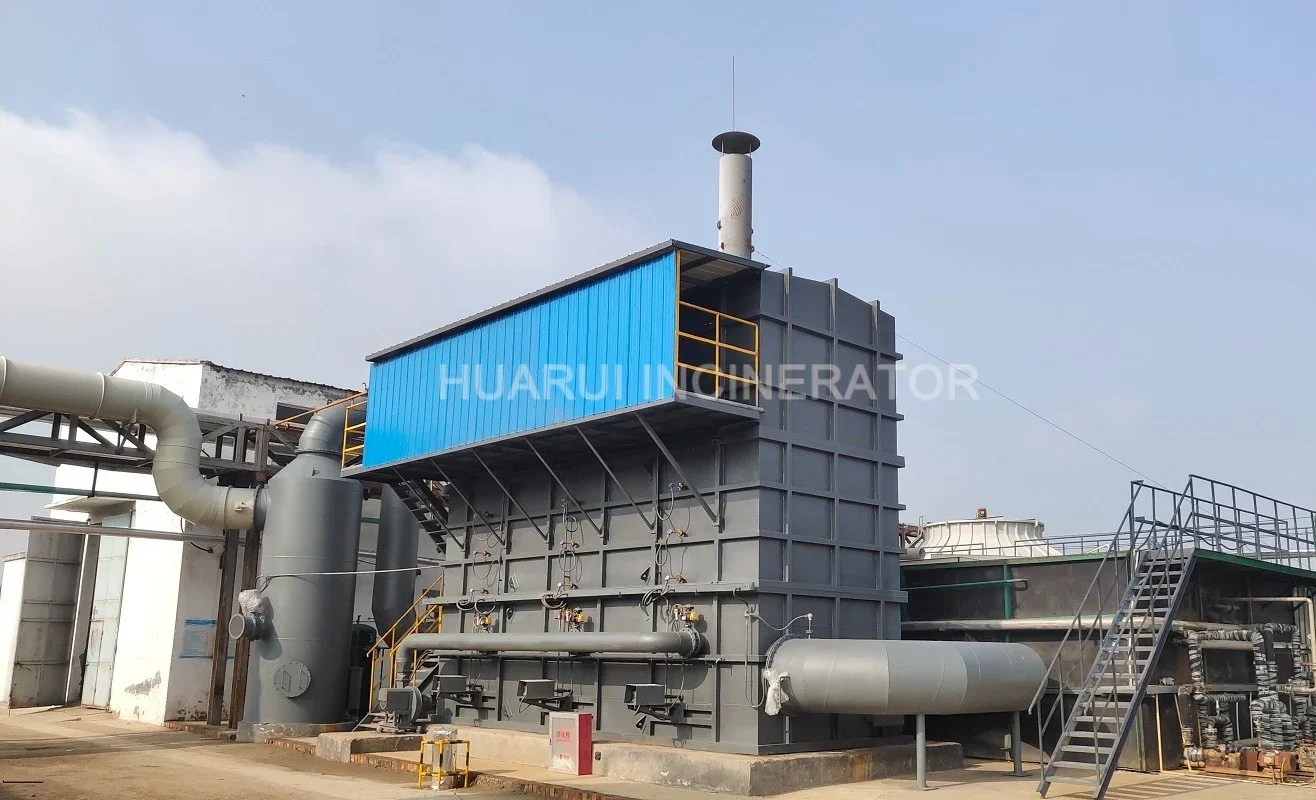
How Organic Waste Gas RTO Regenerative Incinerators are Revolutionizing Waste Management


Revolutionizing waste management may not be the first thing that comes to mind when you think of incinerators, but organic waste gas RTO regenerative incinerators are changing the game. Gone are the days of traditional waste management methods that often contribute to pollution and environmental harm. With the advent of these innovative incinerators, we have a sustainable solution at our fingertips. In this blog post, we'll explore how these advanced machines work, their numerous benefits, and how they can revolutionize waste management for businesses across industries. So buckle up and get ready to discover how organic waste gas RTO regenerative incinerators are making waves in the world of sustainability!
The Problem with Traditional Waste Management Methods
Traditional waste management methods have long been a staple in our society, but they come with their fair share of drawbacks. One major problem is the sheer volume of waste that ends up in landfills, taking up valuable space and contributing to pollution. Landfills emit greenhouse gases such as methane, which significantly contribute to climate change.
Another issue lies in the incomplete combustion process used by some incinerators, leading to the release of harmful pollutants into the air we breathe. These pollutants can include dioxins, furans, and heavy metals that pose serious health risks for both humans and wildlife.
Furthermore, traditional waste management methods often fail to efficiently extract any potential value from organic waste materials. Instead of utilizing this resource through recycling or composting, it is simply discarded without considering its potential as a renewable energy source or nutrient-rich fertilizer.
Moreover, transporting waste over long distances adds additional costs and carbon emissions to an already unsustainable system. This reliance on fossil fuels for transportation further exacerbates environmental issues.
In conclusion, traditional waste management methods fall short when it comes to sustainability and efficiency. It's time for a new approach – one that maximizes resource recovery and minimizes environmental impact. Enter: organic waste gas RTO regenerative incinerators!
What is an RTO Regenerative Incinerator?
An RTO Regenerative Incinerator, also known as a Regenerative Thermal Oxidizer, is an innovative waste management technology that provides a sustainable and efficient solution for treating organic waste gases. This advanced system utilizes high temperatures to remove harmful pollutants from the gas stream through thermal oxidation.
At its core, an RTO consists of multiple ceramic beds or heat exchangers packed with specialized media. These beds alternate between absorption and regeneration cycles to effectively capture and incinerate volatile organic compounds (VOCs) present in the waste gas. During the absorption phase, VOC-laden air passes through one bed where it releases heat energy to preheat the incoming untreated gas. The clean air then flows into another bed while the first one enters into regeneration mode.
The regenerative cycle involves heating up the saturated media using a burner or auxiliary fuel source. As hot combustion gases pass through the bed, they strip away adsorbed contaminants and oxidize them into harmless byproducts like water vapor and carbon dioxide. This process not only purifies the exhaust stream but also recovers thermal energy for reuse within the system.
One notable advantage of RTO regenerative incinerators is their exceptional destruction efficiency, typically surpassing 99%. They are capable of handling large volumes of organic waste gases at various flow rates without compromising performance. Furthermore, these systems can be customized to meet specific emission regulations and accommodate diverse industrial applications such as chemical manufacturing, pharmaceuticals, food processing, and automotive industries.
Investing in an RTO offers numerous benefits for businesses seeking sustainable waste management solutions. Not only do these systems help companies comply with environmental regulations by minimizing air pollution emissions; they also provide significant cost savings through energy recovery mechanisms that reduce fuel consumption.
In addition to their environmental advantages, RTO regenerative incinerators offer operational flexibility with automated controls for optimal performance monitoring and adjustment based on real-time conditions. They require minimal maintenance due to their robust design and can adapt to varying waste gas compositions.
Benefits of Using Organic Waste Gas RTO Regenerative Incinerators
Organic waste gas RTO regenerative incinerators have revolutionized waste management in a number of ways. These incinerators offer a highly efficient and environmentally friendly solution for disposing organic waste gases. By using the regenerative thermal oxidation process, they can effectively eliminate harmful pollutants from the exhaust stream.
One major benefit is their ability to recover and reuse heat generated during the combustion process. This not only reduces energy consumption but also lowers operating costs for businesses. Moreover, by converting organic waste gases into harmless carbon dioxide and water vapor, these incinerators help reduce greenhouse gas emissions and mitigate climate change impacts.
Additionally, organic waste gas RTO regenerative incinerators are known for their reliability and durability. They are designed to handle high temperatures and corrosive substances commonly found in industrial settings. The advanced control systems ensure smooth operation while minimizing maintenance requirements.
Furthermore, these incinerators provide flexibility in terms of capacity and scalability. They can be customized to meet specific needs, allowing businesses to efficiently manage varying volumes of organic waste gases as their operations grow.
The benefits of using organic waste gas RTO regenerative incinerators include improved air quality, energy efficiency, cost savings, environmental sustainability, reliability, durability, and flexibility in operations. It's no wonder that many industries are turning to this innovative technology for effective waste management solutions!
How to Choose the Right RTO for Your Business
Choosing the right RTO (Regenerative Thermal Oxidizer) for your business is a crucial decision that can greatly impact waste management efficiency. With so many options available in the market, it's important to consider certain factors before making a choice.
Assess your business needs and requirements. Consider the volume of organic waste gas generated by your operations and determine the desired destruction efficiency. This will help you narrow down your search to RTOs that meet your specific criteria.
Next, evaluate the design and technology of different RTO models. Look for features such as heat recovery systems, energy efficiency, and ease of maintenance. A well-designed RTO should be able to handle varying flow rates and provide consistent performance.
Consider the reputation and experience of manufacturers or suppliers. Check if they have a track record of delivering high-quality equipment and providing reliable customer support. Reading reviews or seeking recommendations from industry peers can give you valuable insights.
Don't forget about cost considerations too! Compare prices among different suppliers while considering long-term operational costs like energy consumption and maintenance expenses.
Ensure compliance with environmental regulations by choosing an RTO that meets emission standards set by local authorities or industry bodies.
By carefully evaluating these factors, you'll be one step closer to selecting an RTO system that aligns with your business goals while effectively managing organic waste gas emissions!
FAQs about Organic Waste Gas RTO Regenerative Incinerators
1. How does an organic waste gas RTO regenerative incinerator work?
Organic waste gas RTO regenerative incinerators utilize a thermal oxidation process to convert harmful organic gases into harmless byproducts. The system consists of multiple chambers filled with ceramic media, which allows for efficient heat transfer and oxidation. As the exhaust gas passes through these chambers, it heats the media, releasing clean air into the atmosphere.
2. Are organic waste gas RTO regenerative incinerators environmentally friendly?
Yes! These incinerators are designed to minimize environmental impact by effectively destroying harmful pollutants in exhaust gases. They help reduce air pollution and prevent noxious emissions from being released into the atmosphere.
3. Can an organic waste gas RTO regenerative incinerator handle different types of organic wastes?
Absolutely! These systems are versatile and can handle various types of organic wastes such as solvents, odorous compounds, volatile chemicals, and more. They offer flexibility in adapting to different industries' specific needs.
4. What is the lifespan of an organic waste gas RTO regenerative incinerator?
The lifespan of an RTO depends on several factors including maintenance practices and operational conditions. With proper care and regular inspections, these systems can last for decades while maintaining their efficiency.
5. Are there any regulations or permits required for using an organic waste gas RTO regenerative incinerator?
Regulations regarding emission control vary across regions and industries; therefore, it's crucial to consult with relevant authorities or environmental agencies before installing an RTO system. Permits may be necessary depending on your location and the type of industry you operate in.
Conclusion: Why Investing in an RTO is a Gamechanger for Waste Management
When it comes to waste management, traditional methods are quickly becoming outdated. The challenges of handling organic waste gas require innovative solutions that can address environmental concerns while still being cost-effective. This is where Organic Waste Gas RTO Regenerative Incinerators enter the picture.
These state-of-the-art incinerators offer numerous benefits that make them a gamechanger for waste management. By utilizing advanced technology and regenerative processes, they can effectively eliminate harmful pollutants from organic waste gas streams. This not only helps protect the environment but also ensures compliance with stringent air quality regulations.
The key advantages of using Organic Waste Gas RTO Regenerative Incinerators include their high efficiency in capturing and destroying volatile organic compounds (VOCs) and hazardous air pollutants (HAPs). They are also energy-efficient, as they recover and reuse heat generated during the combustion process, reducing overall fuel consumption.
Additionally, these incinerators have a smaller carbon footprint compared to other waste management methods since they minimize greenhouse gas emissions by converting them into harmless substances such as water vapor and carbon dioxide.
Choosing the right RTO for your business requires careful consideration of factors such as capacity requirements, operating costs, maintenance needs, and regulatory compliance. It's essential to consult with experts who can guide you through the selection process based on your specific industry needs.
In conclusion, investing in an Organic Waste Gas RTO Regenerative Incinerator is a wise decision for businesses seeking sustainable waste management solutions. By harnessing cutting-edge technology to efficiently treat organic waste gases while minimizing environmental impact, these incinerators offer a revolutionary approach to handling complex industrial emissions.
Related news

Contact us