

News
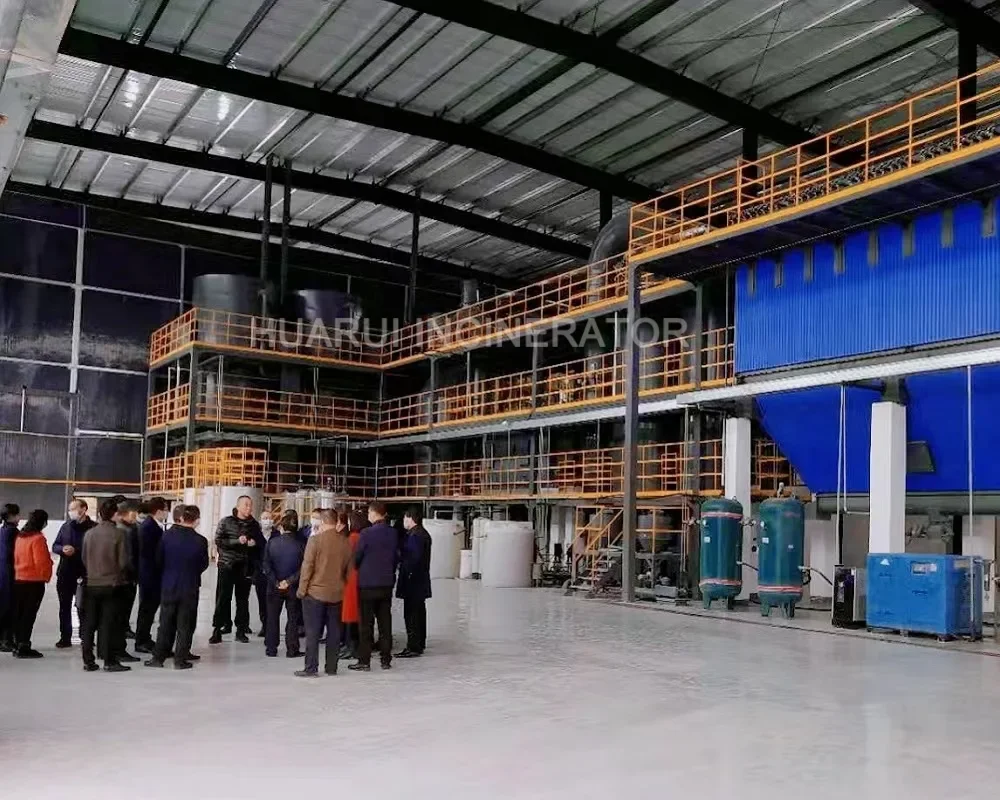
Incinerators for Pharmaceutical Manufacturing Waste


Pharmaceutical manufacturing generates a wide range of waste streams, many of which require controlled disposal methods due to their chemical complexity, toxicity, and potential environmental impact. From expired raw materials and contaminated packaging to solvent residues and biological by-products, pharmaceutical waste cannot simply be sent to standard landfills or municipal treatment systems.
For manufacturers operating under strict environmental and compliance requirements, a pharma waste incinerator remains one of the most practical and reliable solutions for safe disposal. Modern incineration systems are designed not only to reduce waste volume, but also to destroy hazardous compounds while minimizing emissions and operational risks.
As global pharmaceutical production continues to expand, waste management has become a more critical part of plant operations. Companies now need disposal systems that support environmental compliance, operational continuity, and long-term sustainability goals at the same time.
Why Pharmaceutical Waste Requires Specialized Disposal
Unlike general industrial waste, pharmaceutical manufacturing waste often contains active chemical ingredients, volatile organic compounds, toxic residues, antibiotics, solvents, and contaminated materials. Some waste streams may also contain combustible or infectious components.
Improper disposal creates several risks:
Groundwater contamination
Toxic air emissions
Chemical reactions during storage
Public health hazards
Regulatory violations
Long-term environmental liability
In many countries, pharmaceutical waste is classified as hazardous industrial waste, requiring controlled destruction methods with verified treatment efficiency.
Incineration is widely used because it can:
Destroy hazardous organic compounds at high temperatures
Reduce waste volume significantly
Handle mixed waste streams
Prevent secondary contamination
Support regulatory compliance
For pharmaceutical manufacturers handling sensitive materials daily, incineration offers a controlled and traceable disposal process.
Types of Pharmaceutical Manufacturing Waste
A pharmaceutical production facility may generate multiple categories of waste simultaneously. Each type presents different treatment challenges.
Chemical Waste
This includes solvents, reagents, intermediates, and expired chemicals used during production. Many of these substances are flammable or toxic.
API Residues
Active pharmaceutical ingredients (APIs) require complete destruction to prevent environmental contamination or unauthorized reuse.
Packaging Waste
Contaminated packaging materials such as drums, liners, filters, and plastic containers often cannot enter regular recycling channels.
Biological Waste
Biotech and vaccine manufacturing may generate biological residues, culture media, or contaminated disposable materials.
Wastewater Sludge
Treatment systems often produce sludge containing chemical residues that require thermal treatment before disposal.
Off-Spec Products
Rejected or expired pharmaceutical products must be destroyed securely to protect both compliance and brand integrity.
How a Pharma Waste Incinerator Works
A pharmaceutical waste incinerator uses controlled high-temperature combustion to destroy hazardous waste materials safely and efficiently.
Most systems include several core sections:
Primary Combustion Chamber
Waste is loaded into the primary chamber, where combustion begins under controlled oxygen conditions. Temperatures are typically maintained between 800°C and 1000°C depending on waste composition.
Secondary Combustion Chamber
The secondary chamber ensures complete destruction of gases, smoke, and organic compounds. Temperatures often exceed 1100°C with sufficient retention time to break down harmful emissions.
Air Pollution Control System
Modern incinerators include emission treatment systems such as:
Wet scrubbers
Bag filters
Cyclone separators
Activated carbon systems
Acid gas neutralization units
These components help reduce particulate matter, acidic gases, and volatile emissions before exhaust release.
Ash Handling System
After combustion, residual ash is collected for safe disposal according to local hazardous waste regulations.
For pharmaceutical facilities handling variable waste streams, system stability and combustion control are essential for consistent operation.
Key Features to Look for in a Pharma Waste Incinerator
Not all industrial incinerators are suitable for pharmaceutical applications. Waste characteristics in this sector require more advanced combustion and emission control capabilities.
Important considerations include:
High Destruction Efficiency
The system should achieve complete combustion of hazardous compounds and active pharmaceutical ingredients.
Stable Temperature Control
Consistent chamber temperatures are critical for safe destruction and emission management.
Multi-Waste Compatibility
Pharmaceutical plants often generate liquid, solid, and semi-solid waste simultaneously. Flexible feeding systems improve operational efficiency.
Low Emission Design
Compliance with environmental regulations requires advanced flue gas treatment and optimized combustion technology.
Automated Operation
Automation reduces manual handling risks and improves process consistency.
Durable Refractory Materials
Pharmaceutical waste may contain corrosive compounds that place heavy demands on internal chamber materials.
Continuous Monitoring
Modern systems often include temperature monitoring, pressure control, and emission tracking for operational safety and compliance documentation.
Environmental Compliance in Pharmaceutical Waste Disposal
Environmental regulations surrounding pharmaceutical waste disposal continue to tighten globally. Manufacturers are expected to demonstrate proper destruction of hazardous materials and effective emission control.
Key compliance areas include:
Dioxin and furan control
Particulate emission limits
Acid gas treatment
Waste traceability
Ash disposal management
Continuous combustion monitoring
A properly engineered pharma waste incinerator helps facilities maintain compliance while reducing environmental risk exposure.
Many pharmaceutical companies also conduct internal environmental audits that evaluate waste destruction performance and operational safety standards.
Benefits of On-Site Pharmaceutical Waste Incineration
Some pharmaceutical manufacturers rely on third-party hazardous waste disposal services. However, many facilities are now adopting on-site incineration systems for operational and compliance advantages.
Faster Waste Handling
On-site systems reduce waste accumulation and transportation delays.
Improved Biosecurity
Sensitive pharmaceutical waste remains within controlled facility boundaries.
Reduced Transportation Risk
Hazardous waste transport carries regulatory and safety risks that can be minimized through internal treatment.
Better Operational Control
Manufacturers gain direct oversight of waste destruction procedures and documentation.
Long-Term Cost Stability
Although incineration systems require capital investment, they can reduce recurring outsourced disposal expenses over time.
Reduced Environmental Exposure
Immediate treatment lowers the risk of leakage, contamination, or accidental release during storage and transportation.
Common Applications in Pharmaceutical Manufacturing
Pharmaceutical incinerators are used across different sectors of the industry.
API Manufacturing Plants
Facilities producing active pharmaceutical ingredients generate concentrated chemical waste streams that require high-temperature destruction.
Vaccine Production Facilities
Biological residues and contaminated disposables require controlled thermal treatment.
Research and Development Laboratories
R&D operations often produce small but highly sensitive waste batches.
Contract Manufacturing Organizations
CMOs handling multiple client formulations need flexible waste treatment systems for varying materials.
Pharmaceutical Packaging Facilities
Contaminated rejects and packaging waste often require secure destruction.
Choosing the Right Incinerator Supplier
Selecting the right equipment supplier is as important as choosing the incinerator itself. Pharmaceutical waste treatment systems must operate reliably under demanding conditions while meeting local environmental standards.
When evaluating suppliers, manufacturers typically consider:
Industry experience
Engineering capability
Combustion technology
Emission control expertise
Customization options
Installation support
After-sales service
Spare parts availability
A supplier familiar with hazardous industrial waste applications can provide more practical recommendations for long-term operation.
Manufacturers looking for industrial waste treatment systems can explore the solutions available from pharma waste incinerator specialists at Huarui Incinerator.
The Role of Incineration in Sustainable Pharmaceutical Manufacturing
Sustainability initiatives are reshaping industrial waste management strategies across the pharmaceutical sector. Companies are under increasing pressure to reduce environmental impact while maintaining strict production standards.
Modern incineration technology contributes to these goals through:
Efficient hazardous waste reduction
Controlled emissions management
Safer waste destruction
Reduced landfill dependency
Improved operational accountability
Some advanced systems also integrate waste heat recovery technologies to improve overall energy efficiency.
While incineration is only one component of a broader waste management strategy, it remains an important solution for handling hazardous pharmaceutical residues that cannot be safely recycled or landfilled.
Future Trends in Pharmaceutical Waste Incineration
The pharmaceutical industry continues to evolve, and waste treatment technologies are advancing alongside it.
Several trends are shaping the future of pharma waste incinerator systems:
Smarter Automation
Digital monitoring and remote diagnostics improve operational efficiency and preventive maintenance.
Stricter Emission Standards
Manufacturers are adopting cleaner combustion systems with enhanced gas treatment performance.
Modular System Design
Compact modular incinerators allow easier installation and scalability for expanding facilities.
Energy Recovery Integration
Some systems now recover thermal energy generated during combustion for auxiliary industrial use.
Improved Waste Feeding Systems
Advanced feeding mechanisms help manage diverse pharmaceutical waste streams more safely.
As regulatory expectations rise, pharmaceutical manufacturers will increasingly prioritize waste treatment systems that combine reliability, compliance, and operational efficiency.
Conclusion
Pharmaceutical manufacturing waste presents unique disposal challenges that require specialized treatment solutions. Hazardous chemicals, active compounds, contaminated materials, and biological residues cannot be managed using conventional waste methods.
A well-designed pharma waste incinerator provides controlled high-temperature destruction, reliable emission management, and operational safety for pharmaceutical facilities. Beyond waste reduction, modern incineration systems help manufacturers maintain compliance, protect the environment, and improve waste handling efficiency.
As pharmaceutical production grows globally, effective waste treatment infrastructure will remain a critical part of responsible industrial operations. Choosing the right incineration technology and supplier can help facilities build safer, cleaner, and more sustainable manufacturing processes for the long term.
Related news

Contact us