
Clear records
history record

News
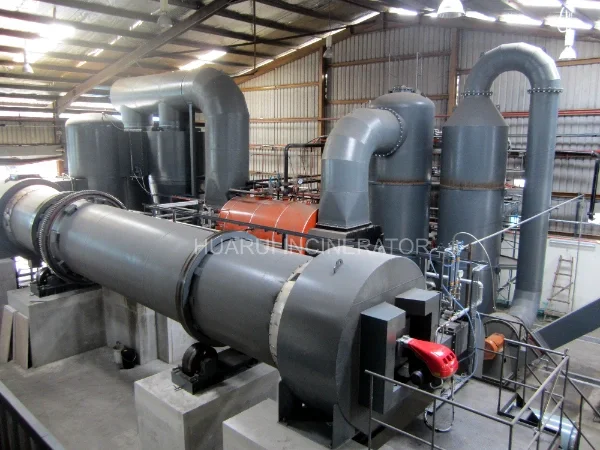
Is Pyrolysis the Future of Waste Management?


Introduction to Pyrolysis Waste Management
In an era where waste management has become a critical global issue, innovative solutions are more important than ever. One such solution gaining traction is pyrolysis waste management. Pyrolysis is a thermochemical process that involves the decomposition of organic materials at high temperatures in the absence of oxygen. This process converts waste into valuable products such as bio-oil, syngas, and biochar, making it a promising alternative to traditional waste disposal methods.
Understanding the Pyrolysis Process
Pyrolysis waste management involves heating waste materials to temperatures typically ranging from 300°C to 900°C. The absence of oxygen prevents combustion, allowing the waste to break down into its constituent elements. The primary products of pyrolysis are bio-oil, syngas, and biochar. Bio-oil can be used as a fuel or refined into chemicals, syngas can be used for energy production, and biochar can be used as a soil amendment or for carbon sequestration.
Types of Pyrolysis
There are several types of pyrolysis, each with its own set of conditions and outcomes:
Slow Pyrolysis: This process occurs at lower temperatures and slower heating rates, producing more biochar and less bio-oil and syngas.
Fast Pyrolysis: This method uses higher temperatures and faster heating rates, yielding more bio-oil and less biochar and syngas.
Flash Pyrolysis: This is an extreme form of fast pyrolysis, using very high temperatures and extremely rapid heating rates to maximize bio-oil production.
Gasification: While not strictly pyrolysis, gasification involves partial oxidation and produces mainly syngas.
Benefits of Pyrolysis Waste Management
Pyrolysis waste management offers several advantages over traditional waste disposal methods:
Environmental Benefits
One of the most significant benefits of pyrolysis is its environmental impact. By converting waste into useful products, pyrolysis reduces the need for landfills and incinerators, both of which have significant environmental drawbacks. Landfills produce methane, a potent greenhouse gas, while incinerators can release harmful pollutants into the air. Pyrolysis, on the other hand, can help mitigate these issues by reducing waste volume and converting it into renewable energy sources.
Economic Benefits
Pyrolysis waste management also offers economic benefits. The products of pyrolysis, such as bio-oil and syngas, can be sold or used to generate energy, creating a revenue stream. Additionally, the process can reduce waste disposal costs by diverting waste from landfills and incinerators. This dual benefit makes pyrolysis an attractive option for both municipalities and private enterprises.
Energy Efficiency
Pyrolysis is an energy-efficient process. The heat required for the process can be generated from the syngas produced, making it a self-sustaining system. This energy efficiency not only reduces operational costs but also minimizes the environmental footprint of waste management.
Applications of Pyrolysis Waste Management
Pyrolysis waste management has a wide range of applications, from municipal waste disposal to industrial waste treatment:
Municipal Waste Management
In urban areas, pyrolysis can be used to manage municipal solid waste (MSW). By converting MSW into bio-oil, syngas, and biochar, cities can reduce the volume of waste sent to landfills and generate renewable energy. This approach not only addresses waste management challenges but also contributes to sustainable urban development.
Industrial Waste Treatment
Industrial waste, including plastics, tires, and agricultural residues, can also be managed through pyrolysis. For example, plastic waste can be converted into valuable chemicals and fuels, reducing the environmental impact of plastic pollution. Similarly, tire pyrolysis can produce oil, steel, and carbon black, which can be used in various industrial applications.
Agricultural Waste Management
Agricultural waste, such as crop residues and animal manure, can be converted into biochar through pyrolysis. Biochar can improve soil fertility and sequester carbon, contributing to sustainable agriculture and climate change mitigation.
Challenges and Future Directions
While pyrolysis waste management offers numerous benefits, it also faces several challenges:
Technological Challenges
One of the main challenges is the need for advanced technology and infrastructure. Pyrolysis requires specialized equipment and expertise, which can be costly and complex to implement. Additionally, the quality and yield of pyrolysis products can vary depending on the feedstock and process conditions, requiring careful optimization.
Regulatory and Policy Challenges
Regulatory and policy frameworks also play a crucial role in the adoption of pyrolysis waste management. Governments need to provide incentives and support for the development and implementation of pyrolysis technologies. This includes funding for research and development, as well as policies that promote waste-to-energy initiatives.
Public Awareness and Acceptance
Public awareness and acceptance are essential for the successful implementation of pyrolysis waste management. Educating the public about the benefits and safety of pyrolysis can help overcome resistance and encourage participation in waste management programs.
Conclusion
Pyrolysis waste management represents a promising solution to the global waste crisis. By converting waste into valuable products, pyrolysis offers environmental, economic, and energy benefits. While challenges remain, continued research, technological advancements, and supportive policies can help overcome these obstacles. As we strive for a more sustainable future, pyrolysis waste management could play a crucial role in transforming waste into a valuable resource.
Related news

Contact us