
Clear records
history record

News

Safeguarding Health and Environment: The Vital Role of Medical Waste Rotary Kiln Incinerators in Responsible Disposal


Introduction to Medical Waste and its Impact on Health and the Environment
Imagine a world where medical waste poses no threat to human health or the environment. A world where responsible disposal methods prevent contamination and ensure a safer future for all. This may seem like an idealistic vision, but it is within our reach thanks to the vital role of medical waste rotary kiln incinerators. In this blog post, we will explore how these innovative technologies are safeguarding our health and environment by effectively disposing of medical waste. Get ready to dive into the fascinating world of rotary kiln incinerators and discover their immense benefits in promoting responsible waste management!
The Importance of Proper Disposal of Medical Waste
Medical waste is a significant concern due to its potential impact on both human health and the environment. Improper disposal of medical waste can lead to the spread of infectious diseases, contamination of water sources, and pollution of the air we breathe. That's why it is crucial to prioritize proper disposal methods for medical waste.
One important aspect of proper disposal is ensuring that medical waste is treated in a way that eliminates any harmful substances or pathogens. This not only protects healthcare workers and others who come into contact with the waste but also prevents contamination of soil, water bodies, and surrounding ecosystems.
A rotary kiln incinerator plays a vital role in responsible disposal by providing an efficient method for effectively treating medical waste. This technology utilizes high temperatures to safely burn off hazardous materials while minimizing emissions.
By using a rotary kiln incinerator for medical waste disposal, healthcare facilities can significantly reduce their environmental footprint while safeguarding public health. These systems are designed to comply with strict regulations and guidelines governing the handling and treatment of medical waste.
Implementing rotary kiln incinerators has proven successful in various healthcare facilities around the world. They have been shown to efficiently handle large volumes of medical waste while maintaining optimal safety standards.
To ensure safe and responsible disposal practices, regulatory bodies establish guidelines that govern every step from collection to final treatment procedures for medical waste management. Adhering to these regulations helps maintain a clean environment free from contamination risks associated with improper handling or storage.
Proper disposal of medical waste is essential for protecting human health and preserving our environment. Utilizing technologies like rotary kiln incinerators ensures effective treatment while minimizing negative impacts on air quality, water resources, and ecosystems. By following established regulations and implementing best practices in this area, we can collectively contribute towards creating safer surroundings for everyone.
What is a Rotary Kiln Incinerator?
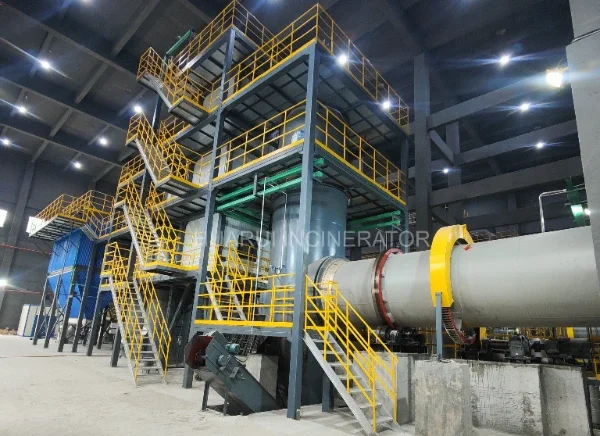
A rotary kiln incinerator is a specialized piece of equipment used for the safe and efficient disposal of medical waste. It consists of a cylindrical chamber, known as the kiln, which rotates slowly on its axis. The waste is fed into one end of the kiln and gradually moves towards the other end as it undergoes thermal treatment.
Inside the kiln, high temperatures are generated through the combustion of fuel or by utilizing electric heating elements. These intense heat conditions help to break down organic materials in the waste and destroy harmful pathogens, ensuring that no infectious material remains.
The design and operation of rotary kiln incinerators make them ideal for handling large volumes of medical waste efficiently. They can process various types of waste, including sharps, pharmaceuticals, contaminated personal protective equipment (PPE), and pathological materials.
Additionally, rotary kiln incinerators have advanced pollution control systems to minimize emissions released during the combustion process. This helps safeguard both human health and environmental well-being.
With their ability to handle diverse types of medical waste effectively while adhering to strict safety standards, rotary kiln incinerators play a vital role in responsible disposal practices within healthcare facilities worldwide.
How Does a Rotary Kiln Incinerator Work?
Rotary kiln incinerators play a crucial role in safely disposing of medical waste. But how exactly do these innovative machines work? Let's take a closer look.
At the heart of a rotary kiln incinerator is a large cylindrical drum, often referred to as the kiln. Inside this drum, the medical waste is fed through an inlet chute, where it then encounters high temperatures and intense heat.
As the drum rotates slowly, the waste is subjected to thermal treatment. The combination of heat and agitation ensures that all harmful pathogens and infectious materials are effectively destroyed. This process is known as combustion or incineration.
The intense heat generated within the rotary kiln reaches temperatures between 800°C to 1,200°C (1,472°F to 2,192°F). At such extreme temperatures, organic matter in the medical waste breaks down into harmless ash residue and gases.
To maximize efficiency and minimize environmental impact, many modern rotary kiln incinerators also incorporate secondary combustion chambers. These chambers further reduce emissions by ensuring complete combustion of any remaining pollutants.
Rotary kiln incinerators provide a reliable and effective method for disposing of medical waste while minimizing risks to public health and the environment. Their ability to reach high temperatures ensures thorough destruction of hazardous materials – making them an essential tool for responsible disposal practices in healthcare facilities worldwide.
Advantages of Using a Rotary Kiln Incinerator for Medical Waste Disposal
A rotary kiln incinerator offers numerous advantages when it comes to the responsible disposal of medical waste. These incinerators are highly efficient in reducing the volume of waste generated by healthcare facilities. The high temperatures achieved inside the kiln effectively break down and eliminate organic materials, reducing the overall volume and weight of the waste.
Additionally, rotary kiln incinerators provide a safe and secure method for disposing of potentially hazardous medical waste. These incinerators are designed to operate at very high temperatures, which ensures complete destruction of pathogens and infectious agents present in the waste. This helps protect public health by minimizing the risk of contamination or accidental exposure.
Moreover, rotary kiln incinerators offer environmental benefits as well. By using advanced combustion technology, these incinerators can significantly reduce harmful emissions such as dioxins and furans that may be produced during the burning process. This helps minimize air pollution and contributes to a cleaner environment for both humans and wildlife.
Furthermore, rotary kilns have a long lifespan and require minimal maintenance compared to other disposal methods. Once installed, they can continue operating efficiently for many years without major repairs or replacements. This makes them a cost-effective solution for healthcare facilities looking for sustainable ways to manage their medical waste.
Utilizing a rotary kiln incinerator is advantageous on multiple fronts - from efficient reduction in waste volume to effective pathogen destruction; from minimal environmental impact to long-term cost savings. It is clear that these sophisticated systems play an essential role in safeguarding both human health and our precious environment through responsible medical waste disposal practices.

Examples of Successful Implementation of Rotary Kiln Incinerators in Healthcare Facilities
Healthcare facilities play a crucial role in ensuring the proper disposal of medical waste to protect public health and the environment. One effective method that has been successfully implemented is the use of rotary kiln incinerators.
In one example, a large hospital in a metropolitan area decided to invest in a rotary kiln incinerator system to handle their medical waste. The facility had previously relied on outdated methods such as landfilling and open burning, which posed significant risks to both staff and the surrounding community.
After implementing the rotary kiln incinerator, the hospital experienced numerous benefits. It provided a safe and efficient means of disposing various types of medical waste, including infectious materials and pharmaceuticals. The high temperatures generated within the incinerator effectively destroyed pathogens and reduced hazardous substances to ash.
Additionally, this healthcare facility saw improved air quality as emissions from the incineration process were properly controlled through advanced filtration systems. This not only safeguarded staff members but also prevented pollutants from being released into nearby neighborhoods or water sources.
Furthermore, by investing in this technology, the hospital demonstrated its commitment to responsible waste management practices. It became an example for other healthcare facilities looking for sustainable solutions for medical waste disposal.
These successful implementations showcase how rotary kiln incinerators can significantly enhance healthcare facility operations while prioritizing health and environmental protection. By adopting such systems, hospitals can ensure their compliance with regulations while mitigating potential risks associated with improper medical waste disposal practices
Regulations and Guidelines for Medical Waste Disposal
Regulations and guidelines play a crucial role in ensuring the safe and responsible disposal of medical waste. These measures are put in place to protect both human health and the environment from potential hazards associated with improper handling of medical waste.
In many countries, there are specific laws that govern the collection, transportation, treatment, and disposal of medical waste. These regulations often outline the requirements for healthcare facilities to segregate different types of waste, such as infectious materials or sharps, and ensure they are properly packaged before disposal.
Additionally, guidelines may dictate the use of specific methods for treating medical waste. This is where rotary kiln incinerators come into play. Many regulatory bodies recognize these incinerators as an effective means of destroying pathogens and reducing potentially harmful emissions.
These regulations also set limits on emission levels from incineration processes to minimize air pollution. They may require regular monitoring of emissions to ensure compliance with these standards.
Moreover, regulations often address issues related to storage timeframes for medical waste prior to its final disposal. The aim is to prevent any accumulation that could pose a risk to public health or safety.
By adhering strictly to these regulations and guidelines, healthcare facilities can contribute significantly towards safeguarding our health and environment by effectively managing their medical waste streams.
Conclusion
The proper disposal of medical waste is crucial for safeguarding both public health and the environment. The use of rotary kiln incinerators has emerged as an effective solution for responsibly managing medical waste.
Rotary kiln incinerators offer a reliable and efficient method of disposing of various types of medical waste, including hazardous materials. By subjecting the waste to high temperatures in a controlled environment, these incinerators ensure complete combustion and destruction of harmful pathogens.
The advantages of using rotary kiln incinerators are numerous. They provide a safe and environmentally-friendly alternative to landfilling or improper disposal methods, reducing the risk of contamination and pollution. Additionally, they can handle large volumes of waste efficiently, making them suitable for healthcare facilities with high production rates.
Several successful implementations across healthcare facilities have demonstrated the effectiveness and benefits offered by rotary kiln incinerators. These installations have not only improved waste management processes but also contributed to overall sustainability efforts within the healthcare industry.
Regulations and guidelines play a critical role in ensuring that medical waste is disposed of properly. Healthcare providers must adhere to these standards to protect public health and comply with legal requirements. Rotary kiln incineration technology meets regulatory requirements set forth by environmental agencies due to its ability to achieve complete destruction while meeting emission limits.
By embracing responsible disposal practices such as utilizing rotary kiln incinerators, healthcare facilities can make significant contributions towards creating a safer environment for patients, staff members, communities, and ecosystems alike.
Investing in medical waste rotary kiln incinerator technology is essential for achieving sustainable solutions in healthcare waste management systems. It not only reduces risks associated with infectious diseases but also minimizes environmental impact through proper disposal practices. With continued advancements in this field and strict adherence to regulations, we can create healthier environments while protecting our planet's natural resources
Related news

Contact us