

News
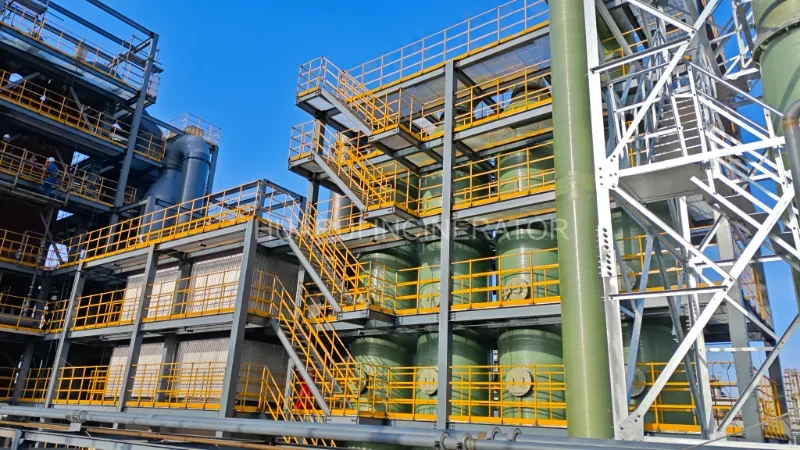
Is Solid Waste Disposal by Incineration the Future of Waste Management?


As global populations grow and urbanization accelerates, the management of municipal solid waste has become one of the most pressing environmental challenges. Among the various waste disposal methods, solid waste disposal by incineration has emerged as a powerful solution with significant advantages. But is it truly the future of sustainable waste management?
In this article, we will explore the science, benefits, challenges, and innovations in incineration technology, particularly through the lens of Yixing Huarui Incinerator Technology Development Co., Ltd., a company at the forefront of incinerator development.
Understanding Solid Waste Disposal by Incineration
Incineration is a thermal treatment process that converts waste materials into ash, flue gas, and heat. Through combustion, organic substances in waste are oxidized, reducing waste volume by up to 90%.
Solid waste disposal by incineration has been widely adopted in countries with limited land availability, such as Japan and parts of Europe. It is increasingly being recognized as a vital component of integrated waste management systems globally.
Yixing Huarui Incinerator Technology Development Co., Ltd. specializes in the design and manufacturing of high-efficiency incinerators, enabling municipalities and industries to implement incineration in a safe and environmentally responsible manner.
Why Choose Incineration Over Landfilling?
While landfills remain common in many regions, they come with long-term environmental risks—such as groundwater contamination, methane emissions, and land degradation. In contrast, solid waste disposal by incineration offers the following advantages:
Drastic Volume Reduction: Reduces waste volume by 70–90%.
Energy Recovery: Generates electricity and heat from waste combustion.
Land Conservation: Minimizes the need for new landfill sites.
Reduced Greenhouse Gas Emissions: Modern incinerators with emission control systems release fewer GHGs compared to decomposing landfill waste.
Yixing Huarui Incinerator Technology Development Co., Ltd. incorporates advanced air pollution control systems in all its incinerator models to ensure emissions meet or exceed international standards.
Technological Advancements in Modern Incineration
Gone are the days when incinerators were considered polluting. Modern incineration technology includes sophisticated systems that minimize emissions, recover energy, and enhance operational efficiency.
Yixing Huarui's incinerators feature:
Automatic feeding and ash discharge systems
High-temperature combustion chambers
Multi-stage flue gas cleaning technologies
Energy recovery and heat exchange modules
These features make solid waste disposal by incineration not only effective but also economically viable in the long run.
Environmental Impact and Emission Control
One of the primary concerns with incineration is the emission of pollutants such as dioxins, furans, and heavy metals. However, strict regulations and technological progress have made modern incinerators highly efficient at controlling these emissions.
Yixing Huarui Incinerator Technology Development Co., Ltd. uses:
Activated carbon injection systems
Baghouse filters
Scrubbers
Continuous emission monitoring systems (CEMS)
These systems ensure that solid waste disposal by incineration complies with environmental regulations and protects public health.
Applications Across Different Waste Streams
Incineration is not limited to municipal solid waste. It is also effective for:
Medical waste
Industrial waste
Hazardous waste
Animal carcasses
Sewage sludge
Yixing Huarui offers tailored solutions to handle each type of waste stream, ensuring optimal performance and safety.
Their incinerators are widely used in hospitals, pharmaceutical plants, slaughterhouses, and urban waste treatment centers, proving that solid waste disposal by incineration can be adapted to diverse needs.
Economic Considerations: Is Incineration Cost-Effective?
While initial investment costs for incineration systems can be high, the long-term economic benefits are significant. These include:
Reduced landfill costs
Revenue from energy production
Lower transportation costs (due to reduced waste volume)
Extended landfill lifespan
Yixing Huarui Incinerator Technology Development Co., Ltd. offers customizable systems that cater to various budget levels, with flexible maintenance and operational support to reduce the total cost of ownership.
Government Support and Policy Trends
Governments worldwide are recognizing the value of solid waste disposal by incineration in their environmental policies. Incentives and regulatory support for waste-to-energy plants are growing, especially in regions facing landfill shortages.
China’s national strategy for ecological civilization strongly supports incineration, and Yixing Huarui is playing an active role by providing cutting-edge solutions aligned with national and international sustainability goals.
Public Perception and Awareness
Historically, incineration was met with skepticism due to concerns about air pollution. However, as technology has evolved, so too has public perception. Educational initiatives, transparency in emission data, and community engagement are helping shift attitudes in favor of incineration.
Yixing Huarui emphasizes transparency and environmental responsibility in every project, fostering trust with local communities and stakeholders. They provide training and operational guidance to ensure the safe and informed use of their incinerators.
Looking Ahead: The Role of Innovation
As the global waste crisis intensifies, solid waste disposal by incineration is poised to become even more critical. Future innovations may include:
AI-powered operational monitoring
Real-time emissions optimization
Advanced heat recovery systems
Decentralized micro-incinerators for remote areas
Yixing Huarui is heavily investing in R&D to push the boundaries of incineration technology, ensuring that their products remain at the cutting edge of sustainability and efficiency.
Conclusion: Is Solid Waste Disposal by Incineration the Future?
Considering the environmental, economic, and technological factors, the answer increasingly appears to be "yes." Solid waste disposal by incineration offers a scalable, sustainable, and scientifically advanced way to manage the ever-growing waste burden.
Companies like Yixing Huarui Incinerator Technology Development Co., Ltd. are leading this transformation, offering reliable, eco-friendly, and customized incineration solutions that meet the demands of modern waste management.
As the world looks toward greener and smarter waste solutions, incineration—once controversial—is now emerging as a key pillar of the circular economy.
Related news

Contact us