
Clear records
history record

News
How to Prepare Waste Before Incineration


Proper waste preparation is a critical step for achieving safe, efficient, and environmentally responsible incineration. Incineration, when conducted with the right technology, can significantly reduce the volume of waste and transform it into energy or ash. However, the effectiveness of an incineration system depends heavily on how waste is handled prior to entering the furnace. This article outlines key steps and best practices for waste preparation, helping facilities optimize performance, comply with regulations, and ensure environmental safety.
Understanding Waste Types
Before preparing waste, it is essential to classify it accurately. Not all waste is suitable for direct incineration. Typical waste streams suitable for incineration include medical waste, municipal solid waste, industrial waste, and hazardous materials under controlled conditions. Each type of waste has specific requirements:
Medical Waste – Items such as contaminated gloves, syringes, and laboratory disposables must be segregated and often require pre-treatment to reduce infection risks.
Industrial Waste – Certain chemical or manufacturing by-products may need to be neutralized or stabilized before incineration.
Municipal Solid Waste – Mixed household waste should be sorted to remove recyclable materials, metals, and non-combustible debris.
Proper classification ensures that the incinerator operates safely and efficiently while minimizing the emission of pollutants.
Segregation and Sorting
Segregation is a foundational step in waste preparation. By separating waste streams, facilities can prevent equipment damage, reduce emissions, and enhance energy recovery. Effective segregation involves:
Separating Combustibles and Non-Combustibles: Metals, glass, and stones can damage the incinerator and reduce combustion efficiency. Removing them beforehand is crucial.
Isolating Hazardous Components: Certain hazardous wastes, such as chemicals with high chlorine content, can produce dioxins if incinerated improperly. These should be handled separately.
Sorting by Size: Large items should be shredded or broken down to ensure uniform feeding and complete combustion.
Advanced incineration facilities often use automated sorting systems, but even manual sorting following strict guidelines can dramatically improve operational outcomes.
Shredding and Size Reduction
Uniform particle size is critical for consistent combustion. Waste shredding and size reduction enhance airflow through the incinerator, allowing for more complete burning and reducing unburned residues. Shredding equipment is commonly used for bulky items such as plastics, cardboard, or large medical waste containers. Benefits include:
Improved combustion efficiency
Reduced risk of blockages in the furnace
Lower emissions of particulate matter
When selecting shredders or grinders, it is important to consider the hardness and moisture content of the waste to avoid equipment strain.
Moisture Control
Moisture content significantly affects the incineration process. High-moisture waste requires more energy for combustion and can lower overall efficiency. Steps to manage moisture include:
Draining Liquids: Liquid waste should be separated or removed before incineration.
Drying Techniques: Some facilities use drying rooms, heated conveyors, or air circulation systems to reduce moisture content in solid waste.
Monitoring Moisture Levels: Continuous monitoring helps adjust the feeding rate to maintain optimal furnace temperatures.
Proper moisture management ensures that the incinerator operates at peak efficiency and reduces the risk of incomplete combustion.
Pre-Treatment of Hazardous and Infectious Waste
Certain wastes, especially in medical or industrial contexts, require pre-treatment to neutralize biological or chemical hazards. Common pre-treatment methods include:
Autoclaving: High-pressure steam can sterilize infectious waste before incineration.
Chemical Disinfection: Liquids or contaminated solids can be treated with chemical agents to reduce pathogenic load.
Stabilization: Hazardous chemicals may need to be mixed with neutralizing agents to prevent toxic emissions.
Pre-treatment is an essential safety step, ensuring compliance with environmental regulations and protecting facility personnel.
Packaging and Containment
Proper packaging minimizes exposure, facilitates handling, and ensures consistent feeding into the incinerator. Guidelines for packaging include:
Use of Fire-Resistant Containers: Metal or heat-resistant plastic containers prevent leaks or rupture during transport to the furnace.
Labeling: Clear labeling of waste types ensures proper segregation and handling.
Volume Management: Avoid overloading containers to prevent spillage or uneven feeding.
Many facilities use sealed containers for infectious or highly hazardous waste to maintain safety from collection to incineration.
Feeding and Loading Strategies
Even the best-prepared waste can cause inefficiencies if feeding strategies are not optimized. Best practices include:
Uniform Feeding: Avoid large surges of waste, which can destabilize combustion temperatures.
Controlled Rate: Adjust feed rate according to furnace capacity and heat release characteristics.
Monitoring System: Modern incinerators often include sensors to monitor combustion and automatically adjust feeding.
Proper feeding ensures complete incineration, maximizes energy recovery, and minimizes emissions of harmful gases.
Equipment Considerations
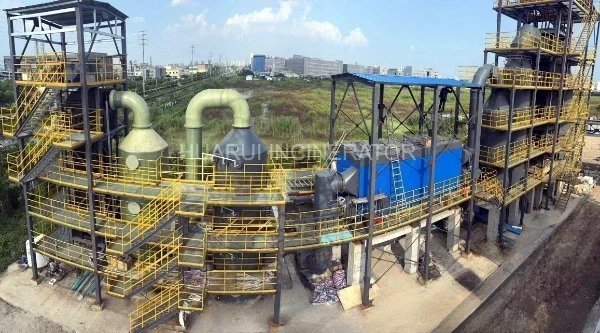
Selecting the right incineration system complements waste preparation. Facilities often rely on advanced moving grate or rotary kiln incinerators for mixed or hazardous waste. These systems tolerate variations in waste composition while providing efficient combustion. For facilities seeking reliable equipment, a comprehensive range of solutions can be found at Huarui Incinerator.
Key equipment features that improve waste preparation outcomes include:
High-temperature combustion chambers for complete burning
Airflow control systems to maintain stable temperatures
Automated feeding and ash removal systems
Investing in proper equipment reduces operational issues, enhances safety, and improves environmental compliance.
Safety and Regulatory Compliance
Waste preparation is not only about efficiency—it is also about safety and compliance. Improper handling of medical, hazardous, or industrial waste can result in severe regulatory penalties and environmental harm. Facilities should follow local, national, and international guidelines, including:
Occupational safety protocols for handling infectious or toxic waste
Environmental emissions standards for incineration
Documentation of waste types, pre-treatment, and disposal processes
Maintaining detailed records and adhering to regulations ensures safe operations and builds trust with authorities and the public.
Continuous Improvement
Waste preparation for incineration is not a static process. Facilities should continuously evaluate and optimize procedures:
Conducting periodic audits of segregation and pre-treatment processes
Monitoring incinerator performance and identifying inefficiencies
Training personnel on best practices and safety measures
Continuous improvement enhances operational efficiency, reduces costs, and ensures that environmental and health standards are consistently met.
Conclusion
Preparing waste before incineration is a critical factor in achieving safe, efficient, and environmentally responsible operations. From classification and segregation to shredding, moisture control, pre-treatment, and proper feeding, every step contributes to optimal combustion, reduced emissions, and regulatory compliance. By investing in careful preparation and modern incineration equipment, facilities can maximize energy recovery while maintaining safety and environmental stewardship. For high-quality incineration solutions, including equipment suitable for a range of waste types, visit Huarui Incinerator to explore available options and specifications.
Related news

Contact us