
Clear records
history record

News
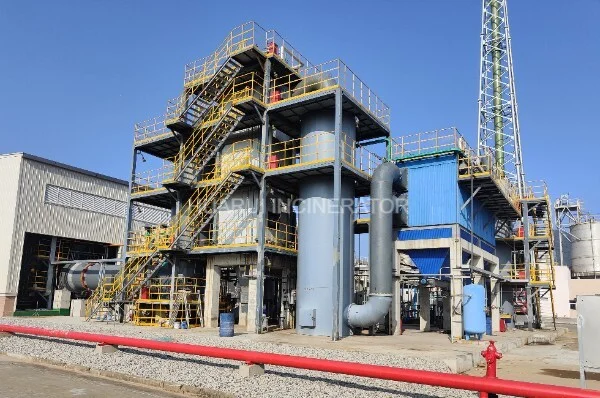
Introduction to Plasma Waste Incinerators: A Revolutionary Waste Management Solution


In the ever-evolving landscape of waste management, the plasma waste incinerator stands out as a cutting-edge technology that promises to revolutionize how we handle waste disposal. This advanced system harnesses the power of plasma, an extremely hot and ionized gas, to break down waste materials at the molecular level. As a result, it offers a more efficient and environmentally friendly alternative to traditional waste incineration methods. In this comprehensive article, we will explore the intricacies of plasma waste incinerators, their benefits, and how they contribute to sustainable waste management practices.
How Plasma Waste Incinerators Work
At the core of a plasma waste incinerator is the plasma torch, a device that generates temperatures exceeding 10,000 degrees Celsius. This high temperature is capable of breaking down almost any type of waste material, from household garbage to hazardous waste. The process begins with the waste being fed into the incinerator, where it is then subjected to the intense heat of the plasma torch. The high heat causes the waste to break down into its basic molecular components, effectively neutralizing any harmful substances and reducing the volume of the waste.
Environmental Benefits of Plasma Waste Incineration
One of the key advantages of plasma waste incinerators is their minimal environmental impact. Unlike traditional incinerators, which can release harmful emissions into the atmosphere, plasma incinerators operate at such high temperatures that any pollutants are broken down into their basic elements, reducing the risk of air pollution. This makes plasma waste incineration a more sustainable option for waste management, particularly in urban areas where air quality is a significant concern.
Energy Recovery from Plasma Waste Incineration
Another significant benefit of plasma waste incineration is its potential for energy recovery. The process of breaking down waste materials releases a considerable amount of energy, which can be harnessed and converted into electricity. This not only reduces the overall carbon footprint of waste management but also contributes to the generation of renewable energy. As a result, plasma waste incinerators can play a crucial role in the transition towards a more sustainable and energy-efficient future.
Comparing Plasma Waste Incinerators to Traditional Incinerators
When comparing plasma waste incinerators to traditional incinerators, several key differences become apparent. Traditional incinerators rely on combustion, which can produce harmful byproducts and emissions. In contrast, plasma waste incinerators use a process that is more akin to gasification, breaking down waste into its molecular components without the need for combustion. This results in fewer emissions and a more complete destruction of waste materials.
The Role of Plasma Waste Incinerators in Hazardous Waste Management
Hazardous waste poses a significant challenge to traditional waste management systems due to its potential to cause harm to both the environment and human health. Plasma waste incinerators are particularly well-suited to handling hazardous waste, as their high temperatures can neutralize even the most dangerous substances. This makes them an essential tool in the safe and effective management of hazardous waste, reducing the risk of contamination and ensuring the protection of both the environment and public health.
Economic Considerations of Plasma Waste Incineration
From an economic standpoint, plasma waste incinerators offer several advantages. The initial investment in such technology can be substantial, but the long-term benefits often outweigh the costs. The energy recovery potential of plasma incineration can offset operational costs, and the reduced need for landfill space can save municipalities significant expenses. Additionally, the potential for selling electricity generated from waste can provide an additional revenue stream, making plasma waste incineration an economically viable option for waste management.
Regulatory Compliance and Plasma Waste Incineration
Regulations surrounding waste management are becoming increasingly stringent, with a focus on reducing emissions and promoting sustainable practices. Plasma waste incinerators are well-positioned to meet these regulatory requirements, as their high-temperature process ensures a high degree of waste destruction and minimal emissions. This makes them an attractive option for facilities looking to comply with strict environmental standards while also improving their waste management practices.
Future Developments in Plasma Waste Incineration Technology
As technology continues to advance, so too does the potential for plasma waste incineration. Researchers are exploring ways to increase the efficiency of plasma incinerators, reduce costs, and further minimize their environmental impact. Innovations in materials science, energy recovery systems, and plasma generation technologies are all areas that hold promise for the future of plasma waste incineration.
Conclusion: The Importance of Plasma Waste Incineration in Modern Waste Management
In conclusion, plasma waste incinerators represent a significant step forward in the field of waste management. Their ability to handle a wide range of waste materials, reduce emissions, and recover energy makes them a powerful tool in the fight against waste and pollution. As the world continues to grapple with the challenges of waste disposal, plasma waste incinerators offer a promising solution that is both environmentally friendly and economically viable.
Related news

Contact us