
Clear records
history record

News
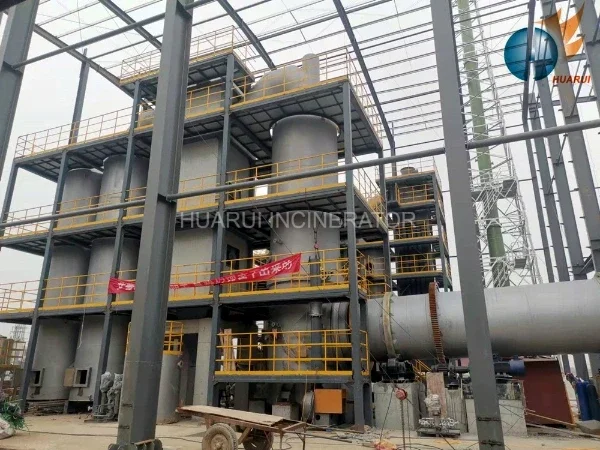
Medical Waste Incinerator: Understanding the Process and Impacts


Health and Environmental Impacts of Medical Waste Incineration
Regulation and Compliance in Medical Waste Incineration Facilities
Case Studies on Successful Medical Waste Incineration Implementation
Future Trends and Sustainable Practices in Medical Waste Incineration
Ever wondered how medical facilities safely dispose of their waste? Enter the medical waste incinerator. This critical equipment plays a vital role in eliminating hazardous medical waste, ensuring public safety and environmental protection. In this post, we'll delve into the world of medical waste incinerators, exploring their functionality, environmental impact, and regulatory significance. From understanding the combustion process to examining emission control systems, we'll uncover the ins and outs of these essential machines. So, are you ready to discover how modern technology tackles the challenge of medical waste disposal while safeguarding our well-being and surroundings?
Understanding the Medical Waste Incineration Process
Overview of Medical Waste Incineration Technology
Medical waste incineration is a crucial process for disposing of hazardous medical waste. The incinerator is a specialized equipment designed to safely burn medical waste through high-temperature combustion. This technology helps in reducing the volume of waste and eliminating harmful pathogens.
The incineration process involves various stages, starting from waste collection to the final disposal of ash. First, the medical waste is collected and transported to the facility where it undergoes segregation based on its type and characteristics. Then, the segregated waste is fed into the incinerator, where it goes through controlled burning at very high temperatures.
This advanced technology ensures that infectious materials are neutralized, and any remaining residues are rendered non-hazardous before being released into the environment. The entire process adheres to strict environmental regulations to prevent air pollution.
Key Steps in the Medical Waste Incineration Process
The medical waste incineration process consists of several key steps essential for safe and effective disposal. Firstly, proper handling and sorting of different types of medical wastes such as sharps, contaminated materials, or pharmaceuticals are crucial before they enter the incinerator.
Next comes combustion - this step involves subjecting the sorted wastes to extremely high temperatures within the incinerator chamber. During this stage, organic materials get completely burnt while hazardous chemicals break down into harmless by-products like water vapor and carbon dioxide.
After combustion, thorough cooling occurs which prevents any release of harmful emissions into the atmosphere after leaving an active state inside an operating incinerator system; finally resulting in sterile ash as output after complete combustion has taken place.
This sterilized ash can then be disposed off safely without posing any threat to public health or environment due to its non-toxic nature post-inceneration completion.
Importance Of Proper Training For Personnel Involved In Medical Waste Incineration
Proper training for personnel involved in medical waste inciniration plays a pivotal role in ensuring safety compliance with regulatory standards throughout all phases from collection up until disposal.
Training equips staff with necessary knowledge about identifying different types of biomedical wastes prior entering them into an incinirator; thus minimizing risks related with mishandling or wrong categorization leading towards potential hazards during treatment processes.
Types of Infectious and Hazardous Medical Waste
Categories of Medical Waste
Medical waste is categorized into different types based on its potential to cause infection or harm. Infectious medical waste includes items like used bandages, cultures, and swabs that may contain pathogens such as bacteria, viruses, or other microorganisms. These materials have the potential to spread infections if not handled properly. On the other hand, hazardous medical waste encompasses items like chemical reagents, pharmaceuticals, and radioactive materials which can pose a threat to human health or the environment.
The segregation of medical waste is crucial in preventing cross-contamination between different types of waste. For instance, infectious waste should be separated from hazardous chemicals to avoid any potential reactions that could further endanger healthcare workers and the environment.
Proper handling and disposal methods are essential for each type of medical waste to ensure safety for everyone involved in its management.
Hazardous Materials in Medical Waste
Hazardous materials commonly found in medical waste include various chemicals such as disinfectants, solvents, heavy metals like mercury from thermometers or batteries, cytotoxic drugs used in chemotherapy treatments for cancer patients among others. Expired pharmaceuticals are also considered hazardous due to their potential environmental impact if not disposed of correctly.
These hazardous materials require special attention during disposal because they can contaminate soil and water sources if not managed properly. Furthermore, improper handling can lead to harmful exposure for healthcare workers who come into contact with these substances regularly.
Segregation Methods for Different Types of Medical Waste Proper segregation methods play a critical role in managing medical waste effectively. For example:
Sharps containers should be dedicated solely for sharp objects like needles and scalpels.
Red bags or containers are specifically designated for infectious wastes.
Yellow containers are used exclusively for hazardous chemical wastes.
This clear differentiation enables healthcare facilities to manage each category appropriately throughout collection, transportation, and final disposal processes.
Health and Environmental Impacts of Medical Waste Incineration
Health Risks
Improper medical waste disposal poses significant health risks to the public. When infectious and hazardous medical waste is not treated properly, it can lead to the spread of diseases and infections. For example, used needles or contaminated dressings can carry harmful pathogens that may cause serious illnesses if they come into contact with individuals. This improper disposal also increases the risk of healthcare-associated infections, posing a threat to both patients and healthcare workers.
Untreated medical waste can result in environmental contamination, leading to adverse effects on human health. The release of pollutants from untreated waste incineration contributes to elevated levels of dioxins and heavy metals in the environment. These contaminants can accumulate in soil, water sources, and even food chains, ultimately exposing humans to these harmful substances through various pathways.
Environmental Impact
The environmental impact of untreated medical waste is substantial. Without proper treatment such as incineration, infectious agents from medical waste could enter ecosystems through soil or water contamination. This pollution has detrimental effects on wildlife populations as well as plant life within affected areas.
When hazardous materials are not appropriately managed before disposal, they have the potential to leach into groundwater sources or be carried by surface runoff during rainfall events. Consequently, this pollution further perpetuates environmental degradation by affecting aquatic habitats and potentially endangering aquatic species.
Benefits of Controlled Incineration
Controlled medical waste incineration offers numerous benefits for public health and the environment alike. By subjecting medical waste to high temperatures within an incinerator facility specifically designed for this purpose, harmful microorganisms are destroyed effectively while reducing their potential negative impact on human health.
Furthermore, controlled incineration minimizes emissions released into the atmosphere compared to open burning methods or uncontrolled processes like landfilling without appropriate containment measures in place. Additionally,incinerator emissions undergo rigorous monitoring procedures ensuring that ambient concentrations remain at safe levels for surrounding communities.
Thermal Energy Recovery in Medical Waste Incineration
Heat Energy Utilization
Medical waste incinerators are designed to not only dispose of hazardous waste but also to harness the heat energy generated during the combustion process. This heat energy is then utilized for various purposes, such as producing steam or heating water. Instead of letting the heat go to waste, thermal energy recovery systems capture and repurpose it, making the incineration process more efficient.
Medical waste contains a significant amount of organic materials that can be effectively burned in a controlled environment within a combustion chamber. As this waste combusts, it releases an immense amount of heat due to its high calorific value. The captured heat can then be used for powering turbines or boilers, converting it into usable thermal energy.
The high temperatures reached during medical waste incineration allow for efficient destruction of pathogens and other harmful substances present in the waste stream. This ensures that infectious materials are neutralized while simultaneously generating valuable thermal energy.
Advantages of Thermal Energy Recovery Systems
One notable advantage of utilizing thermal energy recovery systems in medical waste incineration is the improvement in combustion efficiency. By capturing and reusing the heat produced during combustion, these systems enhance overall efficiency by reducing fuel consumption and minimizing environmental impact through decreased emissions.
Moreover, integrating thermal energy recovery contributes to mitigating issues associated with incomplete combustion, which may lead to toxic byproducts being released into the atmosphere. When properly harnessed, this recovered heat can help maintain optimal operating conditions within the incinerator's combustion chamber, promoting complete combustion and minimizing harmful emissions like dioxins and furans.
Recovering thermal energy from medical waste incinerators presents an opportunity for sustainable resource management by offsetting reliance on non-renewable sources for meeting heating or power generation needs. It aligns with efforts toward environmental sustainability by reducing dependency on traditional fossil fuels while simultaneously addressing public health concerns related to safe disposal practices for medical wastes containing hazardous elements like heavy metals and persistent organic pollutants.
Role in Sustainable Waste Management Practices
Incorporating thermal energy recovery into medical waste incineration plays a pivotal role in advancing sustainable waste management practices. By efficiently utilizing resources available within medical wastes – such as their calorific value – these systems contribute significantly towards achieving circular economy principles where resources are conserved through reuse rather than being discarded after single use.
Regulation and Compliance in Medical Waste Incineration Facilities
Regulatory Bodies
Medical waste incineration facilities are closely monitored by government agencies such as the Environmental Protection Agency (EPA) to ensure compliance with regulations. These regulatory bodies set stringent standards to control emissions and protect the environment from harmful pollutants.
Medical waste incinerators must adhere to Maximum Achievable Control Technology (MACT) regulations, which establish emission limits for hazardous air pollutants. The EPA's MACT standards require the use of advanced pollution control devices to minimize the release of contaminants into the atmosphere.
Compliance Requirements
Compliance with emissions and operational standards is crucial for medical waste incineration facilities. These facilities must monitor and report data on various parameters, including particulate matter concentrations, operating conditions, and shutdown events. Regular inspections and audits are essential to verify compliance with these requirements.
To maintain compliance, medical waste incinerators employ sophisticated pollution control technologies such as electrostatic precipitators or baghouses. These systems effectively capture particulate matter and other pollutants before they are released into the air, ensuring that emissions remain within permissible limits.
Importance of Inspections and Audits
Regular inspections play a vital role in ensuring that medical waste incineration facilities operate within regulatory boundaries. Government-appointed committees conduct thorough assessments of these facilities to verify their adherence to emission control measures.
Audits also provide valuable insights into a facility's performance regarding pollution control measures. By reviewing operational data and conducting on-site evaluations, auditors can identify any deviations from compliance requirements and recommend corrective actions if necessary.
Case Studies on Successful Medical Waste Incineration Implementation
Effective Programs
Healthcare facilities across the globe have implemented medical waste incineration programs with remarkable success. For instance, Hospital A in City X has significantly reduced its medical waste volume and minimized environmental impact through the installation of a state-of-the-art medical waste incinerator. By utilizing advanced technologies, such as high-temperature controlled burning and flue gas treatment systems, Hospital A has effectively managed its medical waste disposal.
The implementation of an efficient medical waste incineration program at Hospital B in City Y serves as another exemplary case study. Through proper segregation of hazardous materials and non-recyclable plastics from general waste, Hospital B achieved a substantial reduction in overall waste generation. The utilization of innovative air pollution control devices ensured that emissions from the incinerator were well within regulatory limits.
Both examples illustrate how healthcare facilities can successfully manage their medical waste through effective incineration programs, resulting in reduced environmental impact and improved public health safety.
Positive Outcomes
The adoption of advanced medical waste incineration technologies by these healthcare facilities has led to several positive outcomes. Firstly, there has been a significant decrease in the volume of medical waste requiring landfill disposal or alternative treatment methods. This not only reduces the burden on landfills but also minimizes potential risks associated with improper handling of infectious or hazardous materials.
Furthermore, by implementing modern medical waste incinerators, hospitals have enhanced their ability to comply with stringent regulations governing medical waste management. The use of cutting-edge flue gas treatment systems ensures that harmful pollutants are removed before release into the atmosphere, contributing to cleaner air quality for surrounding communities.
In addition to environmental benefits, these successful case studies have demonstrated cost savings for healthcare facilities over time. By reducing reliance on external contractors for off-site disposal services and streamlining internal processes for medical waste management, hospitals can achieve long-term financial efficiency while maintaining compliance with regulatory standards.
Future Trends and Sustainable Practices in Medical Waste Incineration
Emerging Technologies
In the future, medical waste incinerators may adopt emerging technologies to enhance sustainability. Advanced flue gas treatment systems can help reduce harmful emissions such as dioxins and furans. These technologies use scrubbers and filters to capture pollutants before they are released into the atmosphere.
Moreover, innovative automated sorting systems can segregate medical waste more efficiently. This ensures that only suitable materials are sent for incineration, reducing the overall volume of waste burnt. By incorporating these advancements, medical facilities can minimize their environmental impact while effectively managing their waste disposal.
Integration of Renewable Energy Sources
The integration of renewable energy sources is a potential trend in medical waste incineration practices. Facilities may explore using solar panels or wind turbines to power certain aspects of the incineration process. This shift towards renewable energy not only reduces reliance on traditional fossil fuels but also contributes to lowering operational costs over time.
By harnessing sustainable energy sources, medical waste incinerators can operate with lower carbon footprints while promoting eco-friendly practices within healthcare institutions.
Emissions Reduction and Efficiency Improvements
Future developments in medical waste incineration will focus on reducing emissions and enhancing efficiency further. Improved combustion control systems aim to optimize burning processes, resulting in fewer by-products like ash and soot. Advanced filtration technologies could mitigate air pollution by capturing particulate matter effectively.
Efficiency improvements also involve exploring ways to recover heat generated during incineration for other purposes within the facility. For instance, this recovered heat might be utilized for heating water or powering steam turbines for electricity generation—maximizing resource utilization while minimizing environmental impact.
Global Challenges in Hospital Waste Management
Unique Challenges
Hospitals around the world face unique challengesEspecially in large hospitals. The sheer volume of solid waste generated by medical facilities poses a significant challenge. The diversity of this waste, including hazardous materials such as sharps, chemicals, and infectious materials, requires specialized handling and disposal methods.
Improper segregation of medical waste from other types of waste can lead to contamination and increased risks for healthcare workers and the community at large. Furthermore, inadequate infrastructure for proper storage and transportation of medical waste further compounds these challenges.
Impact on Public Health
The impact of inadequate hospital waste management on public health cannot be overstated. Improper disposal or treatment of medical waste can result in the release of persistent pollutants into the environment, posing serious risks to both human health and ecosystems. For example, untreated medical waste may contaminate water sources, leading to widespread health concerns within communities.
In addition to environmental impacts, improper hospital waste management also contributes to the spread of infectious diseases. If not handled properly, discarded items such as used needles or contaminated dressings can pose direct health risks through accidental injuries or exposure.
Collaborative Efforts
Efforts are being made globally to address these pressing issues related to hospital waste management. Various stakeholders including governments, international organizations like WHO (World Health Organization), environmental agencies, healthcare professionals' associations are collaborating towards finding sustainable solutions for safe handling and disposal of medical waste.
For instance:
The United States Environmental Protection Agency (EPA) has established guidelines for proper management and disposal practices.
In some parts of the world where access to advanced technologies is limited, collaborative efforts focus on education programs aimed at promoting better segregation practices within hospitals.
Collaboration between different sectors is crucial in addressing these global challenges effectively.
The Importance of Comprehensive Healthcare Waste Strategies
Disease Transmission Prevention
Efficient management of medical waste incinerators is crucial in preventing the transmission of diseases. Proper disposal and treatment of medical waste reduce the risk of infections spreading within healthcare facilities and communities. For instance, contaminated sharps or infectious materials can pose serious health hazards if not handled and disposed of properly. By utilizing effective healthcare waste strategies, healthcare facilities can significantly minimize the potential for disease transmission.
Comprehensive assessments play a key role in identifying the types and quantities of medical waste generated by healthcare facilities. These assessments help in determining the appropriate methods for handling, treating, and disposing of different categories of medical waste. A wide range of healthcare settings, including hospitals, clinics, laboratories, and research institutions, must implement tailored strategies to address their specific medical waste management needs.
Economic and Environmental Benefits
Implementing efficient healthcare waste management practices offers both economic and environmental advantages. By investing in sustainable solutions such as modernized medical waste incinerators, healthcare facilities can reduce operational costs associated with traditional methods while minimizing their carbon footprint. For example, advanced incineration technologies enable the safe conversion of medical waste into energy or inert ash residues that can be safely disposed without harming the environment.
Furthermore, embracing comprehensive healthcare waste strategies promotes resource efficiency through recycling initiatives for certain types of non-hazardous medical materials like plastics or packaging. This not only contributes to environmental conservation but also presents cost-saving opportunities for healthcare organizations by reducing their reliance on single-use items.
Stakeholder Collaboration
The effectiveness of comprehensive healthcare waste strategies heavily relies on collaborative efforts among various stakeholders involved in the generation, handling, treatment, and disposal processes related to medical waste. It's essential for regulatory bodies to work closely with healthcare providers to establish guidelines that ensure compliance with local regulations concerning hazardous material management.
Moreover, active participation from staff members across all levels within healthcare institutions is vital for successful implementation and adherence to established protocols regarding proper segregation at source points (e.g., patient rooms), safe storage practices before final disposal or treatment procedures.
Final Remarks
You've delved deep into the world of medical waste incineration, uncovering its processes, impacts, and future outlook. It's clear that proper management of infectious and hazardous medical waste is crucial for both public health and the environment. As we navigate through the complexities of healthcare waste strategies, it's essential to prioritize sustainable practices and embrace innovative technologies that not only address current challenges but also pave the way for a greener future. Whether it's through thermal energy recovery or stringent regulatory measures, every step taken towards responsible medical waste incineration contributes to a healthier tomorrow for our planet and its inhabitants.
Now armed with a comprehensive understanding of medical waste incineration, it's time to advocate for better waste management practices within your sphere of influence. Whether you're a healthcare professional, policymaker, or concerned citizen, your actions matter in shaping the future of medical waste disposal. Let's work together to champion sustainable solutions and ensure that our healthcare systems not only heal but also protect the world we live in.
Frequently Asked Questions
What is the medical waste incineration process?
Medical waste incineration is a controlled burning process that reduces hazardous waste to ash, gases, and heat. This helps destroy pathogens and reduce the volume of waste for safe disposal.
How does thermal energy recovery work in medical waste incineration?
Thermal energy recovery involves capturing the heat produced during incineration to generate steam or electricity. This can be used to power hospitals or other facilities, improving sustainability.
What are the health and environmental impacts of medical waste incineration?
While it can release pollutants into the air if not managed properly, modern medical waste incinerators use advanced technology to minimize emissions and protect human health and the environment.
What are some future trends and sustainable practices in medical waste incineration?
Future trends include advancements in pollution control technology, increased focus on recycling materials from medical waste, and exploring alternative treatment methods such as autoclaving or chemical disinfection.
Why is comprehensive healthcare waste strategy important?
A comprehensive healthcare waste strategy ensures proper handling, treatment, and disposal of all types of healthcare-related wastes. It protects public health, minimizes environmental impact, and promotes efficient resource use.
Related news

Contact us