
Clear records
history record

News
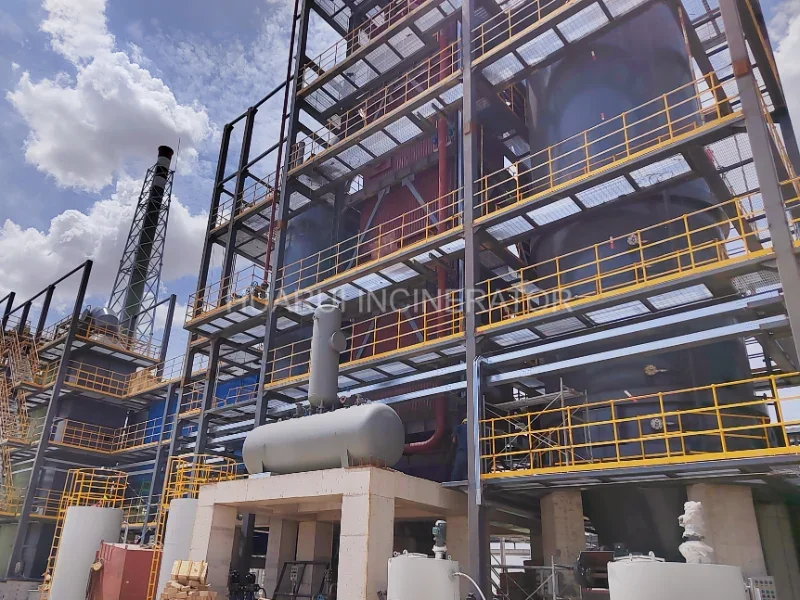
Combustion Stability: Key to Efficient Waste Destruction


Combustion Stability: Key to Efficient Waste Destruction
In modern waste treatment systems, combustion stability is one of the most important factors affecting incinerator efficiency, operating safety, fuel consumption, and emission control. Whether handling municipal solid waste, medical waste, industrial refuse, or hazardous materials, an incinerator must maintain a stable combustion process to ensure complete waste destruction and consistent thermal performance.
For operators and facility managers, unstable combustion can lead to temperature fluctuations, incomplete burning, excessive smoke, equipment damage, and higher maintenance costs. This is why combustion stability has become a central focus in modern incinerator design and operation.
As a professional incineration system manufacturer, Huarui Incinerator develops advanced waste treatment equipment designed to maintain reliable combustion conditions across different waste streams and operating environments.
What Is Combustion Stability in an Incinerator?
Combustion stability refers to the ability of an incinerator to sustain continuous, controlled, and efficient burning conditions during operation. A stable combustion process maintains:
Consistent furnace temperature
Balanced oxygen supply
Uniform waste feeding
Proper residence time
Controlled airflow
Complete burnout of combustible materials
When these factors remain stable, the incinerator can achieve efficient thermal decomposition of waste while minimizing harmful emissions and operational disruptions.
In practical operation, combustion stability is not just about keeping a flame burning. It involves maintaining the correct interaction between waste composition, combustion air, furnace geometry, and heat transfer conditions.
Why Combustion Stability Matters
1. Improves Waste Destruction Efficiency
Stable combustion ensures that waste materials are fully oxidized inside the primary and secondary combustion chambers. This leads to:
Higher destruction efficiency
Reduced unburned residue
Lower ash carbon content
Better volume reduction
Incomplete combustion often leaves partially burned materials, which increases disposal challenges and reduces incinerator performance.
2. Reduces Harmful Emissions
One of the biggest operational concerns in waste incineration is emission control. Temperature instability can increase the formation of:
Carbon monoxide (CO)
Dioxins and furans
Volatile organic compounds (VOCs)
Smoke and particulate matter
Stable high-temperature combustion helps destroy toxic gases before they exit the system. Proper secondary combustion chamber design is especially important for maintaining adequate gas residence time and oxidation conditions.
3. Protects Incinerator Components
Frequent temperature fluctuations can place severe thermal stress on:
Refractory linings
Burner systems
Combustion chambers
Steel structures
Air supply systems
Stable combustion minimizes rapid expansion and contraction cycles that often lead to cracking, warping, and premature equipment failure.
4. Improves Fuel Efficiency
Auxiliary fuel consumption increases significantly when combustion becomes unstable. Operators may need to use additional diesel, gas, or oil burners to restore furnace temperature.
A well-designed combustion system can sustain self-combustion after startup for many waste types, reducing fuel costs and improving energy efficiency.
Main Factors Affecting Combustion Stability
Waste Composition
Waste characteristics directly influence combustion behavior. Key variables include:
Moisture content
Calorific value
Particle size
Chemical composition
Ash percentage
For example, wet waste absorbs heat during evaporation, reducing furnace temperature and destabilizing combustion. High-plastic-content waste may burn too rapidly, creating excessive temperature spikes.
A stable incineration system must accommodate fluctuations in waste properties without losing combustion control.
Air Supply Management
Combustion requires a carefully balanced oxygen supply. Too little air leads to incomplete combustion, while excessive air reduces furnace temperature and thermal efficiency.
Modern incinerators typically use:
Primary combustion air
Secondary combustion air
Forced draft systems
Automatic airflow controls
Precise airflow adjustment helps maintain a stable flame structure and complete gas oxidation.
Furnace Temperature Control
Temperature is one of the most critical indicators of combustion stability. Different waste streams require different combustion temperature ranges.
For many waste incineration systems:
Primary chamber temperatures often range from 800°C to 1000°C
Secondary chamber temperatures may exceed 1100°C for hazardous waste treatment
Temperature monitoring systems and automatic burner controls help stabilize combustion during varying operating conditions.
Waste Feeding Consistency
Irregular waste feeding can create sudden temperature changes inside the combustion chamber.
Overfeeding may:
Reduce oxygen availability
Cool the combustion zone
Increase smoke generation
Underfeeding may:
Cause flame instability
Waste fuel
Reduce thermal efficiency
Controlled feeding systems help maintain a balanced combustion load throughout operation.
Technologies That Improve Combustion Stability
Modern incinerator manufacturers use several engineering solutions to improve operational stability.
Multi-Stage Combustion Design
Multi-stage combustion separates waste burning into different thermal zones. This approach allows:
Controlled drying
Gradual pyrolysis
Complete burnout
Better gas oxidation
The use of primary and secondary combustion chambers significantly improves overall combustion efficiency.
Automatic Control Systems
Advanced PLC-based control systems monitor:
Furnace temperature
Oxygen concentration
Pressure conditions
Burner operation
Airflow distribution
Real-time adjustments help maintain stable combustion without constant manual intervention.
High-Quality Refractory Materials
Refractory lining plays an important role in thermal stability. Proper refractory materials:
Retain heat efficiently
Resist thermal shock
Improve combustion temperature consistency
Extend equipment lifespan
Heat retention inside the chamber reduces temperature fluctuation and improves waste burnout performance.
Secondary Combustion Chambers
Secondary chambers provide additional oxidation time for combustible gases. These chambers help:
Eliminate unburned gases
Reduce smoke
Destroy harmful organic compounds
Improve emission quality
A properly designed secondary chamber is essential for stable and environmentally compliant incineration.
Operational Practices for Stable Combustion
Even with advanced equipment, operational practices strongly influence combustion performance.
Pre-Sorting Waste
Removing unsuitable materials before incineration improves stability. Operators should avoid excessive amounts of:
Wet sludge
Metal objects
Non-combustible debris
Sealed containers
Better waste consistency leads to smoother combustion behavior.
Regular Maintenance
Maintenance is critical for preventing combustion instability. Key maintenance areas include:
Burner inspection
Air nozzle cleaning
Refractory repair
Sensor calibration
Fan maintenance
Small airflow or temperature measurement issues can quickly escalate into major combustion problems.
Monitoring Furnace Conditions
Operators should continuously monitor:
Chamber temperatures
Flue gas conditions
Oxygen levels
Flame appearance
Ash quality
Early detection of instability allows corrective action before operational efficiency declines.
Combustion Stability in Medical Waste Incineration
Medical waste presents unique combustion challenges due to its variable composition and potential biohazard content.
Stable combustion is especially important because medical waste may contain:
Plastics
Sharps
Pathological waste
Pharmaceuticals
Moisture-heavy materials
Temperature instability in medical waste incineration can increase toxic emissions and compromise sterilization effectiveness.
Reliable medical waste incinerators often include:
Dual combustion chambers
Automatic feeding systems
High-temperature secondary treatment
Advanced airflow controls
These features help ensure complete destruction of infectious materials while maintaining environmental compliance.
The Role of Incinerator Design
Incinerator design has a direct impact on long-term combustion stability. Poorly designed systems often struggle with:
Uneven airflow
Hot and cold spots
Slag accumulation
Insufficient residence time
Excessive heat loss
A professionally engineered system integrates combustion chamber geometry, burner placement, refractory insulation, and airflow dynamics into a coordinated process.
Companies looking for durable and efficient waste treatment systems often evaluate the engineering quality behind the equipment rather than focusing only on capacity specifications.
For a wide range of waste treatment systems and thermal destruction equipment, operators can explore the product portfolio offered by Huarui Incinerator products.
Future Trends in Combustion Stability Technology
The incineration industry continues to improve combustion management through:
Intelligent automation
AI-assisted combustion control
Real-time gas analysis
Energy recovery integration
Low-emission combustion systems
Future systems are expected to provide more adaptive combustion regulation, especially for mixed and variable waste streams.
Energy-efficient operation and stricter environmental regulations are pushing manufacturers toward more precise combustion engineering solutions.
Conclusion
Combustion stability is the foundation of efficient and environmentally responsible waste incineration. Stable combustion improves waste destruction efficiency, reduces emissions, protects equipment, and lowers operating costs.
Achieving reliable combustion requires the proper combination of:
Advanced incinerator design
Accurate airflow management
Consistent waste feeding
Temperature control
Skilled operation and maintenance
As waste management standards continue to evolve, facilities increasingly depend on stable, high-performance incineration systems to meet operational and environmental requirements.
Professional manufacturers like Huarui Incinerator continue developing advanced incineration technologies that support safer, cleaner, and more reliable waste treatment operations worldwide.
Related news

Contact us