
Clear records
history record

News
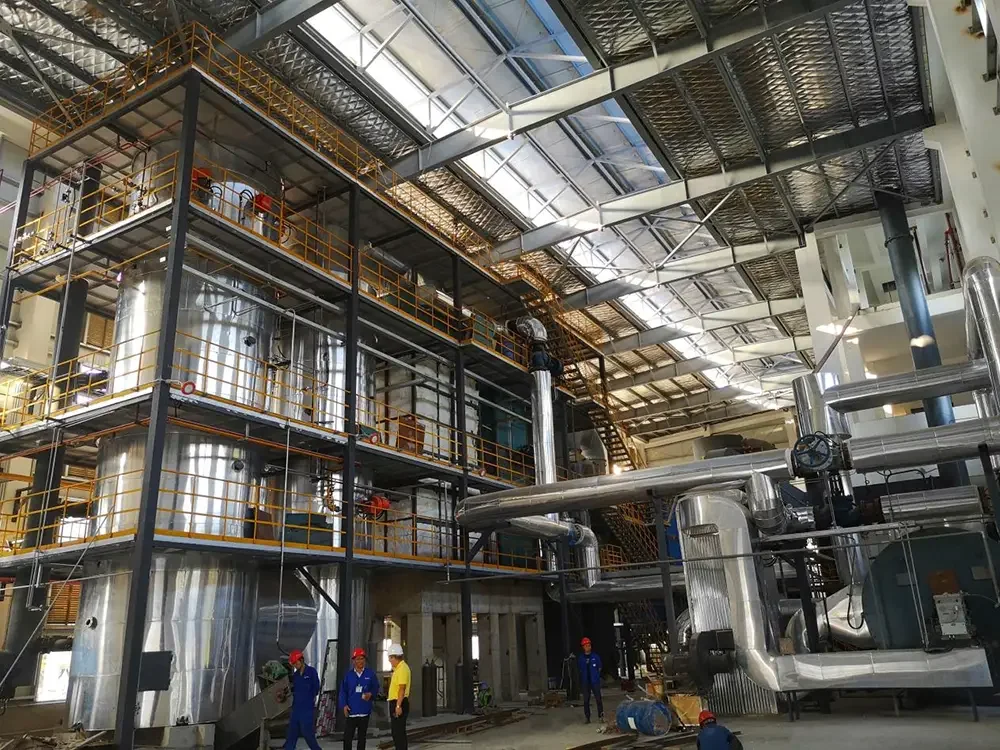
Medical Waste Incineration Standards in Asia & Middle East


The demand for safe disposal of healthcare waste continues to rise across developing and emerging economies. As governments strengthen medical waste incineration standards, hospitals, clinics, and waste management companies must increasingly follow strict medical waste regulations to avoid penalties, shutdowns, or environmental violations. This article provides a 2025-ready overview of how these regulations are evolving in Asia and the Middle East, and what operators need to know to stay compliant.
1. Why Medical Waste Incineration Standards Matter
Across both Asia and the Middle East, healthcare waste is growing faster than ever due to population growth, rising medical care access, and expanding pharmaceutical activity. As a result, countries have tightened medical waste incineration standards to ensure infectious and hazardous materials are treated safely.
Failure to follow medical waste regulations can lead to public health risks, including spread of pathogens, release of toxic gases, or improper handling of sharps and contaminated materials. For this reason, environmental agencies and ministries of health now require strict monitoring of combustion temperatures, residence time, and emission limits.
2. Overview of Standards Across Asian Countries
Asia contains some of the world’s most diverse regulatory frameworks. While some regions follow EU or WHO guidelines, others are still building comprehensive medical waste regulations.
2.1 Southeast Asia (Malaysia, Indonesia, Philippines, Vietnam)
These countries increasingly reference the EU Industrial Emissions Directive and WHO guidelines when developing their medical waste incineration standards.
Typical requirements include:
Primary chamber temperature ≥ 800°C
Secondary chamber temperature ≥ 1,000–1,100°C
Gas residence time ≥ 2 seconds
Dioxin/Furan emissions ≤ 0.1 ng TEQ/Nm³
Under emerging medical waste regulations, facilities must also maintain documented proof of incineration cycles, ash handling procedures, and operator training.
2.2 South Asia (India, Pakistan, Bangladesh)
South Asian countries face high medical waste volumes, which has pushed governments to strengthen medical waste incineration standards, especially in the public health sector.
Key regulatory themes:
India mandates continuous temperature logging.
Pakistan enforces strict segregation rules before incineration.
Bangladesh is shifting towards standardized regional treatment centers.
In all cases, medical waste regulations emphasize proper classification of infectious, pathological, and pharmaceutical waste before incineration.
3. Medical Waste Regulations in the Middle East
Middle Eastern countries enforce some of the strictest medical waste incineration standards, driven by investments in modern healthcare systems and environmental protection.
3.1 GCC Countries (Saudi Arabia, UAE, Qatar, Oman, Kuwait)
GCC nations apply highly advanced medical waste regulations to ensure safe combustion and emission control.
Typical GCC requirements:
Secondary chamber must reach 1,100°C for complete destruction
Waste feeding systems must be enclosed and leak-proof
Continuous Emission Monitoring Systems (CEMS) for large facilities
Mandatory dioxin controls using activated carbon or advanced filtration
Full documentation of waste origin and disposal certificates
Saudi Arabia’s medical waste incineration standards often require additional controls for VOCs and heavy metals, while the UAE focuses heavily on operator certification and real-time monitoring.
3.2 Non-GCC Middle East (Jordan, Egypt, Iraq)
These countries are upgrading their healthcare infrastructure and aligning their medical waste regulations with WHO recommendations.
Common principles include:
Ensuring proper segregation at healthcare facilities
Using rotary kiln or dual-chamber incinerators
Implementing ash disposal procedures that meet national landfill standards
4. Common Technical Requirements Across Both Regions
Despite differences among countries, the following technical criteria appear consistently in medical waste incineration standards throughout Asia and the Middle East:
✔ High-temperature combustion
Chambers must reach temperatures capable of destroying pathogens and organic pollutants.
✔ Secondary chamber burnout
Flue gas must remain at high heat long enough to break down toxic compounds.
✔ Emission controls
Most medical waste regulations require:
Acid gas removal
Particulate filtration
Dioxin & furan suppression
Heavy metal monitoring
✔ Proper waste feeding and handling
Closed or semi-closed feeding systems prevent operator exposure and minimize spills.
✔ Record-keeping and operator training
Facilities must document each batch, temperature readings, and maintenance logs as part of modern medical waste regulations.
5. Challenges Faced by Operators in 2025
Meeting stringent medical waste incineration standards can be challenging. Many hospitals struggle with:
Fluctuating waste composition
Limited budgets for emission control systems
Shortages of trained personnel
High fuel consumption
Lack of maintenance planning
Old equipment unable to meet new medical waste regulations
Because of these issues, many countries now prefer centralized or regional treatment facilities equipped with modern rotary kiln or dual-chamber incinerators.
6. How Facilities Can Stay Compliant
To meet 2025’s tightening medical waste incineration standards, operators should:
Use incinerators with true secondary combustion chambers
Ensure a minimum 2-second residence time at >1,000°C
Install proper air pollution control equipment
Keep complete operational records following national medical waste regulations
Implement segregation rules inside hospitals
Conduct regular equipment inspections and refractory maintenance
Compliance is not only a legal requirement but also a safeguard for public health and environmental sustainability.
7. Conclusion
As Asia and the Middle East continue to develop their healthcare and environmental sectors, medical waste incineration standards have become increasingly strict. Facilities must follow clear medical waste regulations covering everything from temperature control to emission monitoring and ash disposal.
Organizations that invest early in modern, compliant incineration technology—supported by proper training and documentation—will be best positioned to operate safely, legally, and efficiently in 2025 and beyond.
Related news

Contact us