
Clear records
history record

News
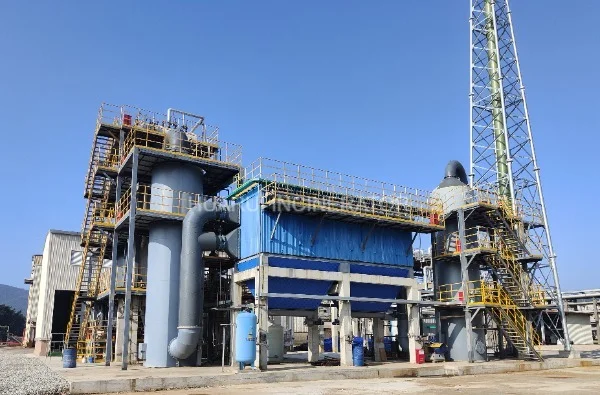
What Is a Rotary Kiln Incinerator and How Does It Actually Work?


In the modern world, managing hazardous and non-hazardous waste efficiently and safely has become a top priority. One technology that continues to stand out in this space is the rotary kiln incinerator. But how does a rotary kiln incinerator work? And why is it such a popular solution among waste management systems worldwide?
In this comprehensive article, brought to you by Huarui Incinerator, a leading manufacturer in waste treatment solutions, we’ll explore the rotary kiln incinerator working mechanism in detail. We’ll also highlight its benefits, applications, and the role it plays in protecting our environment.
Understanding the Basics: What Is a Rotary Kiln Incinerator?
A rotary kiln incinerator is an advanced combustion device used to thermally treat waste materials. It consists of a rotating cylindrical vessel slightly inclined to the horizontal. Waste is fed into the higher end, and as the kiln slowly rotates, the material gradually moves toward the lower end, where combustion occurs.
The rotary kiln incinerator working principle relies on the combination of time, temperature, and turbulence. This triad ensures the complete breakdown of organic and inorganic waste, reducing it to harmless ash, gases, and energy.
Core Components Involved in Rotary Kiln Incinerator Working
To fully grasp how a rotary kiln incinerator works, it's essential to understand the key components that make it function efficiently:
Rotary Kiln Cylinder
This is the heart of the system where waste is incinerated. The slow rotation helps mix and expose waste to heat evenly.Primary Combustion Chamber
This zone handles the initial breakdown of waste. Here, organic materials are thermally decomposed.Secondary Combustion Chamber
Gases from the primary chamber are combusted at higher temperatures to ensure complete thermal oxidation.Air Supply System
To support combustion, controlled air is introduced in both chambers. This plays a crucial role in the rotary kiln incinerator working process.Flue Gas Treatment System
Once combustion is complete, the gases pass through scrubbers, filters, and other pollution control devices to meet environmental standards.
Step-by-Step Guide: How Does the Rotary Kiln Incinerator Work?
Let’s break down the rotary kiln incinerator working process into clear, sequential steps:
1. Waste Feeding and Pre-Processing
Before entering the rotary kiln, waste may undergo pre-treatment to improve combustibility. Huarui Incinerator designs pre-treatment systems to shred, sort, and homogenize waste effectively.
2. Introduction into the Kiln
Waste is then fed into the rotating kiln’s higher end. Due to the kiln's inclination and rotation, the material gradually moves toward the lower end.
3. Thermal Decomposition
Inside the kiln, temperatures typically range from 850°C to 1100°C. Organic compounds in the waste are thermally broken down, a critical part of the rotary kiln incinerator working mechanism.
4. Secondary Combustion
Volatile gases released from the primary chamber enter the secondary combustion chamber. Here, temperatures exceed 1100°C to ensure the destruction of any remaining harmful components.
5. Gas Cleaning and Emission Control
Combustion gases are treated to remove particulates, acid gases, and other pollutants. Huarui Incinerator incorporates cutting-edge air pollution control technology to ensure emissions comply with strict standards.
6. Ash Collection and Disposal
Residual ash, typically less than 10% of the original waste volume, is collected from the bottom. This non-hazardous ash can be landfilled or further processed.
Why Choose a Rotary Kiln Incinerator?
The rotary kiln incinerator working design offers several benefits:
Versatility: Can handle a wide range of waste types—hazardous, medical, chemical, industrial, and municipal.
Efficiency: Complete thermal destruction of harmful compounds.
Durability: Built for long-term operation with minimal maintenance.
Environmental Compliance: Advanced emission control systems reduce environmental impact.
Huarui Incinerator has engineered rotary kiln systems with enhanced combustion efficiency and integrated monitoring tools for optimal performance.
Applications of Rotary Kiln Incinerators
Rotary kiln incinerators are used globally in industries and municipalities to manage complex waste streams. Typical applications include:
Medical Waste Treatment
Hospitals and clinics rely on these systems for the safe disposal of biohazards and pharmaceuticals.Industrial Hazardous Waste
Chemicals, solvents, sludges, and other industrial by-products are incinerated using this reliable method.Municipal Solid Waste
Although less common, some cities use rotary kilns to handle particularly dangerous or bulky municipal waste.Military and Government Use
Secure destruction of classified materials and munitions is another critical use case.
Innovations by Huarui Incinerator in Rotary Kiln Design
At Huarui Incinerator, we believe that technology should evolve alongside environmental needs. Our engineers have introduced several enhancements to improve the rotary kiln incinerator working system:
Automated Feeding Systems for precision waste input.
Real-Time Monitoring of temperature, gas flow, and emissions.
Energy Recovery Units to convert waste heat into usable energy.
Mobile Incinerator Units for remote or temporary deployment.
These advancements ensure safer, cleaner, and more efficient operations, positioning Huarui as a pioneer in thermal waste treatment.
Environmental Impact and Safety
One of the biggest advantages of the rotary kiln incinerator working mechanism is its environmental safety. When properly operated, these systems minimize the release of harmful dioxins, furans, and other pollutants. Emissions monitoring, maintained temperatures, and secondary combustion zones ensure complete waste destruction.
Huarui Incinerator also includes fail-safe systems to automatically shut down operations in case of anomalies—prioritizing both human and environmental safety.
Maintenance and Longevity
A well-maintained rotary kiln incinerator can operate efficiently for over 15 years. Key maintenance aspects include:
Regular Refractory Inspection: High temperatures can erode the kiln lining over time.
Burner Maintenance: Ensures consistent combustion temperatures.
Filter and Scrubber Checks: Maintains emission standards.
Software Updates: For control systems and remote diagnostics.
Huarui offers comprehensive after-sales services to ensure customers enjoy peak system performance throughout the equipment's life.
Final Thoughts: Is a Rotary Kiln Incinerator Right for You?
If you're in need of a robust, scalable, and environmentally responsible solution for waste treatment, understanding the rotary kiln incinerator working process is a great starting point. Whether you’re managing industrial by-products, medical waste, or hazardous chemicals, rotary kilns deliver proven performance.
Huarui Incinerator is proud to be at the forefront of this technology, providing customized solutions that align with both operational goals and environmental responsibilities.
Contact Huarui Incinerator for Tailored Solutions
Want to know more about how rotary kiln incineration can serve your facility’s needs? Contact Huarui Incinerator today for a consultation or site assessment. Our team will guide you through system design, implementation, training, and ongoing support.
Related news

Contact us