
Clear records
history record

News
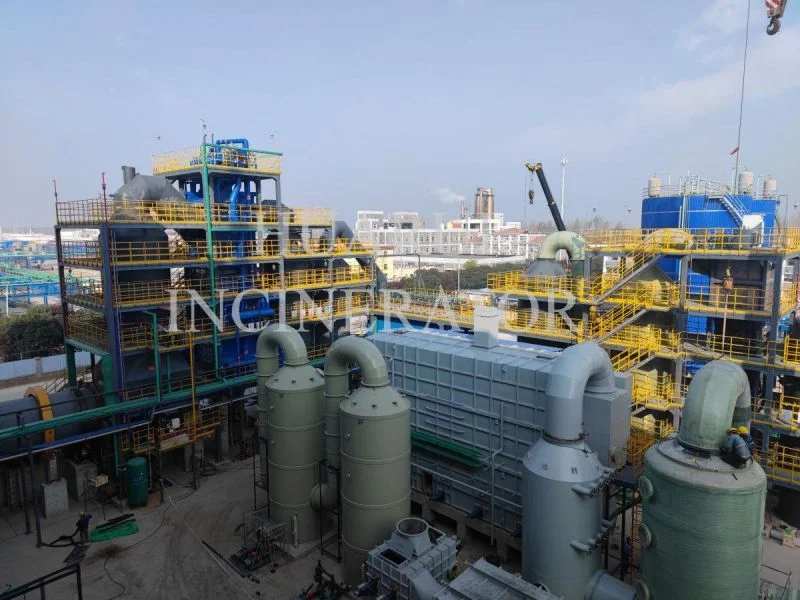
How to Maintain a Rotary Kiln Incinerator


Rotary kiln incinerators are widely used in hazardous waste treatment, medical waste disposal, and industrial solid waste management because of their strong adaptability, high destruction efficiency, and stable operation. However, the performance and service life of a rotary kiln incinerator depend heavily on systematic and disciplined maintenance. Poor maintenance not only increases operating costs but also raises safety risks and downtime frequency.
This article provides a practical, experience-based guide on rotary kiln maintenance, focusing on daily operation, mechanical systems, refractory lining, combustion control, and long-term asset management. The goal is to help operators and plant managers keep equipment running safely, efficiently, and in compliance with environmental regulations.
Understanding the Rotary Kiln Incinerator System
Before discussing maintenance, it is essential to understand the basic structure and operating characteristics of a rotary kiln incinerator.
A typical rotary kiln incinerator consists of:
A rotating cylindrical kiln body
Drive system (motor, gearbox, reducer, and girth gear)
Kiln support system (rollers, bearings, thrust rollers)
Refractory lining and insulation
Primary and secondary combustion chambers
Burner and fuel supply system
Waste feeding system
Ash discharge system
Air supply and flue gas treatment system
Because the kiln operates continuously at high temperatures, with rotation and variable waste loads, wear and thermal stress are unavoidable. Maintenance is therefore not optional—it is a core operational discipline.
For operators seeking deeper technical insight into system design and operation, this resource on the rotary kiln incinerator provides useful background.
Daily and Shift-Based Maintenance Practices
Daily maintenance is the foundation of long-term equipment reliability. Most failures do not occur suddenly; they develop from small, observable abnormalities.
Visual and Operational Checks
Operators should perform visual inspections at the beginning and end of each shift:
Check kiln rotation for smooth and uniform movement
Observe abnormal vibration, noise, or temperature fluctuations
Inspect seals at kiln inlet and outlet for air leakage
Verify that burners ignite cleanly and flame shape is stable
Early detection of abnormal conditions allows corrective action before serious damage occurs.
Lubrication Management
The drive system and support rollers rely on proper lubrication:
Check oil levels and grease points daily
Use lubricants specified by the equipment manufacturer
Monitor oil temperature and contamination
Neglecting lubrication is one of the most common causes of bearing and gearbox failure.
Mechanical System Maintenance
Kiln Drive System
The drive system transmits torque to rotate the kiln body. Key maintenance points include:
Regular inspection of motor alignment
Monitoring gear meshing conditions
Checking for tooth wear or pitting on girth gears and pinions
Tightening foundation bolts and couplings
Any misalignment can accelerate wear and increase power consumption.
Support Rollers and Thrust Rollers
Support rollers carry the kiln’s weight, while thrust rollers prevent axial movement:
Measure roller surface wear periodically
Ensure proper contact between kiln shell and rollers
Adjust thrust rollers to prevent kiln drifting
Uneven roller wear often indicates alignment problems or shell deformation.
Refractory Lining Inspection and Repair
The refractory lining protects the steel shell from high temperatures and chemical attack. Its condition directly affects kiln safety.
Routine Inspection
Refractory should be inspected through observation ports or during planned shutdowns:
Look for cracks, spalling, or localized hot spots
Monitor shell temperature to identify lining thinning
Pay special attention to high-stress zones such as the feed end and burner area
Planned Maintenance and Replacement
Do not wait for refractory failure. Instead:
Establish a refractory inspection schedule
Replace damaged sections during planned outages
Use materials appropriate for waste composition and operating temperature
Proper refractory management significantly reduces unplanned downtime.
Combustion and Burner System Maintenance
Stable combustion ensures efficient waste destruction and protects downstream equipment.
Burner System
Burners should be checked for:
Fuel nozzle cleanliness
Ignition reliability
Flame stability and shape
Control valve responsiveness
Deposits or partial blockages can lead to incomplete combustion or temperature instability.
Air Supply and Draft Control
The balance between primary air, secondary air, and draft is critical:
Inspect fans and dampers regularly
Clean air ducts and filters
Calibrate oxygen and temperature sensors
Incorrect air distribution increases fuel consumption and emissions.
Waste Feeding and Ash Discharge Systems
Feeding System
The feeding system must deliver waste at a consistent rate:
Inspect hydraulic or mechanical feeders for wear
Check seals to prevent air ingress
Ensure interlocks function correctly to avoid overfeeding
Unstable feeding causes temperature swings and refractory stress.
Ash Handling
Ash discharge systems should operate smoothly:
Prevent ash buildup at the kiln outlet
Inspect screw conveyors or discharge valves
Clean regularly to avoid blockages
Ash accumulation can interfere with kiln rotation and thermal balance.
Instrumentation and Control System Maintenance
Modern rotary kiln incinerators rely heavily on automation:
Calibrate temperature, pressure, and oxygen sensors
Check PLC and control panel connections
Test alarm and interlock functions
Reliable instrumentation allows operators to respond quickly to abnormal conditions and maintain regulatory compliance.
Planned Shutdowns and Overhaul Strategy
Effective maintenance includes scheduled shutdowns for deeper inspection:
Inspect kiln shell ovality and deformation
Check alignment of rollers and drive components
Perform non-destructive testing on critical welds
Review historical operation data to identify recurring issues
A well-planned overhaul reduces lifecycle costs and improves system availability.
Maintenance Documentation and Team Training
Maintenance is not only technical—it is organizational.
Documentation
Maintain accurate records of:
Inspections and repairs
Spare parts usage
Operating parameters and deviations
These records support predictive maintenance and continuous improvement.
Operator Training
Well-trained operators are the first line of defense:
Train staff to recognize early warning signs
Encourage standardized inspection routines
Promote a culture of preventive maintenance rather than reactive repair
Conclusion
Maintaining a rotary kiln incinerator requires discipline, technical understanding, and consistent execution. From daily inspections to long-term refractory management, every maintenance activity contributes to system reliability, safety, and environmental performance.
A well-maintained rotary kiln incinerator not only operates more efficiently but also delivers predictable performance over its entire service life. By implementing structured rotary kiln maintenance practices, operators can significantly reduce unplanned downtime and extend equipment longevity.
Related news

Contact us