
Clear records
history record

News
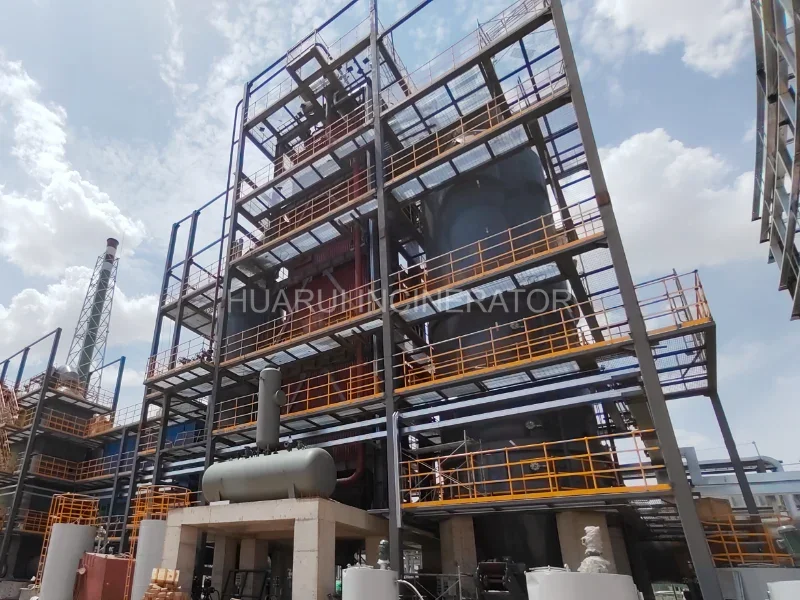
How to Pass Environmental Acceptance for Incinerator Projects


Environmental acceptance is one of the most critical milestones for any incinerator project. Whether the project is designed for municipal solid waste, medical waste, or industrial waste treatment, passing the Environmental Impact Assessment (EIA) and subsequent acceptance inspections determines whether the facility can be legally commissioned and operated. For project owners, EPC contractors, and operators, understanding how to approach incinerator EIA compliance from the early planning stage through final acceptance can significantly reduce risks, delays, and costs.
Based on practical engineering experience and current regulatory expectations, this article explains how to pass environmental acceptance for incinerator projects in a realistic, step-by-step manner.
Understanding the Role of Incinerator EIA
The incinerator EIA is not a formality. It is a systematic evaluation of how the project will affect air quality, water resources, soil, noise environment, and surrounding communities. Environmental authorities use the EIA to determine whether the project design, location, and pollution control measures meet national and local standards.
For incinerator projects, regulators focus especially on flue gas emissions, dioxins, fly ash disposal, wastewater treatment, and odor control. If these aspects are not addressed clearly and quantitatively in the EIA, approval and later acceptance become extremely difficult.
From the start, the EIA should be treated as a technical foundation for the entire project, not just a document prepared to satisfy approval requirements.
Site Selection and Early Compliance Planning
One of the most common reasons incinerator projects struggle with environmental acceptance is poor site selection. Even with advanced equipment, an incinerator located too close to residential areas, schools, or sensitive ecological zones will face higher scrutiny and stronger public opposition.
During the early planning phase, developers should confirm that the proposed site complies with zoning regulations, minimum buffer distances, and local development plans. Environmental authorities often check whether alternative sites were considered and why the selected location was chosen.
At this stage, it is also essential to align project capacity with regional waste generation data. Overdesigned incinerators may raise concerns about waste sourcing and long-term operational sustainability, which can negatively affect incinerator EIA approval.
Process Design Must Match EIA Commitments
A key principle of environmental acceptance is consistency. The actual construction and installed equipment must match what was promised in the EIA report. Any deviation, even if technically superior, may require supplementary approval.
For incinerator projects, this means that the selected incineration technology, combustion temperature, residence time, and flue gas treatment system must be clearly defined in the EIA and strictly implemented during construction.
For example, if the EIA specifies a moving grate incinerator combined with a complete flue gas cleaning system including semi-dry scrubber, activated carbon injection, and baghouse filter, the acceptance inspection will verify each component. Missing or downgraded systems are a common reason for failure.
Choosing a mature, well-documented incinerator solution from an experienced manufacturer greatly reduces these risks. Many project developers refer to proven incineration system configurations such as those outlined on the incinerator product solutions page at
https://www.hrincinerator.com/product, where standard-compliant designs are aligned with environmental approval requirements.
Flue Gas Emissions Control Is the Core Focus
Among all technical aspects, flue gas emissions control carries the most weight in incinerator EIA acceptance. Environmental inspectors focus on both design parameters and actual operational data.
To pass acceptance, the incinerator must demonstrate stable combustion, complete burnout of waste, and effective removal of pollutants such as particulate matter, SO₂, NOₓ, HCl, heavy metals, and dioxins. Continuous emission monitoring systems (CEMS) are typically mandatory and must be calibrated and validated before acceptance.
It is not enough to install emission control equipment. Operators must also prepare detailed operation and maintenance procedures, including reagent dosing strategies, startup and shutdown protocols, and emergency response plans. During acceptance testing, authorities may require continuous operation under full load to verify emission stability.
Fly Ash and Residue Management
Fly ash from incinerator projects is classified as hazardous waste in many jurisdictions. Improper handling or storage of fly ash is a frequent reason for acceptance rejection.
The EIA should clearly define fly ash collection, stabilization, temporary storage, and final disposal routes. During acceptance, inspectors will check whether fly ash is solidified as designed, whether storage facilities are sealed and labeled, and whether transfer records are complete.
Bottom ash management also requires attention. Even if classified as non-hazardous after testing, bottom ash reuse or disposal must follow approved procedures. Any discrepancy between EIA commitments and on-site practice can lead to rectification orders.
Wastewater and Odor Control Measures
Although incinerator projects focus on solid waste, wastewater and odor issues are often overlooked during acceptance preparation. Typical wastewater sources include leachate, equipment washing water, and floor drainage.
To pass environmental acceptance, wastewater treatment systems must be operational, monitored, and compliant with discharge standards or recycling requirements. Many projects choose zero-liquid-discharge designs, which must be proven in practice during acceptance.
Odor control is another sensitive issue, especially during waste unloading and storage. Negative pressure waste pits, sealed workshops, and controlled air intake to the furnace should be demonstrated during site inspections. Environmental authorities may conduct on-site odor checks at plant boundaries.
Noise and Community Impact Considerations
Noise compliance is usually verified during acceptance testing. Fans, crushers, and auxiliary equipment must meet boundary noise standards defined in the EIA. Noise insulation and equipment enclosures should be completed before acceptance inspections.
Equally important is community communication. While not always written into the acceptance checklist, public complaints can trigger additional inspections or delays. Projects that establish transparent communication mechanisms and complaint handling procedures tend to pass acceptance more smoothly.
Documentation and Acceptance Preparation
Passing environmental acceptance is not only about equipment and emissions; it is also about documentation. Authorities will review construction records, equipment certificates, monitoring data, operation manuals, and staff training records.
Before applying for acceptance, project teams should conduct internal audits against EIA commitments. Any nonconformity should be corrected in advance. Relying on last-minute fixes often leads to repeated inspections and prolonged commissioning delays.
Conclusion
Passing environmental acceptance for incinerator projects requires a combination of compliant design, disciplined construction, stable operation, and thorough documentation. The incinerator EIA should be treated as a binding technical contract rather than a procedural hurdle.
By selecting appropriate technology, implementing robust emission control systems, and strictly following EIA commitments throughout the project lifecycle, incinerator developers can significantly improve their chances of successful environmental acceptance and long-term operational stability.
Related news

Contact us