

News
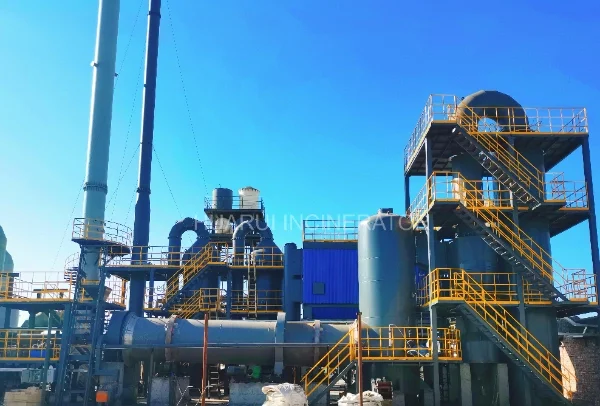
Which medical waste can be incinerated using medical waste rotary kiln incinerator?


Medical waste is a growing concern in today's world, with an increasing number of medical facilities generating tons of hazardous waste every day. To safely dispose of this waste, medical professionals turn to specialized equipment such as the medical waste rotary kiln incinerator. In this blog post, we'll dive into what exactly this incinerator can do and explore the types of medical waste that can be safely eliminated using it. So buckle up and get ready to learn more about how modern technology is helping us tackle one of humanity's biggest challenges!
What is medical waste?
Medical waste refers to refuse that is generated by healthcare facilities, including hospitals, clinics, dental offices and veterinary clinics. The waste is often contaminated with biological or chemical agents that can be harmful to human health if improperly handled.
There are several categories of medical waste. These include infectious and pathological waste such as discarded tissues and organs; sharps like needles and scalpels; pharmaceuticals such as expired medications and chemotherapy drugs; radioactive materials from radiology procedures, among others.
Because medical waste poses a risk to both public health and the environment, it must be disposed of safely in accordance with local regulations. This may involve incineration using specialized equipment like the rotary kiln incinerator. By properly disposing of medical waste through these methods we can protect our communities from harm while also preserving our planet for future generations.
What are the different types of medical waste?
Medical waste is a term that encompasses various types of waste generated from healthcare facilities, research institutions, and laboratories. It includes anything from needles to surgical instruments and even chemicals used in certain medical procedures.
There are several categories of medical waste, including infectious waste, pathological waste, sharps waste, pharmaceutical waste, chemical or hazardous wastes. Infectious wastes include materials contaminated with blood or other bodily fluids like swabs or bandages. Pathological wastes refer to body parts or tissues removed during surgeries. Sharps wastes consist of sharp objects such as needles and scalpels that can puncture the skin.
Pharmaceuticals can also be considered hazardous if they are not disposed of properly by following regulations set forth by the Environmental Protection Agency (EPA). Chemical/hazardous wastes include products containing mercury or lead-based chemicals commonly found in laboratory settings.
It's important to properly identify and dispose of each type of medical waste according to regulations put in place for safety reasons. Failure to do so may result in environmental contamination and potential health risks for individuals handling the materials later on down the line.
How does a medical waste rotary kiln incineratorwork?
A medical waste rotary kiln incinerator is a specialized device that is used to dispose of various types of medical waste. The process involves heating the waste to extremely high temperatures in order to completely destroy it.
The incineration process begins by loading the medical waste into the rotary kiln, which is a large cylinder that rotates slowly on its axis. As the waste moves through the kiln, it is exposed to high temperatures from multiple burners along its length.
The intense heat causes the organic material in the medical waste to break down and turn into ash. Any remaining non-organic materials are melted down and turned into liquid slag, which can be safely disposed of once cooled.
During this entire process, emissions are carefully monitored and controlled in order to minimize any potential impact on air quality or public health.
A medical waste rotary kiln incinerator offers an efficient and effective means of disposing of various types of hazardous medical wastes while also ensuring environmental safety and protection for people around them.
What are the benefits of using a medical waste rotary kiln incinerator?
When it comes to the proper disposal of medical waste, a rotary kiln incinerator is a popular choice for many healthcare facilities. Not only does it provide a safe and efficient way to dispose of potentially hazardous materials, but there are also numerous benefits associated with using this type of incinerator.
One major benefit is that rotary kiln incinerators can handle a wide variety of medical waste types, including infectious materials, sharps, pharmaceuticals, and more. This versatility means that healthcare facilities can streamline their waste management processes by consolidating different types of waste into one disposal method.
Another advantage is the high-temperature combustion process used in these incinerators. The intense heat generated by the rotary kiln ensures complete destruction of any harmful pathogens or chemicals present in the waste stream. Additionally, this process produces minimal emissions compared to other methods such as landfilling or autoclaving.
Moreover, using a medical waste rotary kiln incinerator not only reduces potential health risks from improperly handled and disposed-of medical wastes but also decreases environmental impacts due to less transport through communities with possible exposure risks.
Utilizing a medical waste rotary kiln incinerator offers numerous benefits for healthcare facilities looking for effective and environmentally responsible ways to manage their medical wastes.
What types of medical waste can be incinerated using a rotary kiln incinerator?
A medical waste rotary kiln incinerator is a highly efficient and reliable method of disposing of various types of healthcare waste. This type of incinerator can effectively handle many different types of medical wastes, including pathological waste, sharps, pharmaceuticals, laboratory wastes, and general healthcare refuse.
Pathological waste includes human or animal tissues that may contain infectious agents. Sharps are any objects that can puncture or penetrate the skin such as needles or scalpels. Pharmaceutical wastes include unused medications and expired drugs which need to be disposed of safely so they don't cause environmental harm.
Laboratory wastes could be chemical substances such as formaldehyde used for preservation in histopathology labs while general healthcare refuse consists mainly of materials like gloves, masks and bandages from hospital wards.
The rotary kiln incineration process destroys all potentially hazardous material leaving behind only ash which needs safe disposal. The high temperature destruction ensures complete sterilization making it a preferred treatment option for most hospitals around the world.
Conclusion
To sum up, medical waste is a hazardous material that needs to be disposed of in an appropriate manner. Medical waste rotary kiln incinerators are highly efficient systems that can dispose of multiple types of medical waste quickly and safely.
The benefits of using a medical waste rotary kiln incinerator include reducing the volume and weight of waste, eliminating harmful pathogens and pollutants, complying with environmental regulations, and ensuring public safety.
It's important to note that not all types of medical waste can be incinerated using a rotary kiln incinerator. Sharps, pharmaceuticals, radioactive materials, and chemical wastes require specialized disposal methods.
If you're looking for an effective way to dispose of medical waste while minimizing its impact on the environment and public health, consider investing in a medical waste rotary kiln incinerator. With proper installation and maintenance practices in place, your facility can enjoy the many benefits these innovative systems have to offer.
Recommended reading
Rotary kiln incinerator medical waste centralized disposal project
How to choose the right mobile small medical waste incinerator for your needs
Innovative Technology: Pyrolysis Gasifier Medical Waste Disposal Center
How does Pyrolysis Gasifier Medical Waste Disposal Center work?
The Role of Medical Waste Incinerators in Reducing the Spread of Infectious Diseases
The benefits of using medical waste incinerators
What is the working principle of medical waste rotary kiln incinerator?
How to use medical waste rotary kiln incinerator?
How to choose a medical waste rotary kiln incinerator manufacturer?
How to incinerate medical waste? Best choice: medical waste rotary kiln incinerator
Related news

Contact us