
Clear records
history record

News
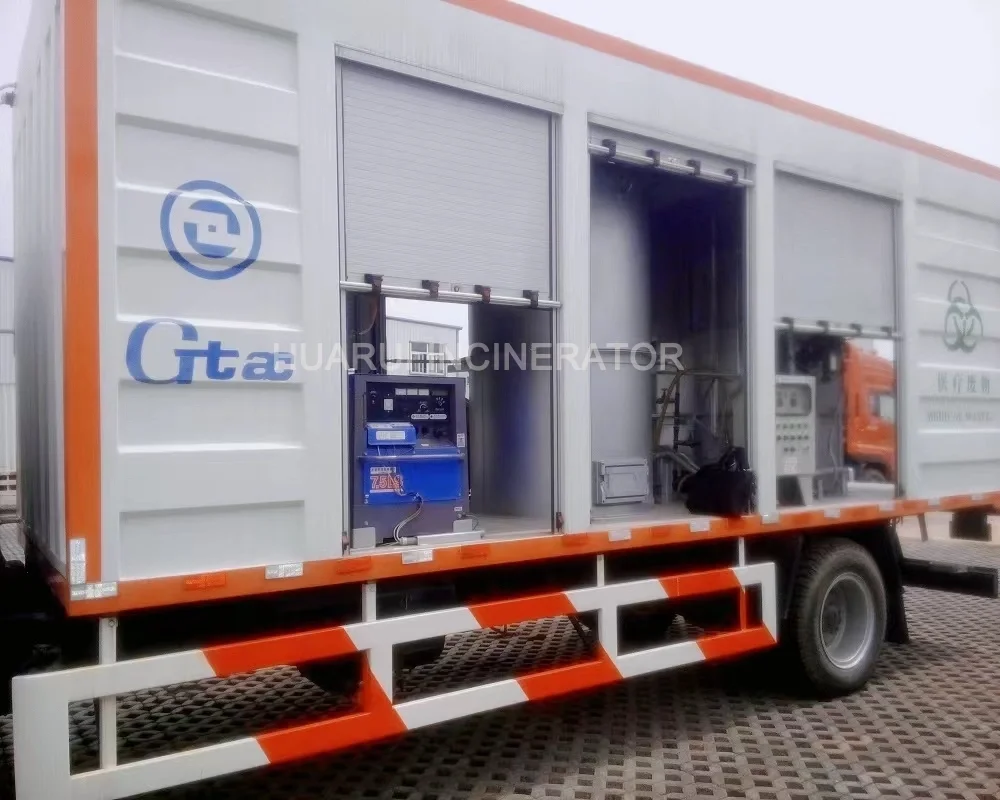
Mobile Incinerators in Disaster Relief Operations


Natural disasters, armed conflicts, and public health emergencies often overwhelm local infrastructure within hours. Hospitals are damaged, sanitation systems collapse, and large volumes of medical and hazardous waste are generated in a very short time. In these conditions, improper waste handling can quickly turn a humanitarian crisis into a secondary environmental and health disaster. This is where the emergency incinerator, particularly in a mobile configuration, becomes a critical tool in disaster relief operations.
Mobile incinerators are designed to be rapidly deployed, easy to operate, and capable of safely destroying infectious and hazardous waste at or near the point of generation. Their role is not theoretical; they have been widely used in earthquake zones, flood-affected regions, refugee camps, and temporary field hospitals around the world.
Waste Management Challenges in Disaster Scenarios
Disaster relief environments present unique waste management challenges that differ significantly from normal municipal or hospital operations.
First, waste volumes increase sharply. Temporary medical facilities generate large amounts of contaminated materials such as dressings, syringes, PPE, pathological waste, and pharmaceuticals. Second, existing waste treatment facilities are often damaged or inaccessible due to road closures or power outages. Third, time is critical. Waste cannot be stockpiled safely in hot, crowded environments without increasing the risk of infection, odor, pests, and groundwater contamination.
Traditional solutions such as transporting waste to centralized treatment plants are often impractical. This makes on-site or near-site treatment using a mobile emergency incinerator a practical and often necessary option.
What Is a Mobile Emergency Incinerator?
A mobile emergency incinerator is a compact waste incineration system mounted on a skid, trailer, or containerized platform. It integrates the combustion chamber, auxiliary burner, control system, and basic flue gas treatment into a single transportable unit.
Unlike permanent incineration plants, mobile systems prioritize speed of deployment, operational simplicity, and robustness. They are typically diesel- or gas-fired and can operate with limited infrastructure support. Some models are designed specifically for medical waste, while others can handle a broader range of hazardous or animal waste generated during emergencies.
For disaster relief teams, the key advantage is that the incinerator can be transported directly to the affected area and commissioned in a short time, sometimes within the same day.
Role of Mobile Incinerators in Disaster Relief Operations
Rapid Infection Control
One of the most immediate risks after disasters is the spread of infectious diseases. Improper disposal of medical waste can expose healthcare workers, volunteers, and local residents to pathogens. By using an emergency incinerator on-site, infectious waste is destroyed at high temperatures, significantly reducing biological risk.
High-temperature combustion ensures the complete destruction of bacteria, viruses, and other harmful microorganisms. This is particularly important in temporary hospitals, vaccination centers, and quarantine zones.
On-Site Waste Reduction
Mobile incinerators dramatically reduce the volume and mass of waste. Incineration can reduce waste volume by up to 90%, converting contaminated materials into inert ash. This reduces the need for storage space and minimizes secondary handling, which is often unsafe in disaster environments.
The ash produced is far easier to manage and can be disposed of safely according to local regulations or emergency guidelines.
Independence from Local Infrastructure
Disasters often disrupt electricity, water, and fuel supply. Mobile incinerators are typically designed to operate with minimal utility requirements. Many systems are equipped with independent burners, generators, and simple control panels, allowing operation even in remote or severely damaged areas.
This independence is essential in early disaster response phases when infrastructure restoration has not yet begun.
Typical Applications in Emergency Scenarios
Mobile emergency incinerators are used across a wide range of disaster relief applications:
Field hospitals and temporary clinics treating trauma patients
Epidemic and pandemic response, including isolation centers
Refugee and displacement camps with limited sanitation facilities
Animal disease outbreaks, where carcass disposal is critical
Post-flood and post-earthquake cleanup, involving contaminated materials
In each of these scenarios, the ability to treat waste locally reduces logistical complexity and improves overall safety.
Key Design Features for Disaster Relief Use
Not all incinerators are suitable for emergency deployment. Systems used in disaster relief share several important design characteristics.
Compact and Transportable Structure
Mobile incinerators are typically designed to fit within standard containers or trailers. This allows them to be transported by truck, ship, or even aircraft, depending on size. Quick installation and minimal civil works are essential features.
Simple Operation and Maintenance
In emergency settings, highly specialized operators may not be available. An effective emergency incinerator must be easy to operate, with intuitive controls and minimal routine maintenance. Manual or semi-automatic loading systems are common to reduce complexity.
Reliable Combustion Performance
Consistent combustion temperature is essential for safe waste destruction. Even under fluctuating waste composition, the incinerator must maintain stable operation to ensure complete burnout and minimal emissions.
Basic Flue Gas Treatment
While emergency systems are not as complex as permanent plants, they still require basic air pollution control measures. Secondary combustion chambers, simple scrubbers, or refractory-lined designs help reduce visible smoke and odor, which is important in densely populated relief areas.
Mobile Medical Waste Incinerators in Practice
A practical example of mobile incineration technology for emergency use is the containerized or skid-mounted medical waste incinerator. These systems are specifically designed to handle infectious and sharps waste generated by healthcare activities.
For reference, a detailed example of this type of solution can be found in the mobile small medical waste incinerator, which illustrates how compact design, rapid deployment, and medical waste-specific features can be integrated into a single unit suitable for disaster relief operations.
Such systems are commonly deployed alongside humanitarian medical teams and can operate continuously throughout the emergency response phase.
Regulatory and Environmental Considerations
Even in emergency situations, waste treatment must follow basic environmental and health principles. International organizations and local authorities often issue temporary guidelines for emergency waste management, including incineration practices.
Mobile emergency incinerators used in disaster relief are generally designed to meet these baseline requirements, focusing on safe destruction rather than long-term emissions optimization. Proper operator training, correct waste segregation, and controlled ash disposal remain essential to minimize environmental impact.
Limitations and Practical Considerations
While mobile incinerators offer clear advantages, they are not a universal solution.
Their throughput is limited compared to large stationary plants, making them best suited for localized waste streams rather than city-wide waste treatment. Fuel availability can also be a constraint in prolonged emergencies. Additionally, community acceptance must be managed carefully, especially when operating near residential areas.
These limitations highlight the importance of integrating mobile incinerators into a broader disaster waste management strategy rather than relying on them as the sole solution.
Conclusion
In disaster relief operations, time, safety, and practicality are paramount. Mobile emergency incinerators provide a proven, field-tested solution for managing hazardous and medical waste when conventional infrastructure is unavailable or damaged.
By enabling on-site waste destruction, reducing infection risks, and operating independently of local utilities, mobile incinerators play a critical role in protecting both public health and the environment during emergencies. As disasters become more frequent and complex, the importance of reliable, deployable waste treatment technologies will continue to grow.
Related news

Contact us